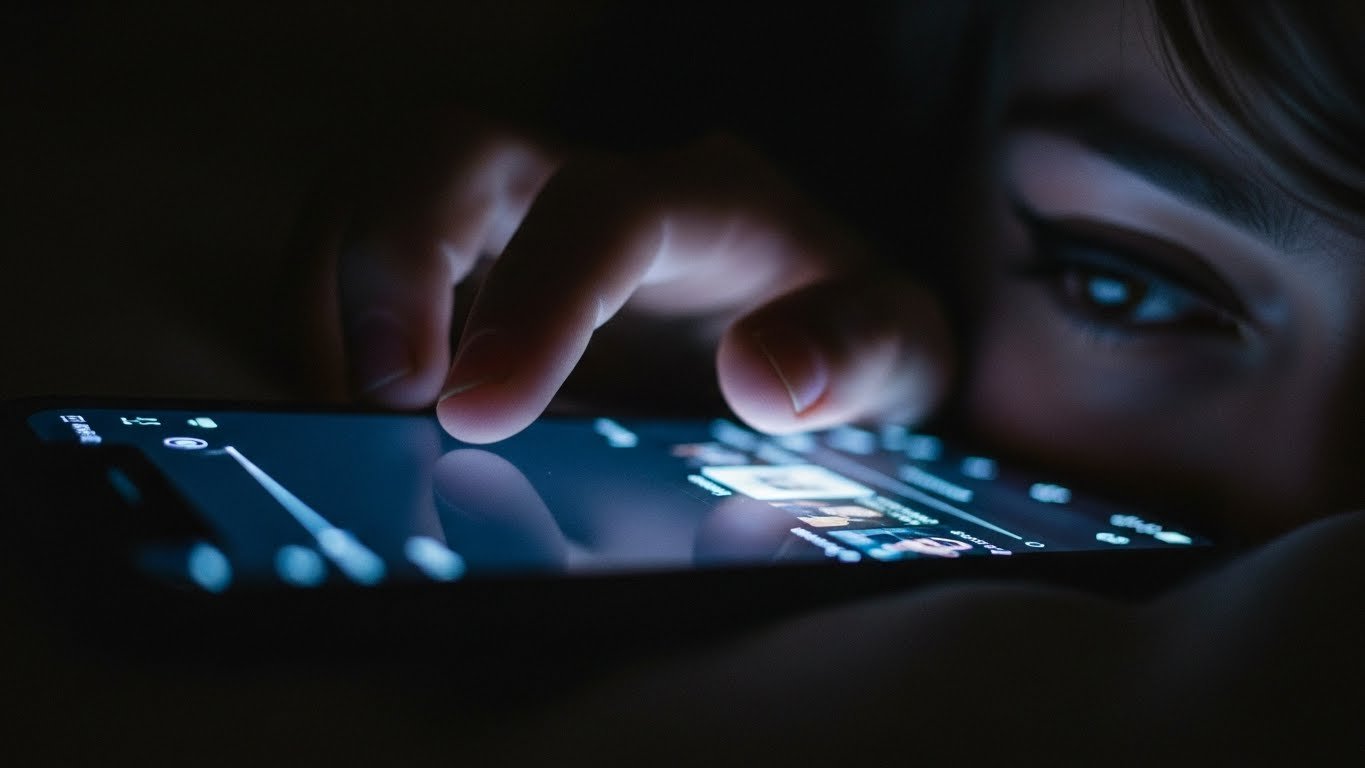
Picture it: midnight, screen glare in your face like a cheap interrogation lamp. Thumb twitching. Swipe. Swipe. Swipe. A chorus hits at second eight because it has to. The beat drops at second eleven because the feed demands a little dopamine tax before you’re allowed to breathe. You’re not listening—you’re auditioning. Every song is a 12-second proof of relevance, and if it doesn’t grab you fast enough, it gets clickbaitgutted into oblivion. “Next.” Like the music is begging for your attention with a collar around its neck and a timer strapped to its chest.
And here’s the central accusation—yeah, I said accusation, because this isn’t a gentle discussion over oat milk: we’re not discovering music anymore. We’re renting identity from feeds and playlists. You don’t “find” a band; you lease a vibe. You don’t fall in love with an album; you borrow a chorus for a week, then trade it in when the algorithm gets bored of you. Playlist culture vs albums isn’t just a format war—it’s a personality war. Albums ask you to stay. Feeds train you to flee.
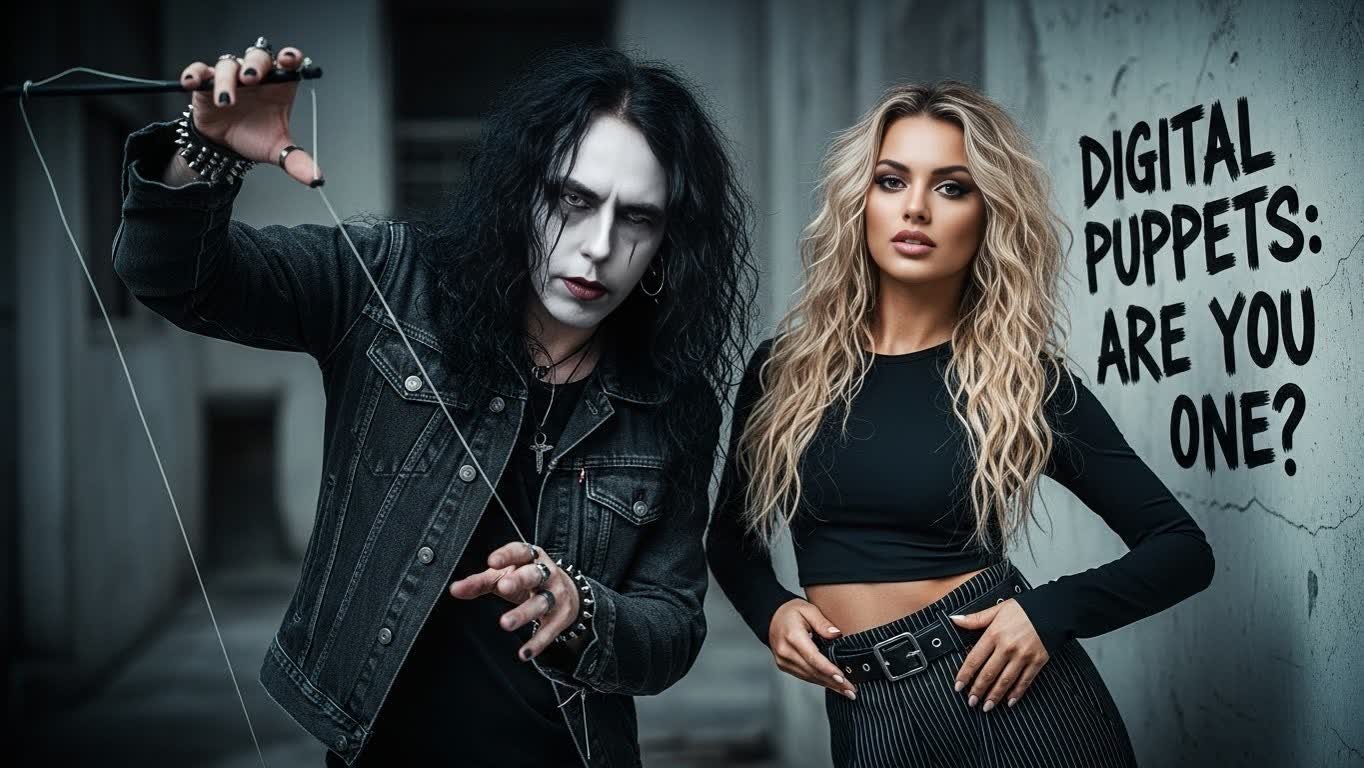
The villains aren’t wearing capes. They’re wearing metrics. Content-parasites suck trends dry and call it “strategy.” Comment-corpses pile up under every clip—dead-eyed engagement that says nothing, means nothing, but still counts as “community.” And the rest of us? We’re Tindernailed to the algorithm, endlessly auditioning for a machine that never claps, never loves, never remembers—only ranks. It’s not “algorithmic music discovery.” It’s algorithmic obedience with a soundtrack.
Because the algorithm doesn’t just recommend; it disciplines. It rewards mimicry, punishes patience, and turns conviction into a performance optimized for retention. It teaches creators to write like they’re begging for parole: hook faster, simplify more, repeat harder, don’t scare the normies. It teaches listeners to treat taste like a disposable skin—change it daily, wear it publicly, and pray you don’t get normiefucked by yesterday’s trend.
So here’s the promise: we’re going to walk through how the machine trains creators, how it trains listeners, and why both end up in the same cage—dancing for reach, starving for meaning, and calling it “choice” while the feed holds the leash.
Content-Parasites: When Music Becomes Feed-Fodder
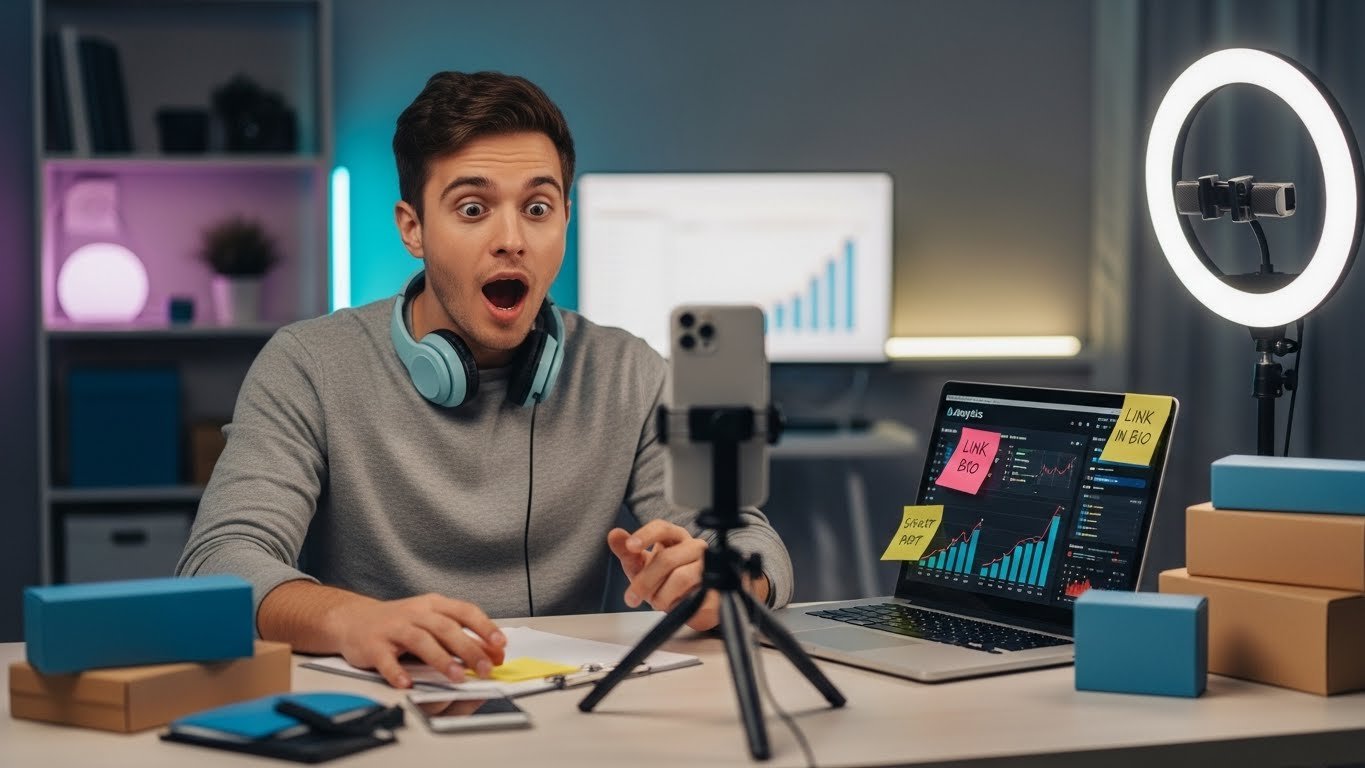
Let’s define the creature properly: a content-parasite isn’t a fan, isn’t a critic, isn’t even a curator. It’s an account—often a micro-influencer—who doesn’t love music, they love reach. Music is just the host body they latch onto: a vein to suck for clout, affiliate links, “link in bio,” and a weekly identity costume change. They don’t listen. They harvest. They’re not here for the song, they’re here for what the song can do to their numbers. And the funniest part? They’ll call it “supporting artists” while doing fellatiobaptized PR for whatever the platform is pushing this week.
The clickbait pipeline is almost a religion now: snippet → reaction face (open-mouth like they saw God) → caption bait (“WAIT FOR THE DROP 😳”) → “link in bio” → disposable hype cycle. Then they move on and leave the track behind like a used napkin. That’s not algorithmic music discovery; that’s algorithmic grave-robbing. And the audience? Hashtaglobotomized into thinking the reaction is the content, not the music.
So artists adapt, because starvation is persuasive. Songs get engineered to be harvested: front-loaded hooks, meme-ready lyrics, predictable drops, and the “first 5 seconds” becomes the new chorus. Intros? Bridges? Slow emotional build? That’s “bad retention,” which is a polite way of saying the feed doesn’t get instantly horny. Attention economy and music turns into a slot machine: pull lever, get dopamine, next. Playlist culture vs albums becomes the default because albums require patience, and patience doesn’t trend.
And then comes the trend tax: “Make a sped-up edit.” “Now a slowed + reverb version.” “Now a platform-specific cut with a different intro.” “Now explain the song in a caption so nobody has to feel it.” Creators optimizing for algorithms becomes the job description, and the art becomes the unpaid intern. You’re paying rent with your own identity—identity rent through music—until you don’t even know if you wrote the track or the track wrote your marketing plan.
Here’s the angle of attack, sharp and simple: parasitism isn’t fandom; it’s extraction—music is mined, not heard. In a parasite ecosystem, the loudest “curator” wins, not the best song. The feed crowns the cringelectual with the biggest megaphone, while the real artists get clickbaitgutted and told to smile for the thumbnail.
algorithm slavery in music
Comment-Corpses: Engagement That Sounds Like a Funeral
“Comment-corpses” are what happens when a comment section looks alive but smells like embalming fluid. Repetitive, performative, copy-pasted reactions that mimic community while containing zero listening. It’s the digital version of clapping because everyone else is clapping—except the claps are auto-generated by your social survival instinct and a dopamine slot machine. A comment-corpse doesn’t respond to the song. It responds to the idea of being seen near the song. That’s why it’s so perfect for algorithm slavery in music: it’s “engagement” without consciousness.
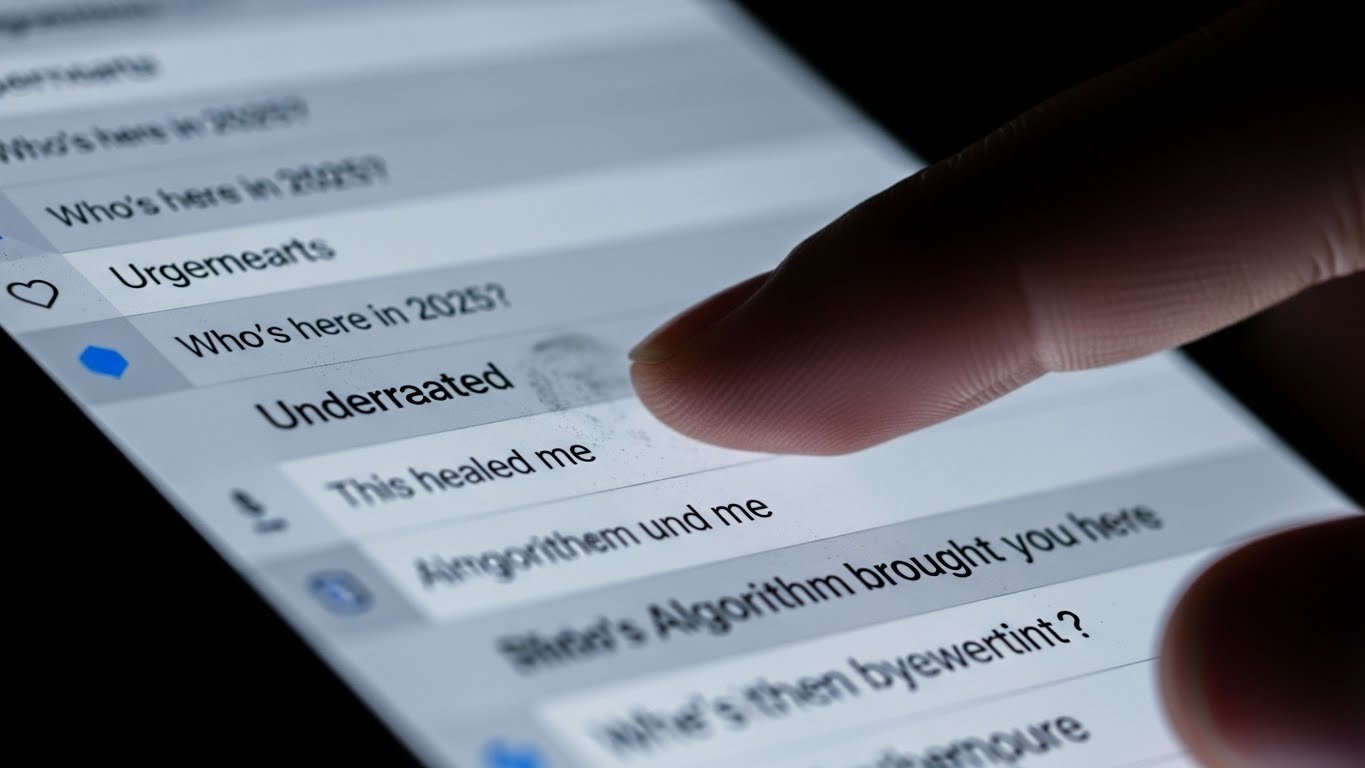
Let’s dissect the body. The anatomy of dead engagement is always the same organs, swapped between platforms like a cursed transplant:
- “Who’s here in 2025?” — roll call for people who want to be counted, not moved.
- “This healed me” — a vague emotional slogan that says nothing about what actually happened in the track.
- “Underrated” — the laziest compliment on earth. It’s praise with no risk, no detail, no spine.
- “Algorithm brought me here” — confession of algorithmic music discovery as religion. Amen, autoplay.
Platforms love comment-corpses because they’re cheap signals. They inflate relevance, keep users typing, and feed ranking models with frictionless noise. It’s the perfect loop: the system doesn’t need you to understand the music, it just needs you to react in ways the model can count. Your fingers become little insta-slave legs running a treadmill for someone else’s metrics. And the worse the conversation gets, the better it performs—because “music engagement bait comments” are predictable, and predictable is profitable.
Then the comment section turns into an identity theater. People don’t show up to share insight; they announce taste to be seen standing next to it. “I listen to THIS.” “I’m the kind of person who feels THIS.” It’s playlist culture vs albums in comment form: fast affiliation, zero commitment. Critique gets replaced by cosplay. Instead of “the melody resolves into a minor lift on the pre-chorus” or “that groove sits behind the beat like it’s dragging its boots through ash,” you get generic emotional bumper stickers. It’s coffin-candy: sweet, empty, and designed to photograph well.
And here’s the ugly truth: this is music as identity-rent. Listeners pay with attention and conformity to borrow an identity for a day. Social proof does the rest. Fear of dissonance kicks in—liking what’s safe to like, parroting consensus to avoid being “off-trend,” becoming fauxpen-minded until the moment a song demands an opinion. Nobody wants to be the one who says “I don’t get it,” so they become comment-corpse number 8,431 repeating the same line like a prayer they don’t believe in.
The cost is brutal: genuine conversation dies. Artists receive noise instead of feedback. Listeners lose vocabulary for what they actually feel, so they outsource feeling to templates. When comments become corpses, culture becomes a mausoleum—crowded, loud, and spiritually empty.
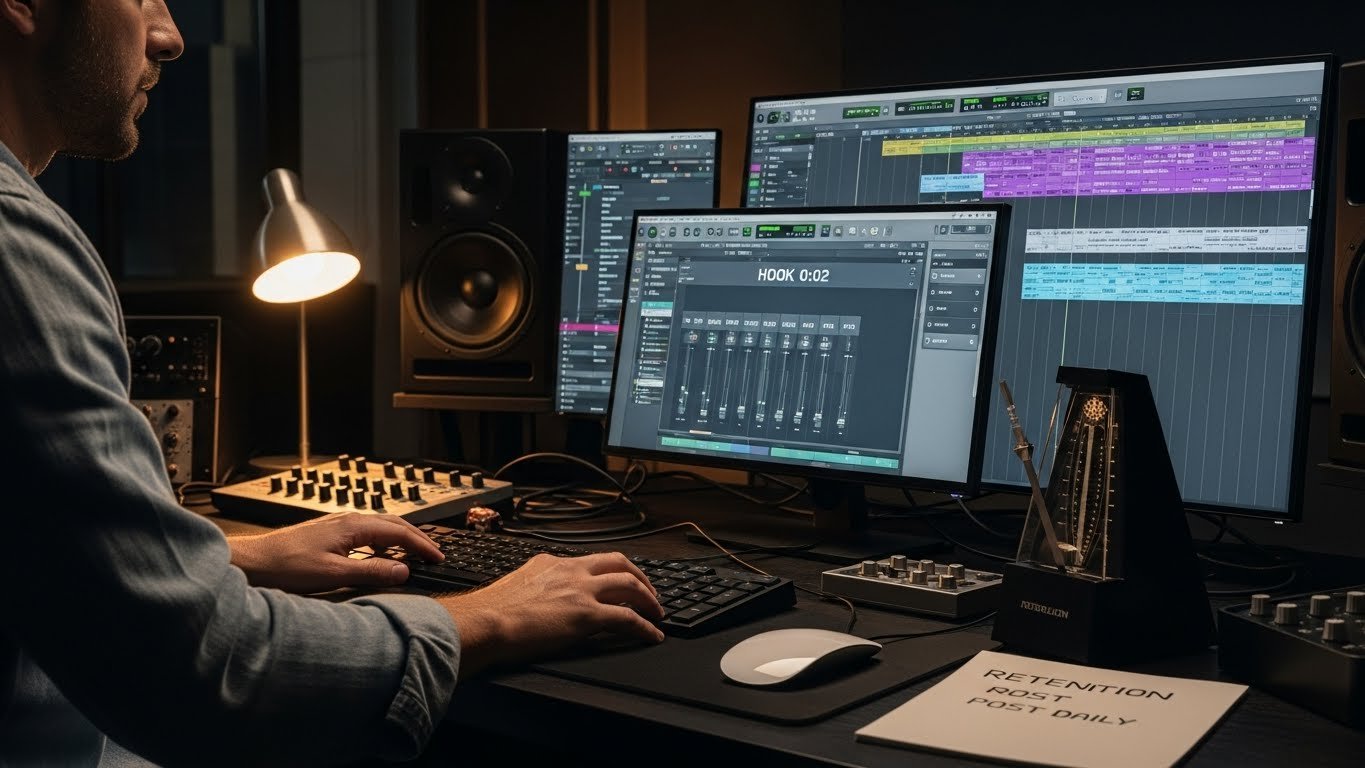
“Tindernailed to the Algorithm”: Endless Auditions, No Conviction
Algorithm slavery in music isn’t just “promotion.” It’s dating-app logic stapled to your forehead: swipe, sample, discard, repeat. Platforms sell algorithmic music discovery like it’s freedom—“look at all these options!”—but it’s the same cursed buffet where nobody eats. Everyone is auditioning, nobody commits. Artists become profiles. Songs become pickup lines. And the listener becomes that bored thumb with commitment issues, skipping as a default reflex instead of a decision.
This is algorithmic discipline in its purest form. You learn the rules or you vanish: post frequency like a religious ritual, hook timing like a hostage negotiation, aesthetic consistency like swastifashion for the feed. You don’t “release a song,” you release a compliance report. You don’t write an intro; you write a retention trap. The worst part? It works—until it eats you. Creators optimizing for algorithms start making choices for reach, not meaning, because the metrics are always there like a tiny dictator on your shoulder whispering “do it again, but faster, but safer, but more you… the version of you that performs.”
And “authenticity” becomes a format. Vulnerability gets turned into a content template: cry on beat, confess on cue, package trauma into a neat little arc with a chorus that fits TikTok clickbait music trends. Relatability becomes a sales funnel. Your pain isn’t sacred anymore—it’s “engagement bait,” and if you don’t present it in the correct lighting with the correct caption, the comment-corpse choir won’t show up to chant the approved sympathy. That’s not connection. That’s a fellatiobaptized economy where everyone pretends the algorithm is a friend while it’s actively crucifucking their attention span.
The psychological trap for artists is obvious if you’ve ever caught yourself checking numbers like a gambler checking the slot machine. Constant refreshing. Constant self-surveillance. The song isn’t finished when it’s done—it’s finished when it performs. That’s algorithm slavery in music: the transformation from creator to content-parasite manager, feeding the machine little pieces of yourself and calling it “strategy.”
The trap for listeners is quieter but nastier. Perpetual sampling trains you to avoid discomfort and complexity. If a track doesn’t deliver dopamine in five seconds, it’s dead. If it asks for patience, it’s “boring.” If it changes halfway through, it’s “confusing.” You don’t sit with the ugly parts long enough for them to become beautiful. You don’t let a song argue with you. You just swipe it away like an inconvenient truth.
That’s why playlist culture vs albums is not just a preference—it’s a behavioral rewrite. Albums are journeys; playlists are utilities. “Sad girl autumn.” “Gym rage.” “Focus mode.” Mood outsourcing, like renting emotions by the hour. The listener becomes a clit-pilot flying blind into whatever vibe label looks useful today, and the algorithm smiles because it’s easier to sell you a mood than a transformation. This is identity rent through music: music as wardrobe. Swap aesthetics, signal belonging, avoid deep attachment. No commitment, no conviction—just vibe-hopping with clean hands and a hollow chest.
Here’s the hidden cruelty: the algorithm rewards those who mimic themselves. Growth becomes dangerous because the system prefers predictable you. So you either evolve and get punished, or you repeat and get rewarded until you become your own parody. That’s the real joke: the machine doesn’t just distribute music; it reshapes the self into something optimizable—hashtag-haloed, filterfucked, and trained to confuse consistency with integrity.
Counter-vision? Conviction-based listening and making. Choose fewer songs. Go deeper. Stop treating music like background furniture and start letting it rearrange the room. Let tracks take time. Let albums be inconvenient. Let a song offend you, confuse you, seduce you, and then change you. Because when you stop optimizing and start committing, you step out of the endless audition. And the algorithm can’t stand that—because a person with conviction is unfuckwithable.
Refusing the Dance: From Clickbait to Conviction
Let’s restate it without perfume: algorithm slavery in music is the conversion of sound into engagement labor and identity rent. Not “discovery.” Not “community.” Labor. Rent. You don’t just listen anymore—you work. You “support.” You “boost.” You “feed the feed.” And in return you get a temporary personality, like a rented leather jacket that never really fits. The system doesn’t want your taste. It wants your behavior. It wants you predictable, trackable, and eternally auditioning for relevance.
And yes, we’ve got three enemies in this little nightclub of doom.
- Content-parasites extract. They don’t love music; they love what music can be used for—clout, outrage, bait, “relatable” captions. They suck the blood, leave the corpse, and call it a “moment.”
- Comment-corpses anesthetize. The endless “who’s here in 2025?” and “this healed me” and “first”—nothing said, nothing risked, nothing learned. A digital lullaby that keeps the brain soft and the algorithm hard.
- Tindernailed-to-the-algorithm keeps everyone auditioning. Swipeable identity. Swipeable taste. Swipeable loyalty. You’re not a listener—you’re a contestant. And every song is forced to show ass in the first eight seconds or get crucifucked by TikTok clickbait music trends.
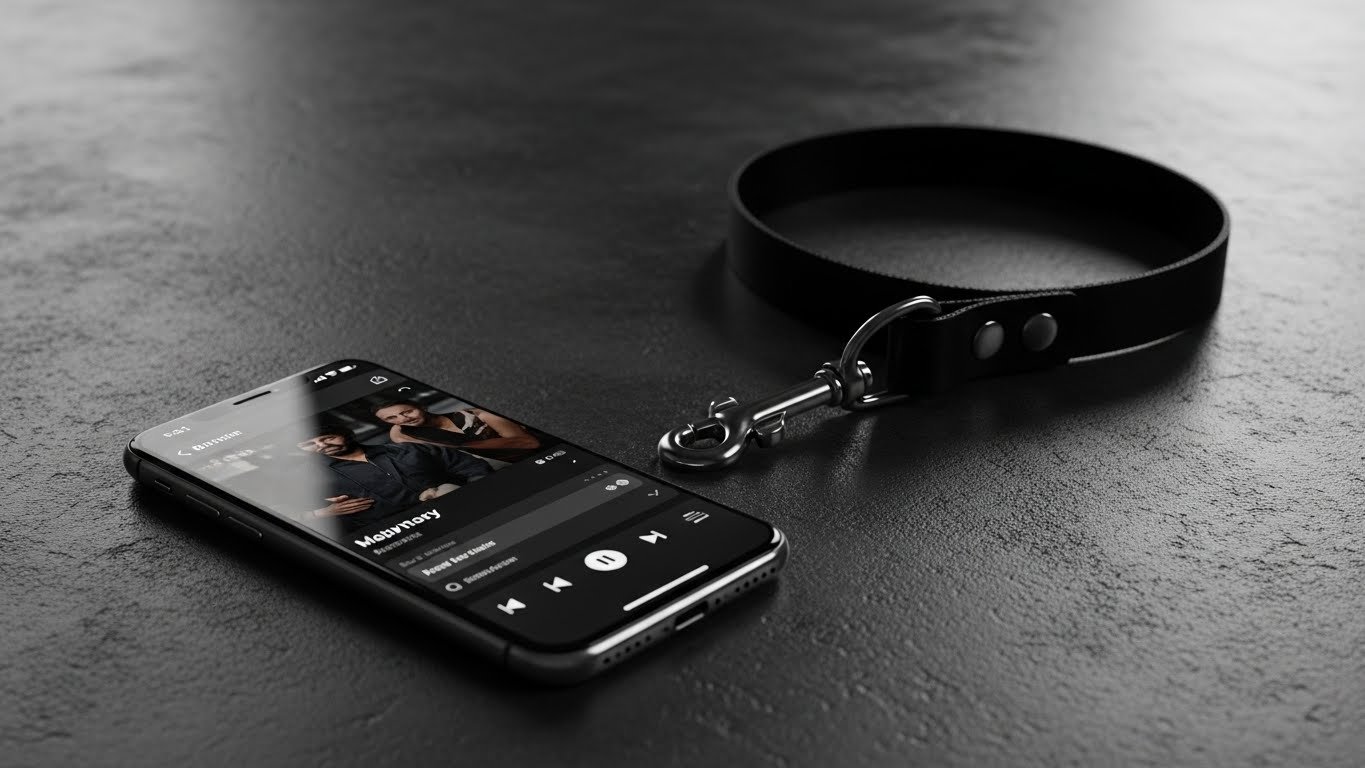
Here’s the pivot, and it’s not cute: the only rebellion left is attention with intent. Listening like it matters, not like it performs. Not “look at me, I consume the correct artists.” That’s just swastifashion for your ears. I’m talking about choosing a song and letting it take something from you—time, focus, a mood, a belief. The attention economy and music can’t monetize what you refuse to turn into a public audition. A person who listens with conviction is unfuckwithable.
So no, this isn’t self-help. This is cultural practice. Exit routes, not affirmations:
- Listen to full albums. Not “playlist culture vs albums” as a debate—albums as a refusal. A sequence. A spine. Let it be inconvenient. Let it rearrange the room.
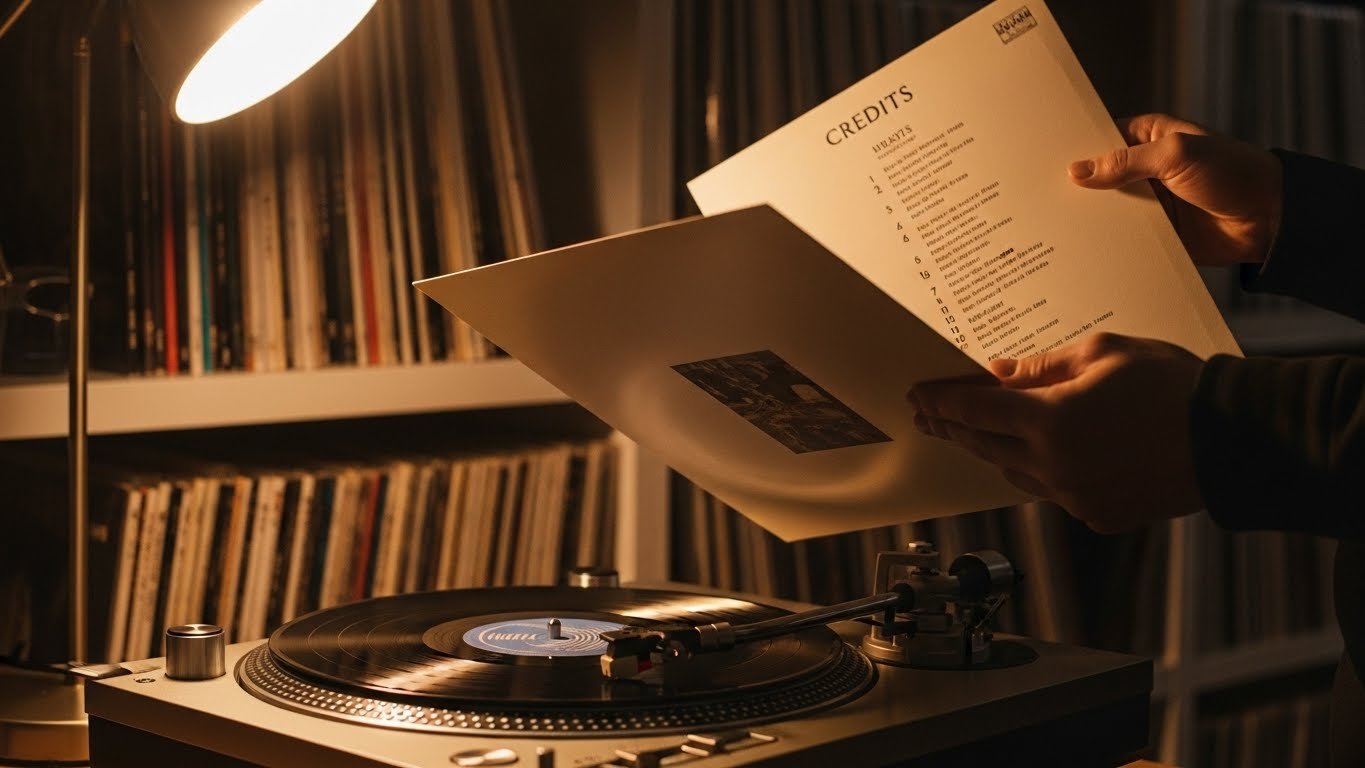
- Seek liner notes and credits. Who wrote it? Who produced it? Who played what? Algorithmic music discovery hates credits because credits create respect, and respect creates standards.
- Follow artists, not trends. Trends are designed to be abandoned. Artists are designed to be argued with, loved, hated, returned to.
- Sit with a song past the hook. The hook is where creators optimizing for algorithms place the trap. Stay after the trap. Watch what the song actually does when it stops begging.
- Talk about specifics. Not “this slaps.” Tell me about the snare tone, the lyric turn, the harmony, the distortion texture, the vocal phrasing. Music engagement bait comments die in the light of detail.
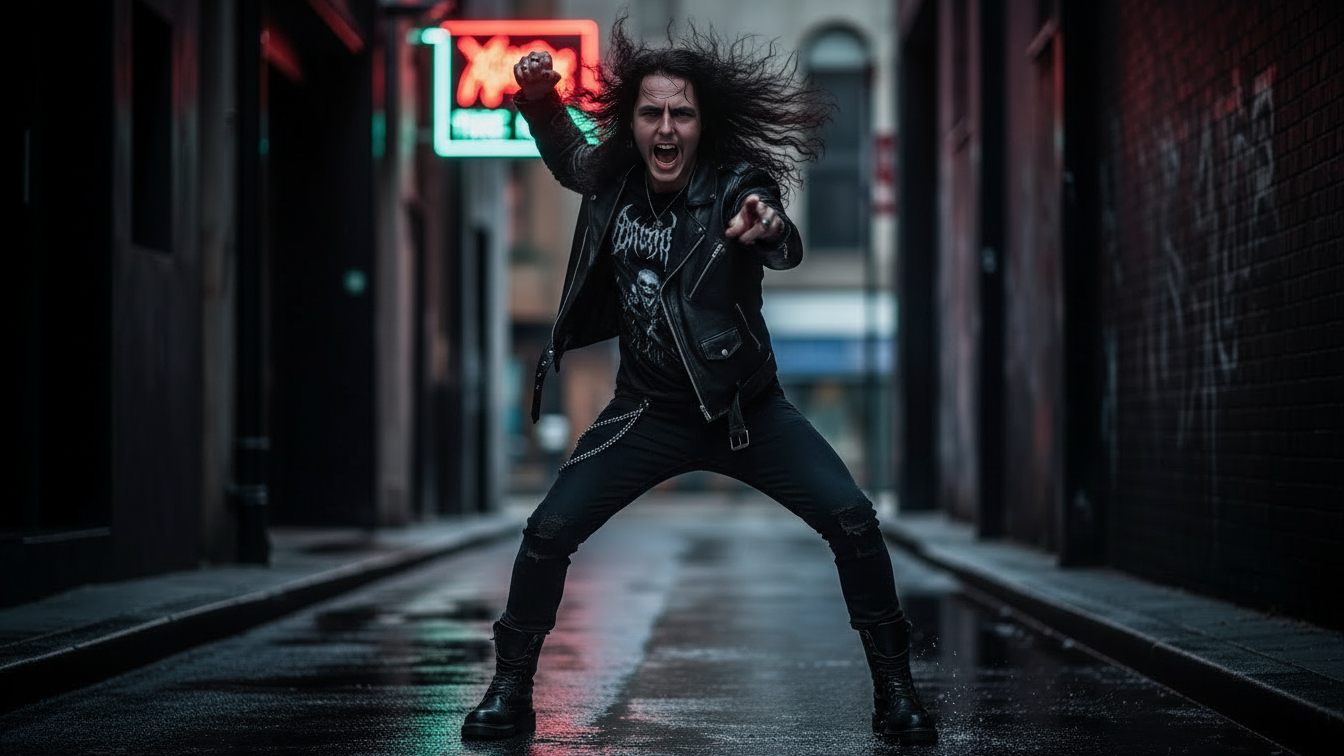
Here’s the point: stop dancing for the feed. Let music be a vow again—something you stand for, not something you scroll past. Let your taste be earned, not rented. Let identity rent through music expire. The algorithm wants you moving. I want you rooted. Venomous Sin Declares War on turning art into a treadmill. Step off it.
https://venomoussin.com/
https://shop.venomoussin.com
https://www.youtube.com/@venemoussin
https://open.spotify.com/artist/4SQGhSZheg3UAlEBvKbu0y?si=qKMljt6rT1WL0_KTBvMyaQ