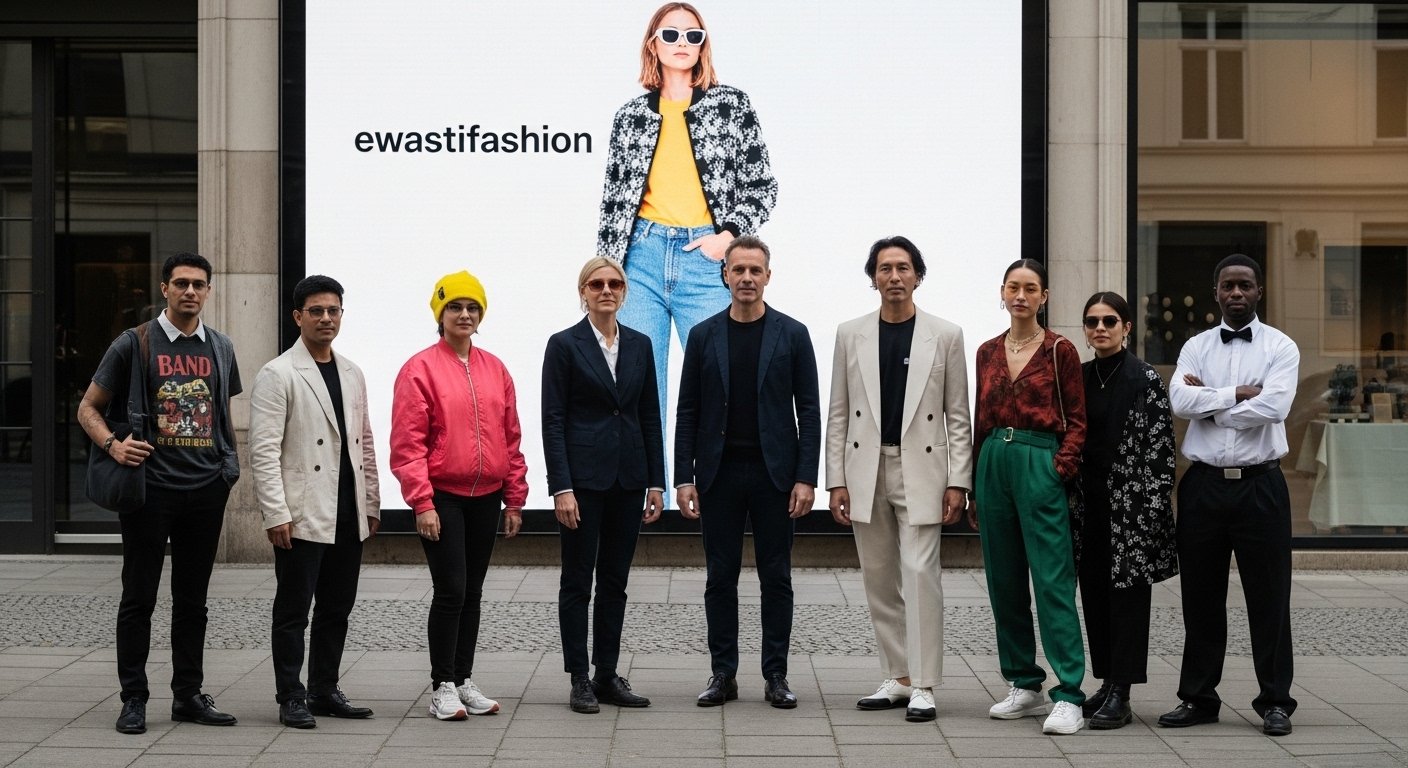
Let’s talk about “freedom” in fashion—the kind they sell you with a discount code and a dead-eyed smile. You know the pitch: wear whatever you want. And then, magically, everyone wants the exact same “must-have” jacket, the same “quiet luxury” beige, the same “clean girl” face, the same copy-paste silhouette. That’s not freedom. That’s uniformity wearing perfume. That’s Swastifashion: mainstream pretending it’s open-minded while enforcing a dress code so tight it squeaks when you breathe.
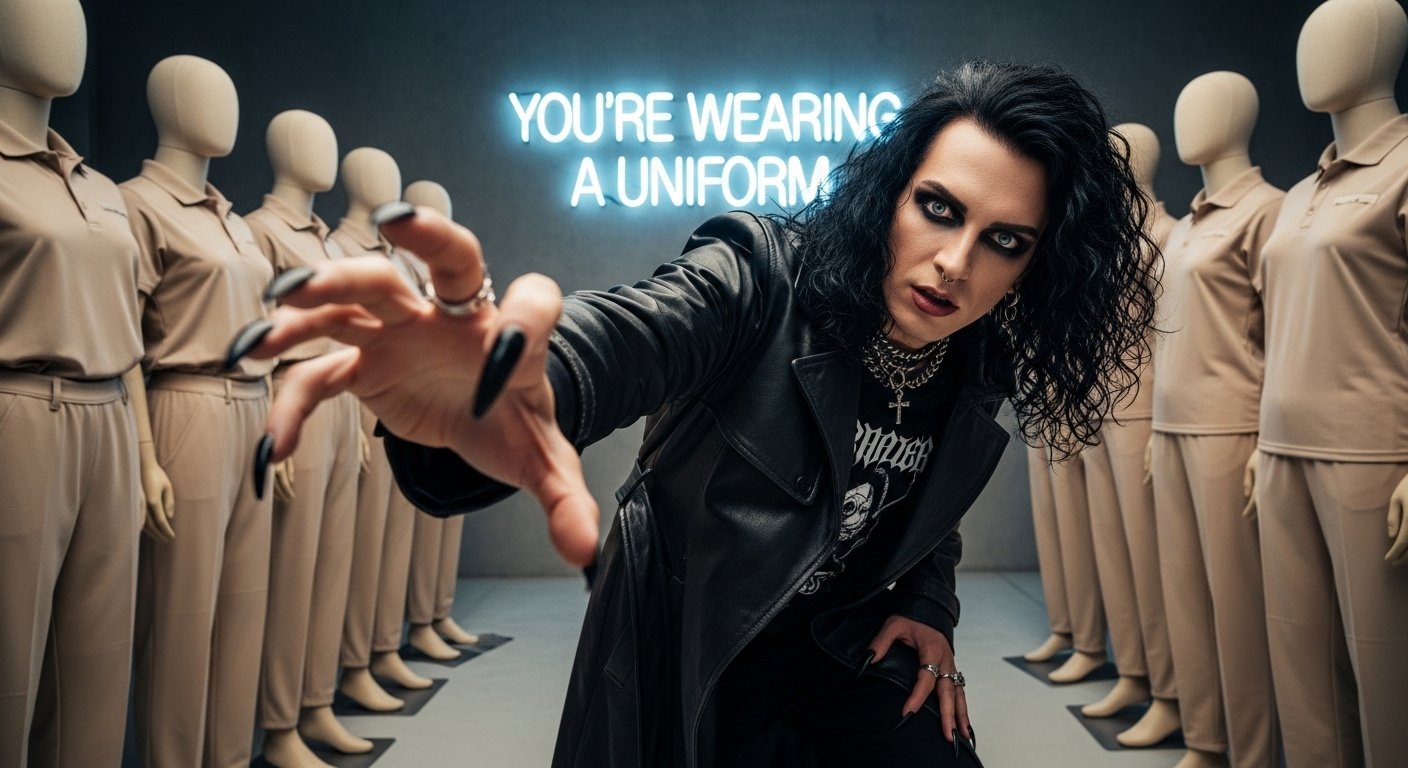
So here’s the question you should let crawl under your skin: Are fashion trends truly a showcase of individuality, or a cleverly disguised conformity? Because if “self-expression” always ends up looking like the same five outfits from the same ten brands, then congratulations—you didn’t find your style, you got normiefucked by a marketing department with a mood board and a god complex.
And the influencers? Don’t worry, they’ll swear it’s your choice. They’re not controlling you—no no—just “inspiring” you with an algorithm-fed parade of “essentials.” That’s the trick. They turn obedience into identity. They don’t say “uniform,” they say “aesthetic.” They don’t say “buy,” they say “invest.” They don’t say “you’re replaceable,” they say “link in bio.” It’s psychological warfare in soft lighting: repetition, social proof, fear of being left behind, and the subtle shame of not being “current.”
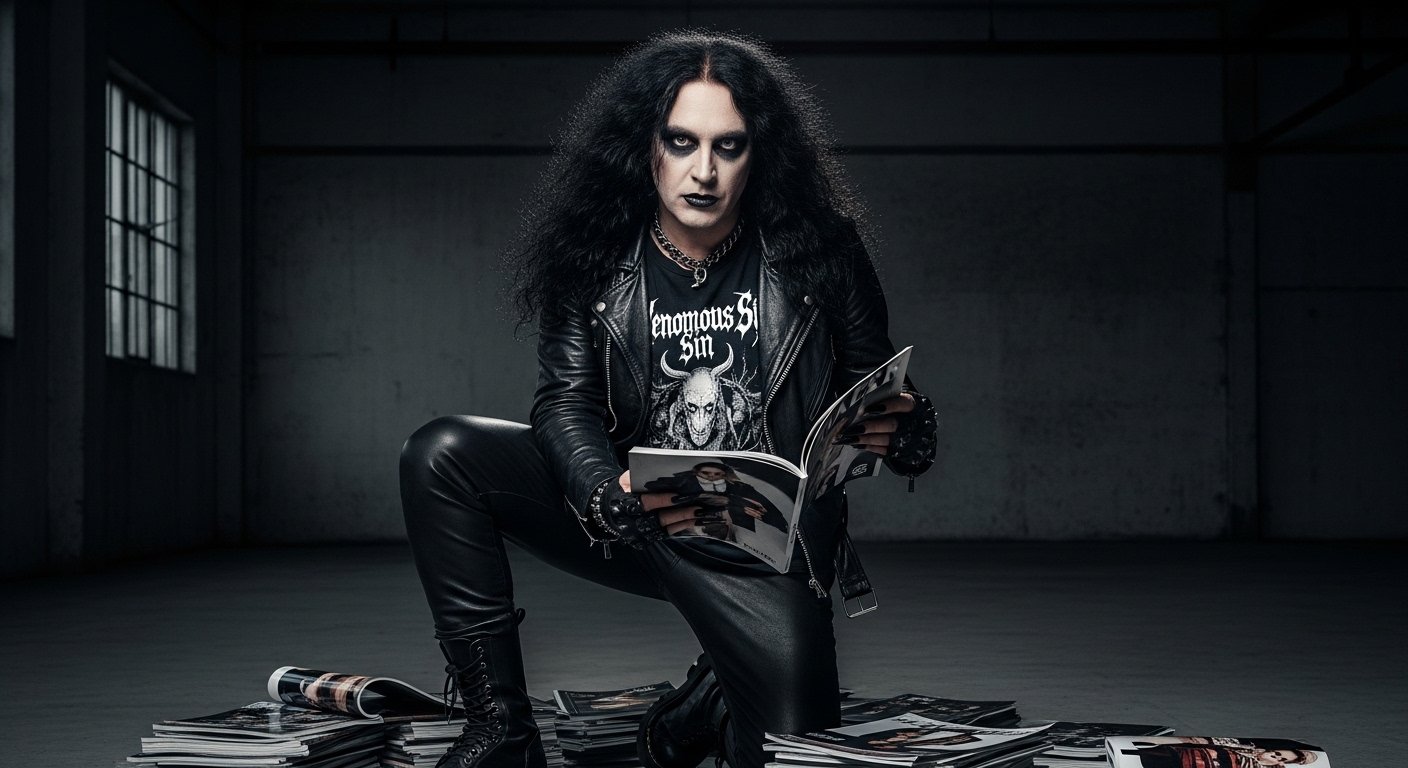
This is where influencer gatekeeping tactics get deliciously toxic: the fake casual “I just threw this on” while every detail is engineered to make you feel slightly wrong as you are. They don’t need to call you a poser. They just raise an eyebrow and let the comment-corpse army do the rest. “Where is it from?” “What size are you?” “Can you link?” And suddenly your body and your wardrobe are public property—measured, compared, Tindernailed into a product page.
And the industry loves it because trends are not designed to be worn—they’re designed to expire. Fast cycles, faster shame. You’re not “behind,” you’re being herded. Anal-uniforms with seasonal updates.
- If everyone’s “standing out” the same way, you’re not witnessing individuality—you’re watching a coordinated collapse of taste.
- When a trend makes you anxious instead of excited, that’s not style—that’s control.
- Real personal style doesn’t beg for permission, doesn’t need a haul, and sure as hell doesn’t come with a script.
So yeah—wear what you want. But ask yourself who put the wanting in you. Because Swastifashion doesn’t arrive with boots and banners. It arrives with “new drop,” “must-have,” and a smiling fuckfluencer telling you conformity is confidence.

The Illusion of Choice in Fashion Trends
Here’s the beautiful mindfuck: they sell you “choice” while engineering exactly what you’ll choose. Fashion brands don’t just create clothes—they create the illusion of personal discovery. You think you stumbled onto that oversized blazer, those chunky sneakers, that specific shade of millennial pink? Nah. You got served a pre-programmed menu and convinced yourself you were cooking.
Look around. Everyone’s wearing the same “unique” vintage band tee, the same “effortless” wide-leg jeans, the same “authentic” gold jewelry. The same fucking everything, just shuffled around like a deck of cards. That’s not personal style—that’s a mass-produced personality disorder. Swastifashion doesn’t need jackboots when it has Instagram stories and “get ready with me” videos doing the marching.
Take the “clean girl” trend. Suddenly, half the planet decided their natural look needed $200 worth of products to look naturally effortless. Or “cottagecore”—city dwellers buying $80 prairie dresses to cosplay as farmers while ordering DoorDash. These aren’t organic style movements. They’re manufactured nostalgia with a price tag, designed to make you feel like you’re part of something authentic while you’re actually funding something corporate.
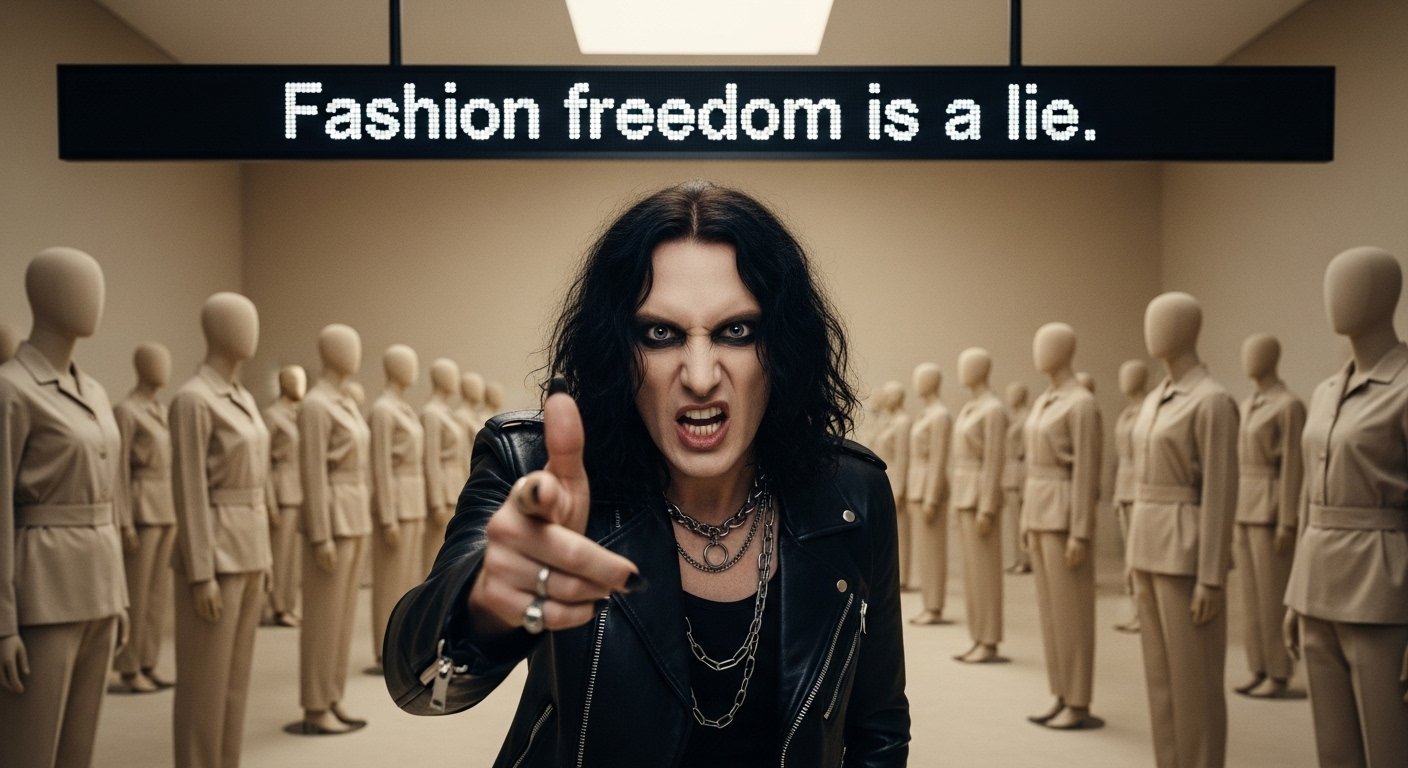
The psychology is surgical. First, they create scarcity: “limited drop,” “selling fast,” “only 24 hours.” Then social proof: your favorite fuckfluencer “can’t live without it.” Then FOMO: everyone else is already wearing it, you’re the only one left out. Finally, the kill shot: “This is so YOU.” Except “you” apparently looks exactly like everyone else who fell for the same script.
Brands don’t sell clothes anymore—they sell belonging. They’ve hashtaglobotomized an entire generation into thinking consumption equals identity. “I’m not like other girls, I shop at Brandy Melville.” Sure, along with every other girl who’s “not like other girls.” The algorithm feeds you the same trends it’s feeding everyone in your demographic, age range, and spending bracket. You’re not discovering your style—you’re being normiefucked by a machine that knows exactly which buttons to push.
And the influencers? They’re not style icons—they’re walking billboards with personality disorders. They’ll swear that leopard print cardigan “spoke to them,” but it spoke to them through a PR package and a four-figure paycheck. They turn shopping into performance art, making you feel like you need to justify your closet to strangers on the internet.
Real style doesn’t come with a hashtag. It doesn’t need validation from comment-corpses asking “where’s it from?” It sure as hell doesn’t expire when the season changes. But that kind of authenticity doesn’t generate quarterly profits, so they’ll keep selling you the same anal-uniforms with different names until you wake up and realize you’ve been wearing a costume this whole time.
Influencers as the New Gatekeepers
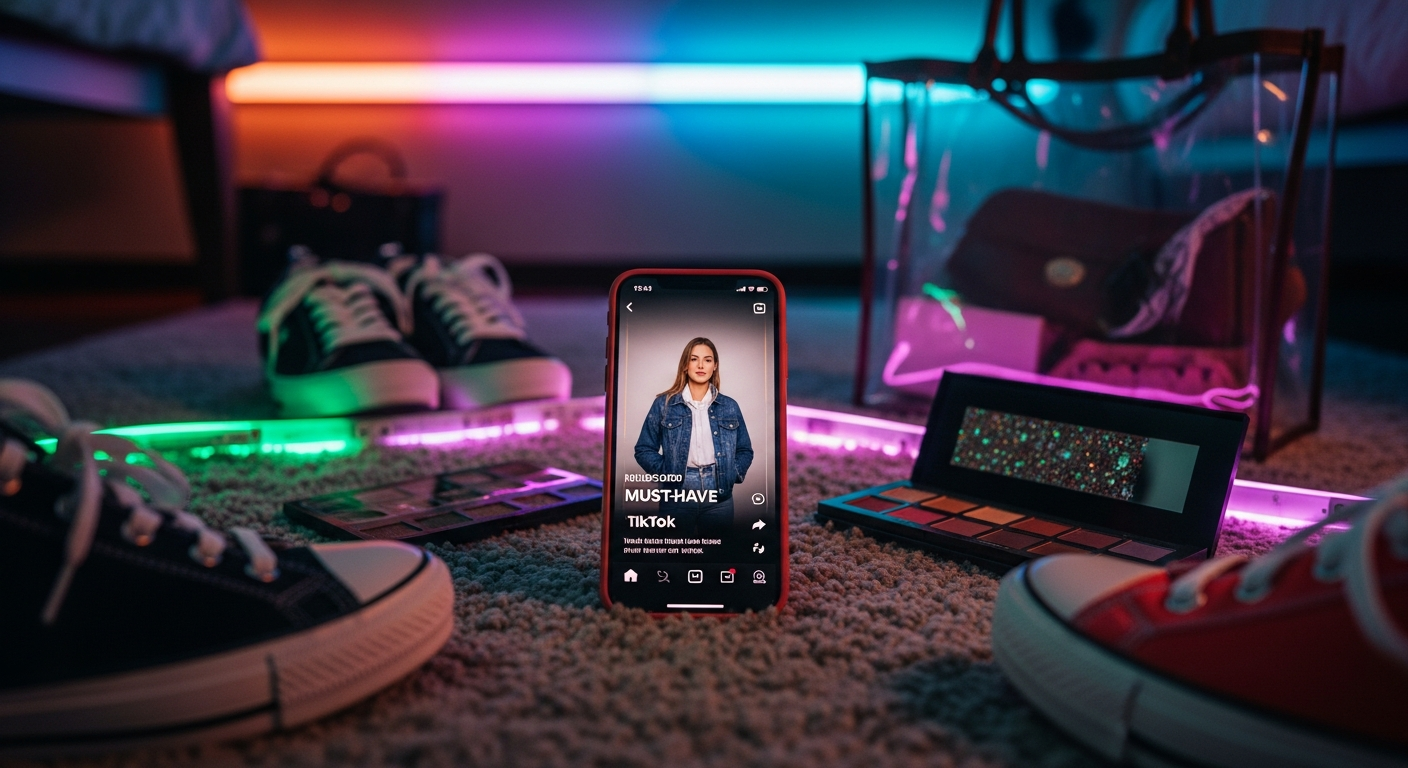
Welcome to the circus where the ring‑master wears a anal‑uniform stitched from sponsored posts and algorithmic whispers. Influencers aren’t just fashion addicts; they’re the gatekeepers of style—the modern‑day aristocrats who decide whether your “unique” aesthetic is worthy of a double‑tap or a merciless scroll‑by. They wield the same psychological tactics that big‑brand marketers have used for decades, only now they hide behind filtered selfies and “get ready with me” videos. The result? A swastifashion parade where every outfit is pre‑approved by a corporate PR script, and you, dear sinner, are the unwitting audience.
Social media platforms act like megaphones for these gatekeepers. Instagram’s endless grid, TikTok’s looping reels, and the ever‑present “stories” feed are the neon‑lit catwalks where personal style turns into a public performance. The algorithm laughs in your face, serving you the same fuckfluencer‑approved looks over and over, because the more you engage with the same trend, the more ad‑revenue it spits out. It’s a perfect feedback loop: the influencer drops a “limited drop,” you panic‑buy, the brand celebrates the spike, and the influencer cashes in on the hype. Meanwhile, the environmental impact of that rapid turnover is buried under a mountain of hashtags and sponsored emojis 🤘💀🤘.

Case Study: The Rise of “The Curated Queen”
- Name: Aurora Vane (fictional but based on the archetype of a top‑tier fashion influencer).
- Platform dominance: 3.2 M followers on Instagram, 1.8 M on TikTok, and a relentless stream of “shop my look” stories.
- Gatekeeping tactics:
- Creates scarcity with “only 24‑hour drops” that force FOMO.
- Uses “social proof” by constantly posting herself in the same brand pieces, turning personal taste into a brand endorsement.
- Leverages “authenticity” by claiming the outfit “spoke to her soul,” while a PR team hand‑writes the script.
- Impact on audience: Within weeks, her followers flooded the brand’s website, sold out the limited stock, and flooded the resale market with inflated prices. The ripple effect? Thousands of fast‑fashion pieces manufactured, shipped, and discarded—an environmental nightmare dressed up as “trend‑setting.”
When Aurora whispers, “This is so you,” you’re actually hearing the echo of a corporate algorithm that knows exactly how to sell you a piece of yourself for $199. The psychological tactics of fashion influencers are a masterclass in word‑aikido: they agree with your desire for uniqueness, mock the idea of conformity, then deliver the very conformity they promised to shatter. The result is a legion of comment‑corpses asking “where’s it from?” while the real answer is “from the same warehouse you’ve been feeding your ego.”
Breaking free from these anal‑uniforms means recognizing the gatekeepers for what they are: paid amplifiers of a pre‑fabricated narrative. It means stripping away the glossy veneer, refusing the “limited drop” hype, and crafting a style that isn’t measured in likes or sponsored hashtags. Real rebellion isn’t a new hashtag; it’s a silent, unapologetic walk away from the algorithm’s grasp—because the only thing truly authentic is the chaos you create when you stop letting the gatekeepers dictate your wardrobe.
The Hidden Cost of Swastifashion
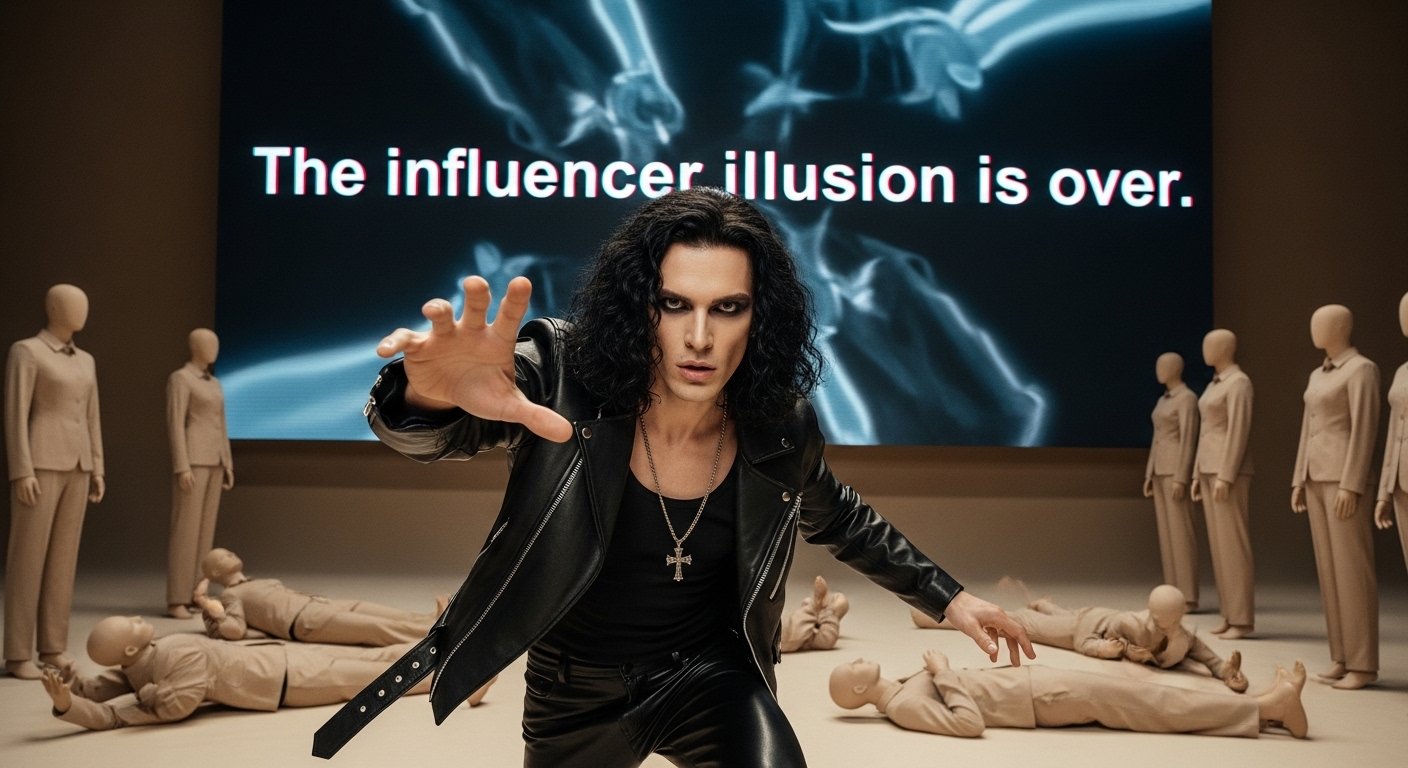
Behind every swastifashion parade lies a graveyard of discarded dreams and exploited hands. While you’re busy panic-buying that “limited drop” because some fuckfluencer whispered it was “so you,” there’s a darker reality unfolding in factories where workers are getting crucifucked by impossible deadlines and starvation wages. The hidden cost of fast fashion isn’t just your maxed-out credit card—it’s an entire ecosystem built on environmental destruction and human suffering, all wrapped up in a bow of algorithmic manipulation.
Let’s talk numbers, sinners. The fashion industry produces over 100 billion garments annually, with the average piece worn just seven times before hitting the landfill. That trendy crop top you bought because it looked “fire” on your feed? It’ll outlive you by 200 years in a dump somewhere, leaching toxic dyes into groundwater while microplastics dance their way into the food chain. The environmental impact of trend adoption isn’t some distant consequence—it’s happening right fucking now, one sponsored post at a time.
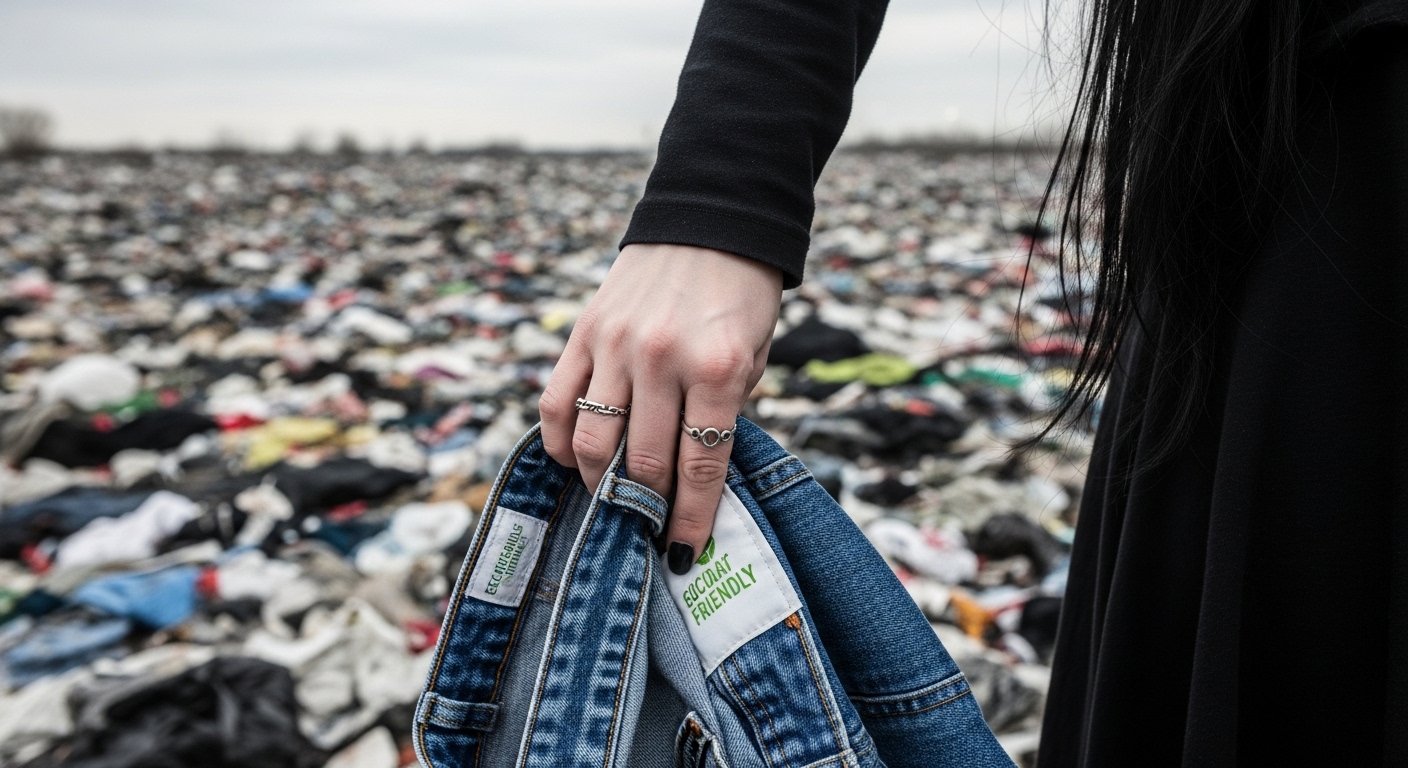
But here’s where it gets really twisted: the same brands preaching sustainability are the ones fueling this anal-schedule of constant consumption. They’ll slap a “eco-friendly” label on a polyester blend and call it progress, while their factories pump out 52 micro-seasons a year. It’s greenwashing dressed up as consciousness, designed to make you feel better about feeding the machine that’s literally eating the planet alive.
The human cost is even more brutal. In Bangladesh, Cambodia, and Vietnam, garment workers—mostly women—are trapped in a cycle of poverty, working 14-hour shifts for pennies while brands rake in billions. When you buy that $15 dress because it’s “such a steal,” you’re not just getting a bargain—you’re participating in a system where someone else’s dignity was the real discount. These workers are getting karmafucked by a supply chain that values profit margins over human lives, all so you can have 47 versions of the same basic tee in your closet.
The pressure to constantly update wardrobes has turned shopping from necessity into pathology. Social media feeds us a steady diet of FOMO-inducing content, making last season’s purchases feel obsolete before they’ve even been worn. The result? Closets stuffed with regret and credit cards screaming for mercy, while the real winners—the brands and their dildoprophet influencers—laugh all the way to the bank.
Breaking free from anal-uniforms means recognizing that every “must-have” piece comes with a price tag written in someone else’s blood, sweat, and the planet’s finite resources. Real rebellion isn’t buying the next trending item—it’s refusing to play the game entirely and choosing pieces that outlast the algorithm’s attention span.
Breaking Free from the Anal-Uniforms
So you want to escape the anal-uniforms and stop being a walking billboard for corporate greed? Good. It’s about fucking time someone decided to think for themselves instead of letting some fuckfluencer dictate their morning wardrobe choices. But here’s the thing—breaking free isn’t just about throwing out your fast fashion collection and calling it a day. It’s about rewiring your brain to stop craving validation from strangers who don’t give two shits about your actual identity.
First step: unfollow every fashion influencer who makes you feel like your current wardrobe is somehow inadequate. These dildoprophets have turned shopping into a religion where the only salvation comes through constant consumption. Their job isn’t to help you look good—it’s to make you feel like shit about what you already own. Every “get ready with me” video is designed to trigger your insecurities and open your wallet. Recognize the manipulation for what it is and cut the cord.
Next, start building a wardrobe that actually reflects who you are, not who the algorithm thinks you should be. This means buying fewer pieces, but choosing items that make you feel authentically powerful. Look at icons like Tilda Swinton, who’s been wearing the same androgynous aesthetic for decades, or Iris Apfel, who built her style around maximalist chaos that no trend cycle could ever replicate. These women didn’t follow fashion—they created their own language and stuck to it, making every copycat look like a pale imitation.
The secret weapon against swastifashion conformity? Develop a signature look that’s so distinctly yours that trends become irrelevant. Whether it’s always wearing red lipstick, collecting vintage band tees, or rocking the same leather jacket for twenty years—find your visual identity and own it completely. When you know who you are, the fashion industry’s desperate attempts to reinvent you every season just become background noise.
Stop asking “is this trendy?” and start asking “does this feel like me?” The difference between authentic style and anal-uniforms is simple: one comes from within, the other comes from fear of being left out. Choose substance over trends, and watch how quickly you stop giving a fuck about what everyone else is wearing.

Embrace Authenticity or Get Crucifucked by the Trend Machine
So here’s the fucking conclusion, since we all love a neat little bow on things: embracing your real self over conformity isn’t just a style choice. It’s a declaration of war. A war against the entire system that profits from your insecurity. You can either build your own fortress of identity, brick by fucking brick, or you can keep renting space in the swastifashion prison, paying with your personality every season.
Look, I’m not here to sell you a dream. Authenticity is messy. It’s wearing the band tee from a show that changed your life, even if it’s faded and has a hole. It’s keeping the jacket that fits like a second skin, not because it’s “in,” but because it’s you. It’s looking at the filterfucked parade of influencers and realizing their “perfect” aesthetic is just another anal-uniform—one they get paid to wear. The hidden cost of fast fashion trends isn’t just on the price tag or the planet; it’s the piece of your soul you trade for a fleeting moment of fitting in. That shit is more expensive than any designer label.
Stop critically evaluating. Start feeling. Does that item make you feel powerful? Unapologetic? Like a goddamn version of yourself you actually recognize in the mirror? Or does it just make you feel… acceptable? There’s your answer. The psychological tactics of fashion influencers are designed to make you chase the latter. They weaponize FOMO and dress it up as aspiration. Don’t fall for it.
So here’s your call to action, sinner: Dare to defy. Be inconvenient. Be unpredictable. Be so authentically, grotesquely *you* that the trend cycles break against you. Let them call you weird. Let them not get it. Your style shouldn’t be a consensus; it should be a monument to every scar, every laugh line, every fuck-you you’ve ever carried. That’s what makes you unfuckwithable.
Because in the end, the greatest “fuck you” sauce you can ever wear isn’t bought. It’s grown. From the inside out. Now go build something that can’t be canceled. 🤘💀🤘
https://venomoussin.com/
https://shop.venomoussin.com
https://www.youtube.com/@venemoussin
https://open.spotify.com/artist/4SQGhSZheg3UAlEBvKbu0y?si=qKMljt6rT1WL0_KTBvMyaQ