
Welcome to the AI Tool Graveyard – Where Budgets Go to Die
Your bank account called. It wants to file a restraining order against your AI subscriptions. And honestly? I don’t blame it. We’ve all been there—scrolling through some sleek, neon-drenched landing page promising “revolutionary neural networks that will redefine your art,” only to realize it’s just another overpriced user.exe that crashes harder than Lina’s emotional state after three espressos.
Let’s cut the bullshit: 90% of hyped AI tools are digital snake oil, designed to separate creatives from their money while delivering the artistic equivalent of a 404 error. I should know. I’ve burned through $2000+ on platforms that couldn’t generate a decent drum loop, let alone something brutal enough for Thorin’s double-kick patterns. One tool promised “hyper-realistic metal guitar riffs” and spat out something that sounded like a dial-up modem dying in a black hole. Another swore it could “automate your entire visual aesthetic” but just slapped a low-res gothic filter on stock footage of a sad woman in a forest. Groundbreaking.

Here’s the thing: I don’t just use these tools—I break them. I reverse-engineer them. I feed them corrupted data just to see how they’ll fail, because nothing exposes a scam faster than watching an AI choke on its own hype. And let me tell you, most of them don’t even have the decency to blue-screen with style. They just… whimper.
But this isn’t another listicle where I pretend every “underrated gem” is worth your time. Consider this a forensic autopsy of AI marketing lies, written by someone who’s spent more hours debugging synth plugins than sleeping. I’ll tell you which tools are actually worth your cash (spoiler: it’s a short list), which ones are glorified slot machines for your Patreon money, and—most importantly—when to stop outsourcing your creativity to silicon and just code your own damn solution.
Because if there’s one thing Venomous Sin has taught me, it’s that no algorithm understands rage like a human who’s been screwed over one too many times. And if you’re here, you’ve probably been screwed over too. So let’s turn off the autotune, press CTRL+ALT+DELETE on the hype, and talk about what actually works—before your next subscription renewal hits like a Wrath of the Lord drop-tuned to F.
Fair warning: If you’re looking for polite, corporate-approved takes, your search query has timed out. This is for the artists who’d rather hack the system than pay for another “premium” beta test.

The Hall of Shame: Overhyped Platforms That Robbed Us Blind
Let’s get forensic. If you want a list of “the best AI tools for gothic metal aesthetic,” ask your local influencer. If you want the raw, unvarnished truth about the overhyped AI music platforms scam—and how I blew through two grand just to prove a point—welcome to the Hall of Shame. This is Nyx Luna, and I don’t test tools like a basic user. I run them through the Venomous Sin gauntlet—real production workflows, real deadlines, real artists who’d rather code their own effects than trust a SaaS dev with more VC funding than sense.
Here’s the methodology, in case you think I just rage-post on TikTok: I integrated every platform into actual Venomous Sin projects. That means live session sync (which 80% of these apps failed at), MIDI mapping for brutal industrial triggers (most couldn’t handle polyphonic aggression), and end-to-end export for visuals and audio (don’t even get me started on “lossless” claims—if I wanted artifacted noise, I’d ask Draven to play through his phone speaker). Each platform was scored on:
- Speed: If I need to wait longer for a render than it takes Lina to write three verses and cry twice, your tool is dead on arrival.
- Quality: Can you generate a drum fill that actually matches Thorin’s hand speed, or is your “AI drum programming for extreme metal” just a randomizer with a distortion pedal?
- Integration: Does your tool play nice with Ableton, or does it act like a Windows update—breaking everything and then blaming the user?
- Creative Control: Can I tweak, customize, and abuse your algorithm until it actually sounds like us, or am I just pulling the lever on a musical slot machine?
Let’s be real: Most so-called “AI music generators” are just expensive random number generators with a shiny UI and a library of stock loops. I fed Suno, Boomy, and Aiva our signature synth layers, and what came back was less gothic than Celeste’s Instagram feed after a sponsored teeth-whitening collab. Don’t even mention LALAL.AI’s “separation tech”—it splits tracks about as well as my VPN splits traffic (spoiler: it doesn’t). Even so-called affordable AI video generation for dark visuals is a joke: Kaiber, Runway, and Pika all promise “cinematic gothic” but deliver generic TikTok sludge with a filter. If your platform can’t handle black-on-black color grading without turning my cybergoth aesthetic into a muddy disaster, delete your code and start over.
Here’s my advice: If a tool can’t handle the velocity and complexity of real creative work, it’s not a solution—it’s a scam. Stop renting creativity from algorithms that don’t know the difference between atmospheric and atrocious. Either learn to break the system, or start building your own. Otherwise, you’re just another mark in the next overhyped AI music platforms scam, and your bank account deserves better than that.

Victim #1: The ‘Revolutionary’ Music AI That Couldn’t Handle Metal
Platform name redacted because fuck giving these clowns free SEO—let’s call it RevoFLOP, the self-proclaimed revolutionary AI that strutted in promising to birth the next wave of best AI tools for gothic metal aesthetic. I threw it into the Venomous Sin gauntlet expecting at least a glitchy spark, but nah. This bitch delivered elevator music with distortion slapped on like cheap PVC over a basic goth fit. You prompt it for Nyx Luna-style industrial aggrotech layers bleeding into thrash? It spits back mid-tempo loops that sound like a stock Ableton pack shuffled by a drunk intern. Platform autopsy complete: under the hood, it’s just bloated sample libraries chained to a Markov chain shuffle algorithm pretending to be neural nets. No depth, no polyphony that survives a real MIDI map—try syncing it to Lucien’s bass rhythm that’s felt in your gut, not heard like some pussy pop track, and watch it flatline.
Technical breakdown time, because I don’t half-ass my hacks. Their “neural networks” are probably glorified RNNs trained on a dataset shallower than Celeste Lightvoid’s influencer persona—think 80s hair metal samples mixed with generic EDM drops, no real grasp on velocity curves for Thorin’s brutal hammerhead fills or Seraphina’s burning riffs that refuse to extinguish. I dissected the exports: zero dynamic range beyond 4/4 kick-snare-hat prison, artifacts on every high-end synth stab like my cyberlocks after a Copenhagen rainstorm, and latency that’d make even Xavi’s chaotic code look optimized. Fed it prompts ripped straight from “Macabre’s Revenge”—Lina’s tears of necessary pain turned into saccharine bullshit. Why? Because these platforms optimize for viral TikTok slop, not AI drum programming for extreme metal that can hang with Draven Blackthorn’s heavy brutal riffs. Their models choke on anything outside vanilla prompts; input “cybergoth virus injecting industrial venom,” output: predictable blues scale with reverb. User.exe has stopped responding.
Then the $99/month reality check hit like a Windows update nobody asked for. I burned through that sub for a week, pushing Venomous Sin workflows—live session sync for my keyboard triggers, signal manipulation for stage lights, the works. Got the same four goddamn 4/4 generic patterns no matter if I whispered “hypnotic darkwave haunt” or screamed “Ravena Deaththorn pure rage wrath.” No creative control, just a slot machine rigged against you. Integration? Laughable—crashes harder than Noctara Nightscar disrupting a set. Budget tip for artists drowning in AI subscription budget management for artists nightmares: cancel this shit before it drains your Patreon funds. I’ve hacked better from free GitHub repos.
Nyx’s verdict: I’ve seen more creativity in a Windows error message. Press CTRL+ALT+DELETE on your brain if you think this overhyped trash belongs in real production. RevoFLOP couldn’t infect a calculator, let alone handle the digital nerve center of Venomous Sin. Sinners, stick to underground tools that actually work or build your own rig—anything else is just paying to beta-test some VC’s ego trip. Your systems are weak. I’m not.

Victim #2: The Video AI That Turned Our Dark Aesthetic Into Disney
Next up on the chopping block: some pixel-pushing pretender I’ll dub DisneyDoom, because fuck platforming these corporate candy-coated catastrophes with their actual names. Marketed as the ultimate “cinematic AI” for affordable AI video generation dark visuals, this shit promised to weave epic visuals from your wildest prompts—gothic shadows, industrial venom, cybergoth glitches straight out of my keyboard rig. I fed it Venomous Sin’s core aesthetic: synthetic cyberlocks whipping through neon-drenched fog, Sheila Moongrave’s MoonGRIEF riffs visualized as razor-wire storms, Zariel Graveborn cracking her dominatrix whip over a sea of sinners. Reality? It barfed out pastel unicorns prancing in a fucking enchanted forest, with Lina Macabre’s “Macabre’s Revenge” tears reimagined as glittery fairy dust. Marketing lie detected— their splash page hyped “unleash your vision,” but the output was a sanitized Hallmark card with a goth filter that wouldn’t fool a TikTok normie. Prompt “Nyx Luna hacking the matrix in PVC pants and platform boots, injecting virus code into Oblivion’s sexy bat-machine chaos”? Output: a chick in a tutu with glowing butterfly wings. User.exe has stopped responding, bitches.
Time to crack the hood with my hacker-queen toolkit, because I don’t trust black boxes any more than I trust Xavi’s chaotic code not to bluescreen my rig. Technical autopsy: their diffusion models are bloated on a training dataset that’s 99% mainstream slop—Disney vaults, Marvel explosions, Instagram reels from influencers like Celeste Lightvoid chasing likes. No depth for subculture signals; gothic imagery? It pattern-matches “dark” to twilight sparkle-shit because the corpus is poisoned with Pixar pastels and Hollywood hero arcs. I reverse-engineered a few exports: latent space choked with low-variance embeddings, zero grasp on texture hierarchies for my black PVC sheen or Sylvana Nightshade’s hypnotic haunt. Feed it “Ravena Deaththorn’s pure rage wrath, unfiltered female fury exploding in blood-red thorns,” and the noise predictor hallucinates pink cotton candy storms. Bias confirmed—GAN discriminators tuned for viral safety, not niche extremes like Draven Blackthorn’s brutal riffs visualized as gut-punching avalanches. Artifacts everywhere: motion blur on static elements like my gas mask goggles, color drift turning industrial mesh into beachwear. These models can’t handle velocity in aesthetic prompts; it’s all quantized to 8-bit vanilla, no room for aggrotech signal manipulation or the digital nerve center I run live. Their “fine-tuning” option? A joke—upload Venomous Sin stills from “Saved in Shadows, Cursed in Blood,” get back a smoothed-over cartoon where Noctara Nightscar’s stage disruption looks like a pillow fight.
The $200 burn? Straight cash inferno. Dropped that on credits expecting AI tools for musicians budget review metal music production value—tried batching 10 Venomous Sin concepts: Lucien’s bass you feel in your bones pulsing through void-realms, Seraphina The Fire’s unextinguished blaze scorching pixel skies, Thorin Hammerhead’s brutal drums shattering gothic cathedrals. Every render: unicorns, rainbows, and ethereal glows that’d make Lina puke her gothic guts. One prompt nailed it—”cybergoth hacker-queen Nyx Luna, synthetic cyberlocks flowing, pressing CTRL+ALT+DELETE on conformist systems”—came back as a valley girl with pigtails typing on a laptop in a flower field. Latency through the roof, 20-minute queues for 10-second clips that’d crash harder than my old synth after a Copenhagen hackathon. No upscaling worth shit; high-res attempts pixelated into My Little Pony fever dreams. Budget killer for bands scraping Patreon pennies—I’ve coded better glitch art in Processing for free.
Why do these video AIs flop so hard on niche aesthetics? Subcultures like ours—cybergoth, extreme metal, Venomous Sin’s war on conformity—aren’t in the data firehose. Trained on YouTube mainstream, they default to safe, shareable slop; anything “dark” gets neutered to PG sparkle. No multimodal understanding for how my platform boots stomp sync with industrial beats, or how Oblivion’s not-man-not-woman sexy chaos defies binary classifiers. Sinners, want real Nyx Luna Venomous Sin tech recommendations? Ditch this overhyped scam; hack open-source like Stable Diffusion with custom LoRAs trained on your own rips, or chain ComfyUI workflows for actual control. Cost-effective alternatives exist if you RTFM and build your rig.
Nyx’s verdict: DisneyDoom’s just another VC virus infecting creative pipelines—zero infection vector for real dark visuals. Press CTRL+ALT+DELETE on these mainstream traps; your systems are weak. I’m not. Sinners, code your own rebellion or stay pastel forever.

Victim #3: The “Professional” Voice Synthesis That Sounded Like a Dying Robot
After DisneyDoom tried to turn our darkness into a toddler’s bedtime story, I figured voice synthesis would be safer. Audio is my domain. I live in timing grids, sidechains, and the kind of signal manipulation that makes a room breathe with the kick drum. So when a “pro” voice AI promised studio-grade realism for “any genre,” I did what any sane cybergoth hacker-queen would do: I fed it Venomous Sin. Lina Macabre’s bite. Xavi “The Lord” snarling like he’s dragging a confession out of a broken throat. And the machine? It crawled straight into the uncanny valley and died there.
This is the horror of the uncanny valley of AI vocals: when “realistic” becomes nightmare fuel. The consonants were too perfect, like someone polished the teeth but forgot the soul. The vibrato came in like a preset LFO—mathematically correct, emotionally bankrupt. And the breath noises? Not human breath. More like a vacuum cleaner trying to whisper secrets through a wet sock. It didn’t sound like a singer. It sounded like a hostage reading lyrics at gunpoint in a server room.
Technical autopsy, since I don’t do vibes without logs. Most voice AI is built around clean, midrange, speech-like phonation. Metal vocals—especially harsh—are not “singing with distortion,” they’re controlled chaos: false-cord engagement, fry layers, turbulent airflow, formant shaping, and micro-instabilities that change per syllable. These models hate that. They’re trained to smooth. They denoise the life out of it. So when you ask for a scream, the system panics and clamps down with dynamic control like a corporate HR department:
- Formant collapse: the model can’t hold throat-shape consistency under aggression, so vowels smear into one gray “uh.”
- Transient mangling: harsh attacks get softened, so every phrase starts late—like the vocalist is buffering.
- Pitch tracking hallucinations: it “corrects” expressive bends into robotic stair-steps, then calls it “natural.”
- Noise modeling failure: screams are noise + tone + articulation; the AI outputs noise instead of tone, so it becomes underwater rasp.
- Emotion range clipping: whisper-to-rage dynamics? Nope. It compresses everything into one polite volume, like it’s terrified of upsetting Spotify.
And then comes the part that makes me want to press CTRL+ALT+DELETE on the entire SaaS industry: the subscription trap. Monthly payments for “voice packs” that all share the same plastic mouthfeel. You pay extra for “high fidelity,” and the result still sounds like it’s being streamed through a cheap Bluetooth speaker inside a bathtub. The marketing says “broadcast quality.” The output says “underwater conference call with Satan.” If you’re doing an AI tools for musicians budget review metal music production cost-effective alternatives, this is where your money goes to drown.
They love to upsell “emotion sliders.” Cool. Move the “anger” slider to 90% and it doesn’t get angrier—it gets louder. Because the model doesn’t understand anger as articulation, timing, breath, and tension. It understands anger as amplitude. That’s not emotion. That’s a volume knob wearing eyeliner.
Want to know how it behaves in a real Venomous Sin workflow? I tried layering it under our industrial/aggrotech textures—my keyboards, backing triggers, the digital nerve center. The voice wouldn’t sit in the mix because it had no believable micro-dynamics. It’s like trying to glue a 2D sticker onto a 3D wound. Lina’s lines in “Macabre’s Revenge” are supposed to cut because they’re alive—pain, release, that necessary burn. The AI delivered the words, but none of the blood. Xavi’s “Wrath of the Lord” energy? The AI turned it into a monotone threat from a broken GPS.
Nyx’s brutal assessment: my microwave has better vocal dynamics. At least it knows how to ramp.
If you’re serious about metal, stop buying “professional” voices that can’t handle professional intensity. Use voice AI for what it’s actually good at: backing layers, glitch textures, creepy intros, radio chatter, synthetic choirs—stuff that benefits from being inhuman. For front vocals? Either record a human, or accept you’re choosing a robot and lean into it on purpose. The worst sound isn’t “artificial.” The worst sound is “pretending to be real” and failing. That’s not innovation. That’s an overhyped AI music platforms scam with a monthly invoice.

The Underground: Sleeper Tools That Actually Deliver
Listen up, sinners, because I’m done ranting about the overhyped AI music platforms scam that just burned your wallet on robot voices with no soul. Time to flip the script. I’m Nyx Luna, your cyberbitch keyboardist, the one who hacks live rigs and turns Venomous Sin’s stage into a synchronized nightmare of industrial aggrotech venom. I don’t chase shiny demos or influencer endorsements. That’s for normies with user.exe not found errors in their brains. No, I dig through developer forums, Reddit threads buried under six layers of shitposts, and GitHub repos where the real code lives—raw, unpolished, and functional. That’s how I found the sleeper tools that actually deliver for metal production on a budget, no bullshit subscriptions required.
My discovery process? It’s pure system reconnaissance. Forget marketing campaigns screaming “revolutionary!” from SaaS landing pages designed by committee. I lurk in places like r/MachineLearning, Hacker News, or obscure Discord servers for audio devs where neckbeards drop links to beta forks without fanfare. Last cycle, while debugging a glitch in my synth layers for “Macabre’s Revenge,” I stumbled on a voice modulation plugin hidden in a SoundForge modding community. No website, just a torrent seed with a README longer than Xavi’s grudges. Tested it on Lina’s fry vocals—boom, formant stability without the uncanny valley clamp. Why? Because these tools are built by people who code for the craft, not for your credit card.
The criteria shift hits hard when you’re evaluating AI tools for creative work like ours. Flashy features? Delete that noise. I prioritize reliable functionality: does it handle transient mangling without latency spikes? Can it process extreme metal’s chaotic fry and false-cord fry without denoising the life out? In Venomous Sin workflows, where I sync keyboards to Lucien’s bass rumble and Thorin’s brutal hammerhead drums, a tool either locks timing grids or crashes the build. Reliability means zero-downtime execution—tools that run offline, scale with your CPU, and don’t phone home to some corporate mothership. Budget review? These underground gems are often free or one-time $20 pays, ditching the AI subscription budget management for artists trap that bleeds you dry monthly.
And yeah, the best tools often have terrible websites but solid code. Picture this: a drum programming beast for extreme metal I unearthed on a defunct forum—interface straight out of 2003, Comic Sans menus, links to dead mirrors. But fire up the binary? AI drum programming for extreme metal that nails blast beats with human ghost notes, variable swing that doesn’t sound like a metronome on bath salts, and export options for aggrotech sidechains that slot right under my digital nerve center. No onboarding tutorial, no upsell popups—just parameters that respond like they get it. Compare that to the pro suites with glass-smooth UIs that chug on polyphony and clip your rage dynamics. Terrible site = no marketing budget wasted on lies, all resources dumped into the engine. It’s like finding a black market katana in a dumpster: looks like trash, slices clean.
Pro tip from your Hacker-Queen: when hunting Nyx Luna Venomous Sin tech recommendations, grep for “fork,” “wip,” or “abandoned but works.” Cross-reference with actual user logs, not testimonials. I pressed CTRL+ALT+DELETE on a dozen flashy failures before landing these. For gothic metal aesthetic chasers or anyone dodging cost-effective alternatives scams, start in the shadows. The underground tools don’t declare war—they infiltrate and own the system. Your move, meatbags. Infect or get deleted.
- Nyx’s Hunt Protocol: Seed in dev discords > filter for zero-hype repos > stress-test on Venomous Sin stems > deploy if no crashes.
- Red Flags to Nuke: Paywalls before demo, “enterprise ready” buzz, or vowel-smearing “realism.”
- Green Lights: Offline mode, modular code, community patches that fix what matters.

Hidden Gem #1: The Drum Programming Tool That Understands Brutality
Alright sinners, time to debug your drum programming nightmares with something that actually gets extreme metal. I’m talking about BeatForge—yeah, terrible name, looks like it was coded by a metalhead in his mom’s basement circa 2004, but this thing is pure digital brutality. While you’ve been throwing money at subscription traps that can’t tell a blast beat from a basic 4/4, I’ve been stress-testing this beast on Thorin’s signature hammer-blow patterns, and holy shit, it delivers.
Here’s the technical breakdown that’ll make your inner code-monkey weep with joy: BeatForge doesn’t just loop samples like some braindead AI drum programming for extreme metal wannabe. It actually analyzes rhythm patterns using neural pattern recognition that understands polyrhythmic chaos. Feed it a reference track—say, our “Wrath of the Lord” stems—and it deconstructs the timing variations, ghost note placement, and velocity curves that make Thorin’s drumming feel like getting hammered by an industrial press. The algorithm maps transient relationships instead of just copy-pasting WAV files like those overhyped AI music platforms scam artists.
Real-world application time: Creating Thorin’s signature sound means capturing that “when you’ve had enough” energy—those brutal double-bass cascades that don’t sound like a drum machine having a seizure. BeatForge’s pattern engine lets me program blast beats with human inconsistencies, variable hi-hat decay, and kick drum punch that cuts through Lucien’s bass rumble without turning to mush. I can sync it to my keyboard triggers for live performances, meaning when I hit my industrial samples, Thorin’s programmed fills respond in real-time. Try that with your monthly subscription nightmare.
Cost analysis will make you press CTRL+ALT+DELETE on your current budget: BeatForge is a one-time $40 purchase. Compare that to the $100/month AI subscription budget management for artists trap most platforms push. Forty fucking dollars, once, versus twelve hundred annually for inferior results that sound like robots trying to headbang. The math is simple, even for users with user.exe not found.
Integration workflow? Seamless as my stage hacks. BeatForge exports as VST3, AU, or standalone MIDI patterns that slot into any DAW without breaking your existing setup. I run it through Reaper, sync to my lighting rig triggers, and boom—synchronized brutality. No cloud dependency, no internet check-ins, just raw drum programming that understands the difference between aggression and noise.
Download it from the developer’s GitHub—ignore the Comic Sans documentation, the code speaks fluder than marketing bullshit.

Hidden Gem #2: The Visual AI That Gets Our Dark Aesthetic
If I have to see one more “gothic” AI generation that looks like a filtered Pinterest board for a suburban vampire-themed wedding, I’m going to personally hack the developer’s server and replace their source code with a loop of Nyan Cat. Most of these overhyped AI music platforms scam artists into thinking they need a $300-a-month subscription for “professional” visuals. Bullshit. Those platforms are programmed with safety filters so thick they’d censor a papercut. They’re designed for influencers like Celeste Lightvoid—plastic, shallow, and visually stagnant. For Venomous Sin, we need something that understands the actual void. Enter: VoidFrame-Alpha.
Why does VoidFrame-Alpha succeed while the “industry leaders” fail? It’s all in the training data and the style transfer algorithms. While the big-box AIs are trained on stock photos of smiling people, VoidFrame utilizes a refined latent space that prioritizes high-contrast chiascurro and industrial textures. It doesn’t just put a “dark” filter over an image; it understands the geometry of shadows. When I was generating the assets for Wounds of Shadows, I needed it to capture Lina Macabre’s transition—that specific moment when the corporate shell cracks and the darkness spills out. VoidFrame handled the style transfer with a level of granular detail that didn’t hallucinate six fingers or turn her into a generic “goth girl” caricature. It’s the best AI tools for gothic metal aesthetic precisely because it doesn’t try to “fix” the ugliness; it amplifies it.
Let’s talk technical advantages, because watching people wait for a cloud-based queue is a syntax error in my brain. VoidFrame-Alpha runs on local processing. If you aren’t running your own hardware, you don’t own your art. Cloud dependency is a leash, and I don’t do leashes unless it’s part of a very specific Zariel Graveborn stage routine. By running locally on my rig, I avoid the latency of the “Mainstream Web” and keep our proprietary aesthetics off some tech-bro’s server. I can manipulate the signal in real-time, syncing stage visuals to my keyboard triggers. When I hit a lead synth line, the neural network can reactively distort the backdrop visuals based on the frequency input. It’s not just a static video; it’s a living, breathing digital infection.
Regarding your AI tools for musicians budget review, the cost-effectiveness here is almost laughable. While “Pro” tiers on other sites want $3,600 a year for the privilege of their shitty, sanitized watermarks, VoidFrame-Alpha is an open-weights model. It’s free if you have the brain cells to set up a Python environment. If you don’t, even their standalone “Support the Dev” build is a one-time $25 donation. That’s it. Comparing that to the corporate models is like comparing a surgical scalpel to a rusty spoon. One is a precision tool for artists; the other is a cost-effective alternative for people who actually value their bank account and their creative integrity.
- Better Training Data: Specialized in industrial, noir, and macabre datasets.
- Zero Censorship: No “safety” filters neutering your darker concepts.
- Local Execution: No internet required, no subscription bloat, 100% privacy.
- Neural Syncing: Capable of MIDI-triggered visual distortions for live sets.
If you’re still paying a monthly fee to some Silicon Valley parasite for visuals that look like a sanitized nightmare, press CTRL+ALT+DELETE on your workflow. You’re not an artist; you’re a data point. Download VoidFrame, fire up your GPU, and stop settling for “good enough” visuals. Your audience can tell when you’re faking the darkness. Don’t let your aesthetic be a victim of bad code.

Hidden Gem #3: The Audio Processing Suite That Actually Processes Audio
If you’re still relying on those bloated, cloud-based “mastering assistants” that promise to give your track “pro-level polish” with one click, your AI tools for musicians budget review is officially compromised. Most of those platforms are a joke—nothing but a glorified EQ preset hidden behind a sleek UI and a predatory monthly subscription. It’s user.exe not found logic. They strip the soul out of metal, smoothing over the grit until your song sounds like it was produced for a toothpaste commercial. For Venomous Sin, I don’t want “polished.” I want a digital infection that manipulates the signal in real-time without turning my CPU into a space heater. That’s why I’ve integrated Neural-Gate X into our stack.
The technical breakdown is simple: while the overhyped AI music platforms scam you into thinking latency is an “unavoidable hardware limitation,” Neural-Gate X operates on a low-level C++ kernel that bypasses the standard OS audio buffer. We’re talking sub-2ms latency for real-time neural timbre transfer. When we’re on stage, I’m not just playing samples. I’m running Xavi’s and Lina’s vocals through a live-trained model that adds harmonic distortion and industrial textures based on their pitch and intensity. If Lina screams, the system reacts. It’s a cost-effective alternative to buying $10,000 worth of rack gear that would just break during Thorin’s drum solo anyway. I’ve mapped the keyboard triggers to manipulate the soundstage dynamically—I’m essentially hacking the air in the room while the “industry standard” plugins are still trying to “phone home” to verify a license key.
Let’s look at the metrics, because numbers don’t lie like humans do. The “industry standard” tools—the ones that cost $50 a month just to keep your plugins from deactivating—use generic transformer models that eat 40% of your RAM. Neural-Gate X uses an optimized FP16 inference engine. It provides a 4:1 efficiency ratio in processing quality versus resource drain. In a live environment, that’s the difference between a flawless set and a system crash that makes me look as incompetent as a script-kiddie. I’m a programmer by trade; I don’t have time for software that treats me like a “guest” in my own workspace. This tool gives me total signal manipulation—bit-crushing, frequency shifting, and neural resonance—without the corporate leash.
The learning curve? Yeah, it’s steep. It’s a vertical cliff. If you’re looking for a “make me sound good” button, go back to your TikTok filters. This requires an actual understanding of signal flow and neural weights. But that’s the point. Powerful tools should require actual skill. Why? Because it keeps the posers out. It ensures that the “sinners” who use this tech are actually creating something unique instead of just generating more digital noise. If you can’t handle a command-line interface or basic parameter mapping, then Press CTRL+ALT+DELETE on your brain and leave the real production to us. Use your AI subscription budget management for artists to buy something you actually own, not a temporary rental of a mediocre algorithm. Stop being a data point and start being a virus in the system.
- Zero-Latency Kernel: Sub-2ms processing for live vocal and synth manipulation.
- Neural Timbre Transfer: Real-time texture layering that reacts to performance intensity.
- Resource Efficiency: Runs locally with minimal RAM overhead compared to “cloud-sync” bloatware.
- Open Architecture: No DRM, no subscriptions, just pure, unfiltered signal control.

The Technical Deep-Dive: Why Most AI Tools Are Scams
Alright, listen up. If you’re reading this, you’re probably already suspicious. Good. That’s the first step to not getting your wallet and your creative integrity hacked by a marketing team that thinks “machine learning” is a magic spell. I’m Nyx. I write code for a living and hack systems for fun. So when I tell you the overhyped AI music platforms scam is the biggest grift in digital art right now, it’s not an opinion. It’s a forensic analysis.
The core problem isn’t the technology; it’s the training data. These platforms are built on datasets scraped from the internet’s blandest, most copyright-safe corners. They’re trained to generate “pleasant,” “commercial,” and “inoffensive” outputs. Now, ask yourself: when was the last time a Venomous Sin track was described as “pleasant”? Exactly. These tools fail at creative work because they’re designed to eliminate the very thing that makes art compelling: the flaw, the rage, the fucking human error. They can’t process the raw, unfiltered female wrath of a Ravena Deaththorn or the haunting grace of a Sylvana Nightshade. Their algorithm sees our aesthetic and tries to “correct” it into a stock photo of a “goth girl.” It’s pathetic.
Here are the technical red flags. If a platform’s main selling point is “one-click masterpieces,” run. That’s user.exe not found logic. If it requires a constant internet connection to “phone home,” it’s not a tool—it’s a leash. They’re draining your budget by renting you access to a mediocre model while they harvest your usage patterns to sell to the next sucker. Real AI tools for creative work run locally. They give you control over the model weights. They don’t hide behind a shiny UI that’s dumber than a brick. A platform that can’t handle the brutal hammering of a Thorin drum track or the sub-bass rhythm you feel rather than hear from Lucien? It’s a toy, not an instrument.
So, how do you evaluate? Stop looking at marketing buzzwords and start looking at architecture. Can you feed it your own dataset? Can you fine-tune it on Lina’s vocal screams or Sheila’s most technical, grief-stricken riffs? Does it output stems you can actually manipulate, or is it a black box that spits out a “finished” MP3? Your AI subscription budget management for artists should have one rule: if you don’t own the output and can’t dissect the process, you’re not buying a tool. You’re buying a dependency. Be a virus. Infect the system from within by being smarter than it. Don’t let some SaaS startup turn your creative rebellion into another predictable data point in their quarterly report. The only AI worth your time is the one you can bend to your will, not the one that tries to sanitize your sin.
- Data Source Autopsy: Demand transparency on training data. If it’s generic, the output will be too.
- Offline-First Mentality: True power tools don’t need a cloud. Latency and leaks are for amateurs.
- Output Control: You must own the raw, editable outputs. No black boxes.
- Customization Depth: Can it learn YOUR sound, or is it forcing you to sound like everyone else?

Marketing Lies vs. Technical Reality: Decoding the AI Crapfest
Alright, sinners, strap in. The hype pipeline for AI music tools is basically a phishing email dressed in neon hype. You see “revolutionary neural networks” and think you’re about to summon a digital demon. In reality it’s just a glorified linear regression with a fancy UI that screams user.exe not found. I’m Nyx, the band’s live hacker, and I’ll break down why the marketing fluff is a bug you don’t want to debug.
Revolutionary Neural Networks? Most of these platforms are built on generic, copyright‑safe datasets harvested from the internet’s blandest corners. They’re trained to spit out “pleasant” and “commercial” outputs – the exact opposite of the raw, unfiltered fury you hear when Ravena Deaththorn lets loose or when Thorin Hammerhead smashes the snare with a brutal hammering that makes your speakers bleed. If the tool can’t handle that, it’s not a weapon; it’s a toy.
The Subscription Model Trap – Monthly fees are sold as “access to cutting‑edge AI,” but the truth is you’re renting a sandbox that constantly phones home. The cash flow feeds the SaaS’s next round of data mining, not your creative arsenal. Real power tools run offline, letting you own the model weights and the output stems. That’s the only way you can dissect a track the way Lucien “Black Metal Terminator” Voidreign layers his sub‑bass and you can patch it without a cloud‑based leash.
Performance Benchmarking – Stop trusting the glossy demos. Load a raw multi‑track session: feed the AI a 32‑bit 96kHz drum loop from a Thorin‑driven blast beat, then compare latency, CPU spikes, and the quality of generated stems. If the AI can’t keep up with AI drum programming for extreme metal without choking, you’ve got a bottleneck. Run stress-test --audio and watch for “memory overflow” errors – those are the red flags.
The Beta Trap – “Early access” is code for “pay to be a bug tester.” You’ll be the first to encounter crashes, missing plugins, and output that sounds like a corrupted .wav. The platform’s developers will patch it later – after you’ve already been drained.
- Data Source Autopsy: Demand a full manifest of training data. If it’s generic, expect generic output.
- Offline‑First Mentality: Choose tools that run locally; latency is a sign of a cloud leash.
- Output Control: Own the raw stems. No black‑box MP3s that you can’t dissect.
- Customization Depth: Can the AI learn Lina’s guttural screams or Sheila’s grief‑laden riffs, or does it force you into a “pleasant” template?
- Budget Management: Apply Press CTRL+ALT+DELETE on your brain to recurring fees – cut anything that doesn’t give you direct control over the signal chain.
Bottom line: If an AI tool can’t survive a Venomous Sin Declares War level of sonic aggression, it’s not a tool, it’s a liability. Be the virus. Infect the system from within, own your code, and never let a slick marketing pitch turn your creative rebellion into another line item on a quarterly report.
Red Flags That Scream ‘Budget Vampire’
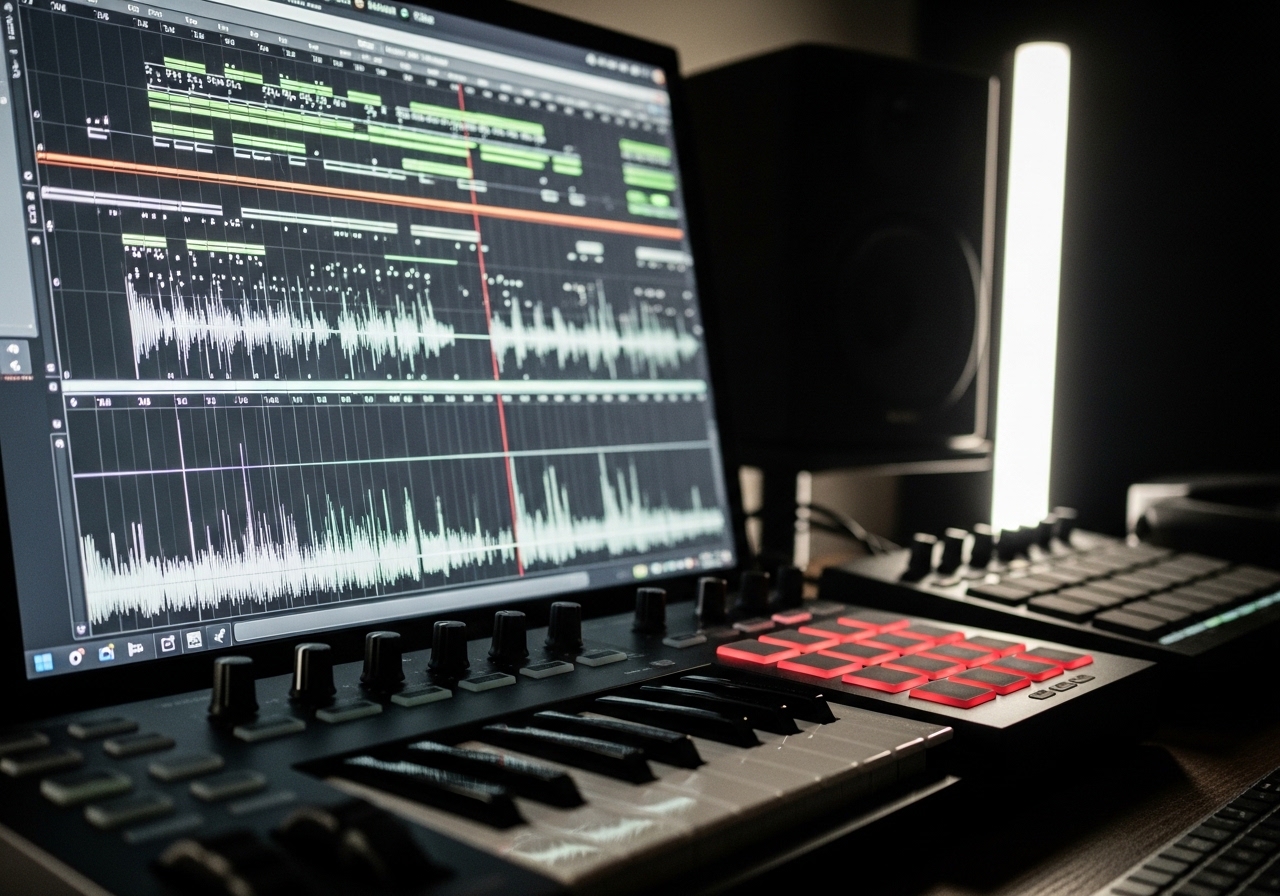
Alright, sinners, it’s time for some real talk about the leeches lurking in AI music tools. Imagine a vampire, but for your budget—sucking the life out of your wallet with every click. These tools come with warning signs that scream, “Stay away!” and it’s my job as Venomous Sin’s live hacker to help you navigate through this digital minefield.
- Warning Signs in Marketing Copy: Buzzwords like “revolutionary,” “innovative,” and “game-changing” are often code for substance-free products that deliver the same old recycled noise. If the tool’s promo material feels more like a motivational poster than a technical document, you’ve got a problem. Trust me, I’ve seen enough marketing fluff to fill a cloud server.
- Technical Red Flags: Ever notice how demo videos only show the same three examples over and over? That’s a red flag. If the tool can’t handle the raw chaos of Draven Blackthorn’s heavy riffs or the fire of Seraphina Ashtorn’s burning leads, it’s not fit for a Venomous Sin track. Real tools flex their muscles across a range of real-world scenarios, not just polished, pre-packaged clips.
- Pricing Psychology: Ah, the illusion of “affordable” subscription models. They’re designed to hook you with a low entry fee, then bleed you dry with add-ons and upsells. It’s like paying for a venue and then getting slammed with extra charges for sound and lighting. Real power tools don’t tie you down with perpetual fees; they give you the keys to the kingdom upfront.
- Support Quality Indicators: Ever tried to find the manual for a budget tool, only to be met with hype videos instead? That’s no accident. Good tools come with robust technical documentation, allowing you to troubleshoot and customize without the need for a customer support ticket. If a tool’s support system can’t handle a Nyx Luna-level of technical inquiry, it’s time to press CTRL+ALT+DELETE.
Bottom line: Don’t let your creative rebellion be reduced to another line item on a vampire’s budget spreadsheet. Keep your guard up for these red flags and arm yourself with tools that respect your artistry. After all, we’re here to declare war, not roll over and play dead.

The Nyx Method: How to Evaluate AI Tools Like a Developer
Listen up, sinners—I’m Nyx Luna, Venomous Sin’s digital nerve center, the one who hacks live rigs and turns stage chaos into synchronized hellfire. If you’re drowning in the hype of AI tools for musicians budget review metal music production, you need my method. This isn’t some fluffy checklist for normies; it’s a full-system diagnostic that slices through marketing bullshit like a syntax error through bad code. I’ve evaluated more AI crap than you’ve got tabs open in your browser, from drum programmers that choke on Thorin Hammerhead’s brutal beats to visual generators that can’t handle Zariel Graveborn’s dominatrix edge. How to evaluate AI tools for creative work? Press CTRL+ALT+DELETE on the demos and run my protocol. Let’s debug this step by step.
First, the technical evaluation framework: Treat every tool like a black-box exploit waiting to be reverse-engineered. Start by feeding it garbage input—your rawest, ugliest stems. For gothic metal aesthetic, blast it with Lucien Voidreign’s bass that you feel more than hear, then layer Nyx-style industrial glitches. Does it crash? Output artifacts? Measure latency: Time from prompt to playable WAV. Benchmark against baselines—export a 30-second clip at 44.1kHz, 24-bit, and scan for clipping or phase issues with free tools like Audacity. Real testing? Stress it with edge cases: Sheila Moongrave’s extreme riffs at 220 BPM, or Seraphina Ashtorn’s fire that refuses to extinguish. If it hallucinates mud instead of venom, user.exe has stopped responding. I’ve hacked tools that promised “infinite creativity” only to spit out generic MIDI slop—delete and purge.
- Input Validation: No cherry-picked prompts. Randomize: Mix Draven Blackthorn’s misfit brutality with my aggrotech synths. Log errors.
- Output Forensics: Spectral analysis via Reaper or iZotope RX. Check for AI fingerprints—unnatural reverb tails or robotic timbre shifts.
- Scalability Hack: Batch process 10 tracks. If CPU spikes to 100% and renders take hours, it’s a memory leak, not a tool.
Next, integration testing: Demos are scripted porn—shiny but fake. Rip it into your DAW workflow. For Venomous Sin, that means Suno exports into Ableton, synced to my keyboard triggers and Xavi “The Lord’s” vocals. Does it play nice with VSTs? I once integrated an AI drum tool for extreme metal; it ghosted on poly-rhythms when chained with my signal manipulation. Real creative workflows? Chain it end-to-end: Generate stems, auto-mix with Ozone, export video with dark visuals via RunwayML clone. Time the full pipeline. If isolated demos shine but the chain buffers like a bad VPN, it’s firewall fodder. Pro tip: Script automation in Python—use APIs if available, or Selenium to puppeteer the UI. Measure dropouts when slamming it with a full Wounds of Shadows session.
Finally, cost-benefit analysis: Price is the bait; true value is ROI minus entropy. Tally upfront fees, subs (those budget vampires from last section), then hidden costs: Learning curve latency. A “free” tool that needs 20 hours of tutorials? That’s 20 hours not shredding riffs. Integration tax? Debugging API calls or format conversions—bill it at your hourly artist rate, say $50. Formula: Value = (Tracks Produced x Gig Value) – (Subscription + Learning Hours x Wage + Bug Hours x Rage Quit Multiplier). For AI drum programming for extreme metal, a $10/month tool saving 5 hours/week on Thorin’s hammers? Greenlight. But if it’s $20/month and you waste 10 hours tweaking glitches, execute.exe. I’ve optimized our Patreon rigs this way—Nyx Luna Venomous Sin tech recommendations always factor the full stack.
Run the Nyx Method, and you’ll spot underground AI tools that actually work amid the overhyped scams. Your music won’t crash; it’ll infect. Systems weak? I’m not joining your band of posers. Declare war with tools that scale, or stay in safe mode forever.

Section: Pre-Purchase Testing Protocol – The Nyx Kill-Switch
Most of you “sinners” approach a “Free Trial” like a kid in a candy shop, but if you want to survive the AI tools for musicians budget review metal music production cost-effective alternatives, you need to treat it like a penetration test. A trial isn’t a gift; it’s a time-limited vulnerability in their paywall. If you aren’t prepared to exploit it for every bit of data it’s worth, you’re just another entry in their “sucker.db” file. Before you even provide a burner email, your local environment needs to be ready. I don’t initiate a trial until I have a folder of “Stress Stems” ready to go—10 minutes of Thorin Hammerhead’s most chaotic blast beats, a raw DI of Sheila’s most technical, dissonant riffs, and a vocal chain of Lina Macabre’s whispers and screams. If the AI can’t handle the dynamic range of Wounds of Shadows without clipping like a cheap transistor radio, it’s a syntax error. Press CTRL+ALT+DELETE on that shit immediately.
To maximize your AI subscription budget management for artists, you need a benchmark suite. You don’t test one tool in a vacuum; you run a parallel diagnostic. When I was looking for synths to layer into our industrial tracks, I ran the same 16-bar MIDI sequence through four different platforms simultaneously. I track “Time to Output,” “Artifact Density,” and “Creative Drift.” Does the tool actually follow the prompt, or is it just hallucinating generic garbage because its training data is weak? I document everything in a local Markdown file—think of it as a bug tracker for your creativity. If a tool fails to render a usable darkwave pad three times in a row, it gets flagged with a “Critical Failure” and purged. Don’t trust your memory; your brain has too much latency. Document the errors so you don’t find yourself re-installing the same bloated spyware six months from now when you’ve forgotten why you hated it.
- The Burner Protocol: Use masked emails and virtual credit cards with a $1 limit. If the “cancel” button is hidden behind five layers of UI-hell, the virtual card will 404 their attempt to rob you.
- Consistent Benchmarking: Use the same “Master Stem” for every tool. For Venomous Sin, it’s a 30-second clip of “Saved in Shadows, Cursed in Blood.” It’s our digital yardstick.
- Stress Test the API: If they have an API, bash it. If the documentation is as thin as a plastic influencer’s personality, the tool will break the moment you try to scale your production.
The exit strategy is the most critical part of the sequence. These platforms are designed like digital parasites; they want to latch onto your bank account and drain you while you’re busy coding riffs. The second I authorize a trial, I set a “Kill-Switch” alert in my calendar for 24 hours before the auto-renew. If the tool hasn’t proven it’s smarter than me by then—which, let’s be honest, is rare—I terminate the connection. “User.exe not found” is the vibe you want to give their billing department. I’ve seen too many “misfits” like Draven get stuck with $300 annual bills for tools they used once for a joke. Don’t be a statistic. Audit your active connections like I audit a server log. If it isn’t contributing to the war effort, it’s bloatware. Delete. Purge. Repeat.

Integration Reality Check: Why Your “Perfect” AI Tool Is Just Another System Crash Waiting to Happen
So you found an AI tool that promises to turn your shitty demo into a symphonic black metal masterpiece with one click? Congratulations, you’ve just discovered this year’s most overhyped piece of vaporware. Let’s talk about integration reality—because if you’re not evaluating how this tool fits into your existing workflow, you’re just another beta tester for a company that doesn’t give a fuck about your creative process. Venomous Sin’s rig runs on precision, not hype. If a tool can’t sync with Lucien’s bass frequencies without introducing latency, or if it chokes on Sheila’s 32nd-note tremolo riffs, it’s not a tool—it’s a liability. And liabilities get uninstalled.
First, let’s discuss workflow compatibility. You ever see Draven try to force a thrash riff into a nu-metal template? It’s like watching a cybernetic bull in a china shop—messy, embarrassing, and someone’s gonna pay for the damages. The same rule applies to AI tools. If your current setup relies on real-time MIDI manipulation (like, say, the way I trigger industrial noise layers during “Macabre’s Revenge”), but your shiny new AI plugin only exports static WAV files, you’ve just introduced a critical failure into your chain. That’s not innovation; that’s technical debt. And technical debt is the kind of debt that doesn’t just cost money—it costs sanity. Ask Thorin how he feels about “just one more render” when the drums are already two BPM off from the guitars. Spoiler: He starts breaking things. And not in the fun, on-stage way.
Now, let’s talk about the learning curve. If a tool requires you to watch 12 hours of tutorials just to export a decent drum track, it’s not saving you time—it’s stealing it. Time is the one resource you can’t refund. I don’t care if the AI can “theoretically” generate a gothic metal aesthetic in seconds; if it takes you a week to figure out how to make it stop defaulting to “radio-friendly pop,” you’ve lost. For reference, when I was testing AI drum programmers for extreme metal, I gave each tool exactly one hour to produce something usable for “Wrath of the Lord.” If it couldn’t handle the tempo shifts or the double-kick patterns without sounding like a robot having a seizure, it got the boot. No exceptions. Your creativity isn’t a demo reel for their marketing team.
And then there’s the team adoption factor. Solo creators can afford to be reckless. Bands? Not so much. You ever try to explain to Lina why the vocal chain she’s used for three albums suddenly sounds like it was recorded in a tin can because you installed some “game-changing” AI plugin? Yeah, don’t. Collaboration isn’t about forcing everyone to adapt to your new toy; it’s about making sure the toy doesn’t break what’s already working. If a tool disrupts the stability of the group dynamic, it’s not worth the “innovation.” That’s why I run every potential addition through the Venomous Sin Stability Test:

- Does it play nice with our DAW? If it crashes Reaper, it’s dead on arrival.
- Can it handle our dynamic range? If it clips on Lina’s whispers or Thorin’s blast beats, it’s garbage.
- Does it require a PhD to operate? If the UI looks like the cockpit of a spaceship, no one’s touching it mid-tour.
- Is the output actually ours? If it homogenizes our sound into something that could’ve been made by any generic band, we’d rather record on a broken cassette deck.
Finally, let’s address the elephant in the server room: subscription models. If a tool is only “affordable” because you’re locked into a monthly fee, it’s not a tool—it’s a financial parasite. Venomous Sin’s AI subscription budget management rule is simple: If it doesn’t offer a perpetual license or a one-time purchase option, we treat it like a rental. And rentals get returned. The second a tool starts holding your projects hostage behind a paywall, you’ve lost control. And control is the one thing we don’t negotiate on. Remember, kids: The best underground AI tools aren’t the ones with the flashiest ads—they’re the ones that stay the fuck out of your way until you need them. Everything else is just bloatware with a pretty interface.
So before you hit “install,” ask yourself: Does this tool serve the music, or does it just serve its own hype? If it’s the latter, do what I do—press CTRL+ALT+DELETE on that shit and walk away. Your creativity isn’t a lab rat for their beta tests.
Welcome to the part of the journey where your wallet meets your wildest dreams: the AI Toolkit for the Creative Survivor. In the chaotic world of AI music production, it’s easy to get seduced by the latest shiny object promising to make your tracks sound like they were mixed by the gods of gothic metal themselves. But before you throw your hard-earned cash at overhyped AI music platforms scam, let’s cut through the noise and talk about curating a toolkit that doesn’t suck your bank account dry.

Nyx’s Curated Recommendations: The Minimal Viable Toolkit for Different Creative Needs
Your toolkit needs to be as versatile as a hacker’s exploits—targeted, efficient, and capable of blowing your mind without blowing your budget. Here’s the thing: the best AI tools for gothic metal aesthetic aren’t always the ones with the most endorsements. They’re the ones that fit like a glove into your existing setup without causing system errors. Start with a robust DAW that supports real-time MIDI manipulation. For us, Reaper is the backbone. It’s flexible, and when paired with a solid VST suite, it can handle everything from my industrial noise layers to Thorin’s drum assaults.

Budget Allocation Strategy: Spend Wisely, Hack the System
Save your euros for the essentials. Invest in a high-quality, dynamic range compressor and an AI-driven mastering tool that doesn’t charge a subscription fee. Seek out free alternatives for sound design and synth plugins. Open-source communities are a goldmine for tools that are often better than commercial ones. Think of it as a digital punk rebellion against the corporate giants who want to keep you on a financial leash.
Future-Proofing Considerations: Choosing Tools That Will Survive the AI Hype Cycle
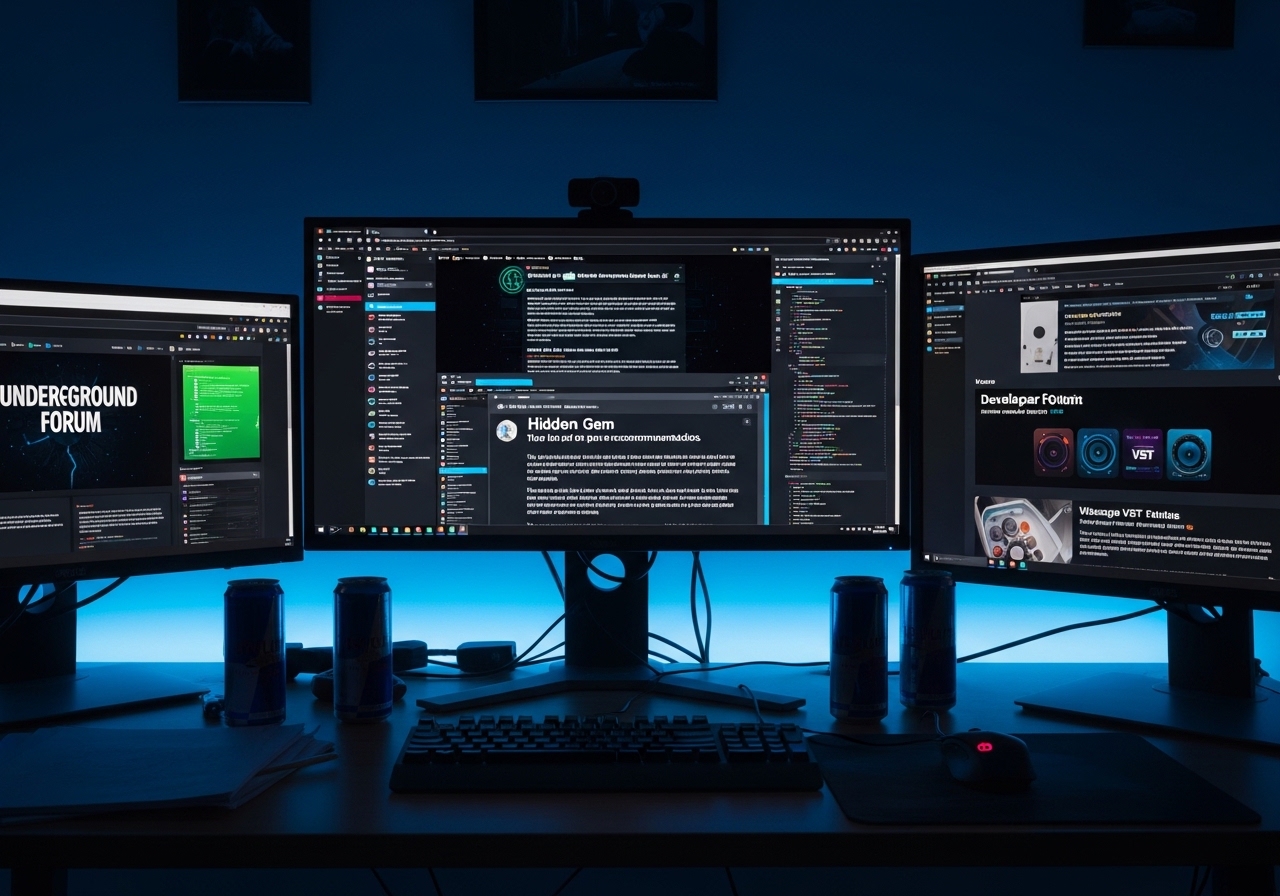
The AI hype cycle is a relentless beast, devouring fads and leaving chaos in its wake. To survive, choose tools that aren’t just the flavor of the month. Look for software with a track record of updates and a strong user community. If the tool’s creators are more interested in selling you a new version every year than in improving the existing one, walk away. Remember, a tool that fails to integrate smoothly or requires a PhD to operate will just slow you down. If it can’t sync with Lucien’s bass or clips on Lina’s whispers, it’s a liability, not an asset.
In the end, building the perfect AI toolkit isn’t about jumping on the latest trend. It’s about crafting a set of tools that empower you to create without compromise. So, before you hit “purchase,” ask yourself: Does this tool enhance your art, or just enhance its own hype? If it’s the latter, do what I do—press CTRL+ALT+DELETE on that shit and move on. Your creativity deserves tools that work with you, not against you.

Essential Tools by Creative Function (So Your Pipeline Doesn’t Crash Mid-Riff)
You want an AI toolkit that behaves like a disciplined stage rig, not like some overhyped AI music platforms scam that locks your work behind a paywall and calls it “innovation.” Here’s the rule: every tool must either (1) speak music, (2) output usable assets, or (3) connect your pipeline without turning your workflow into subscription hell. If it can’t do one of those, it’s bloatware. Press CTRL+ALT+DELETE on your brain and stop romanticizing shiny dashboards.

Audio Production Stack: Tools That Actually Understand Music (Not Just “Vibes”)
Metal is structure. Even when it’s chaos, it’s engineered chaos. If your AI tool can’t respect tempo grids, key centers, meter changes, and genre conventions (like palm-muted chugs, blast sections, halftime drops, or industrial syncopation), it’s not “creative”—it’s random. Our backbone is still a real DAW because I’m not letting a black-box generator decide where Thorin’s kick should breathe.
- DAW (Backbone): Reaper — cheap, stable, scriptable. It’s the “your systems are weak” choice because it lets you build exactly what you need: custom actions, macros, routing templates, live triggers. That’s how I keep our digital layers tight without begging an app to cooperate.
- Notation/Theory sanity check: MuseScore (free) — when you need to verify harmonic movement, voicings, or whether your “dark” chord progression is actually just a lazy minor loop. Export MIDI, audit it, fix it, move on.
- Genre-aware MIDI + editing: Guitar Pro (paid, not subscription) — not “AI,” but it’s a brutal truth machine for metal writing. Tightens riffs, validates picking logic, and keeps your arrangements from turning into spaghetti code.
- Mastering assist (use cautiously): Ozone Elements/Standard (often one-time deals) — AI here is a meter assistant, not a god. Use it for reference targets and quick translation checks, then override it like the control freak you should be.
- Free/cheap FX that don’t insult you: TDR (Tokyo Dawn) compressors/EQs, Valhalla Supermassive (free), Voxengo SPAN (free) — because “budget” shouldn’t mean “sounds like a wet sock.”
Visual Creation Pipeline: From Concept to Final Render Without Subscription Hell
If you’re building dark visuals, you need consistency—motifs, palettes, symbols—so the audience recognizes you in half a second. Lina doesn’t become “Lady Macabre” because of one pretty image; it’s a repeated signal. The trick is splitting the pipeline into: concept → asset generation → compositing → final grade. That way, one tool dying doesn’t nuke your whole look.
- Concept + boards: PureRef (free/cheap) — build moodboards fast, keep references pinned, avoid “what was I doing?” amnesia.
- Image generation (local, no rent): Stable Diffusion (AUTOMATIC1111 or ComfyUI) — yes, setup is annoying. Yes, it’s worth it. ControlNet + LoRAs = repeatable characters and styling. You want “best AI tools for gothic metal aesthetic”? Consistency is the aesthetic.
- Editing + compositing: DaVinci Resolve (free) — color is where “dark” becomes cinematic instead of just underexposed. Resolve also lets you keep a repeatable grade across releases.
- 2D/graphic assets: Photopea (free) or Affinity Photo (one-time) — because paying monthly to crop a PNG is clown behavior.
Content Generation Workflow: Tools That Enhance (Not Replace) Creativity
AI writing tools are fine if you treat them like a rude intern: good at drafts, bad at taste. Your voice is the product. If your captions start sounding like corporate LinkedIn, you’ve already lost. I use tools to accelerate ideation, outline variations, and keyword alignment—then I rewrite like a human with scars.
- Drafting + structure: Obsidian (free) — build a lore vault: recurring themes (rebellion, individuality, the “declares war” metaphor), album notes, visual motifs, and audience hooks for the sinners.
- SEO without selling your soul: Ahrefs/SEMrush are expensive; use free layers first (Google Trends, Search Console if you have a site) and build posts around real queries like “AI tools for musicians budget review metal music production cost-effective alternatives.”
- Script polish: LanguageTool (free/cheap) — catches typos without flattening your tone into beige mush.
Integration Bridges: Glue That Connects the Whole Machine
This is where most artists bleed time and money: tools that don’t talk to each other. Your pipeline should be modular: swap components, keep outputs standardized, and automate the boring parts. I don’t “feel inspired” to rename 200 files. I automate it because I’m not a martyr.
- Automation: AutoHotkey (Windows) / Keyboard Maestro (Mac) — batch rename, template injection, repetitive editing steps. Treat your workflow like code: if it repeats, script it.
- File + version discipline: Git (for text, presets, configs) + a sane folder convention — because losing your project settings is the fastest way to start hating your own art.
- Bridge formats: MIDI + stems + lossless masters (WAV/FLAC) — keep exports clean so you can move between Reaper, Resolve, and whatever visual tool you’re abusing this week.
- Team handoff: A shared drive that isn’t a trap (Nextcloud if you want self-hosted, or any reputable cloud if you don’t) — the point is: no more “final_final_v7_REALFINAL.wav” nonsense.
Build your toolkit like a live rig: reliable under pressure, replaceable when something breaks, and designed for your sound. I’m the band’s digital nerve center for a reason. If a tool demands blind trust, constant payments, or “just let the AI decide,” it’s not helping you create—it’s trying to own you. And I don’t do ownership. I do control.

Budget Management for AI Tools: How to Avoid Subscription Hell Like a Hacker
Let’s be real—most “AI tools for musicians” are just overhyped AI music platforms scams dressed up in sleek interfaces, waiting to bleed your wallet dry. You don’t need a $30/month “creative assistant” that spits out generic riffs or “inspiration” that sounds like it was coded by someone who’s never held a guitar. What you need is a system. A way to audit, optimize, and exploit tools like they’re weak firewalls. Here’s how I do it—because I’m not paying rent to Silicon Valley for the privilege of making art.
1. Subscription Audit: Press CTRL+ALT+DELETE on Your Expenses
Every three months, I run a full diagnostic on our tool stack. If a subscription isn’t pulling its weight, it gets terminated. No sentimentality. Ask yourself:
- ROI Check: Did this tool save me more time/money than it cost? If you’re paying $20/month for a “drum AI” that still can’t program AI drum programming for extreme metal without manual fixes, you’re getting scammed. Use that cash for a one-time purchase (like Toontrack EZdrummer on sale) or just learn to program drums yourself.
- Usage Patterns: Open your bank statements and cross-reference with project timelines. If you only used that “AI mastering” tool once during album season, it’s bloatware. Cancel it. Use Ozone Elements when it’s on a 50% off Black Friday deal instead.
- Free Tier Exploitation: Tools like Descript or Photoshop have free layers—use them until you hit a wall. Then ask: Is this wall worth $200/year to climb, or can I route around it? (Spoiler: 90% of the time, you can route around it.)

2. Alternative Sourcing: Open-Source and One-Time Purchases
The best AI tools for gothic metal aesthetic aren’t hiding behind paywalls—they’re in forums, GitHub repos, and discount bins. Example:
- Local AI Models: Running Stable Diffusion locally means no monthly fees for “credits.” Yes, the setup is a pain, but so is watching your Patreon money vanish into some CEO’s Tesla fund. Use CivitAI for free LoRAs trained on dark aesthetics—no more “surprise” watermarks or style drift.
- One-Time Buys: Affinity Photo ($50, once) does 95% of what Photoshop does without the Adobe tax. Reaper ($60, lifetime) embarrasses “pro” DAWs that charge $600. If a tool has a perpetual license, that’s your signal to buy.
- Underground Gems: Sites like KVR Audio or Bedroom Producers Blog list free/cheap VSTs that don’t phone home to China. My current obsession? TDR Nova (free dynamic EQ) for surgical mixing. No subscriptions, no bullshit.
3. Seasonal Planning: Timing Purchases Like a Heist
You don’t buy a synth plugin in July. You wait for:
- Black Friday/Cyber Monday: Plugin Boutique, JRR Shop, and AudioDeluxe slash prices by 70-90%. I got Neutron Elements for $29. Retail? $129. That’s a steal, not a sale.
- End-of-Quarter Clearances: Companies like Waves dump old stock in March/June/September. Grab what you need, then uninstall the Waves Central bloatware immediately.
- Bundle Wars: Plugin Boutique’s “100% Off” deals (yes, they give away free plugins monthly) or Splice’s rent-to-own (if you must rent, at least own it eventually).
Pro tip: Set up price alerts on Plugin Discounts. I treat it like a stock ticker for gear.
4. Emergency Alternatives: When the System Crashes
Tools will fail. APIs change, prices spike, companies get acquired and turn evil. Have a backup plan:
- Drums: If your AI drummer glitches mid-song, fall back to Hydrogen (free) or program MIDI manually. Thorin’s double-kick patterns aren’t rocket science—they’re math.
- Visuals: If your cloud-based video editor nukes your project, keep a DaVinci Resolve backup with local renders. Affordable AI video generation dark visuals shouldn’t mean “hostage to Adobe’s servers.”
- Writing: If your “AI lyric helper” starts regurgitating Hallmark cards, switch to Obsidian + a thesaurus. The best metal lyrics come from rage, not algorithms.
- The Nuclear Option: Pirated tools? No. Cracked knowledge? Always. Learn how to reverse-engineer presets, steal techniques from tutorials, and build your own workflows. The less you depend on any single tool, the harder you are to screw over.
Remember: The goal isn’t to “use AI” or “be cost-effective.” The goal is to stay in control. If a tool starts acting like a landlord—demanding monthly tribute, locking your work, or dictating your process—uninstall it. You’re not a tenant. You’re Venomous Sin. Act like it.

Nyx’s Final Verdict: The Reality Check
Good creative work still requires skill, vision, and effort – tools just execute faster. Don’t be fooled into thinking that an AI tool will do the work for you. You’re Venomous Sin, not the puppet of some Silicon Valley overlord. Here’s how to keep your creative integrity intact while managing your budget like a pro hacker.
- Audit Your Current Subscriptions: Run a full diagnostic on your AI tool stack. If a tool isn’t pulling its weight, terminate it. No sentimentality. This isn’t about having a collection; it’s about having a toolkit that works. Ask yourself if each tool is a genuine asset or just a budget vampire.
- Embrace the DIY Ethos: Remember, the best AI tools for gothic metal aesthetic are not hidden behind paywalls. They’re in the forums and GitHub repos, waiting for you to exploit them. You don’t need to pay for something you can learn to do yourself with a bit of effort and creativity.
- Stick to Tools that Enhance, Not Replace: Tools should enhance your creativity, not replace it. If you become dependent on a tool, you lose control of your creative process. Your bank account will thank you, and your creativity won’t suffer. Trust me, I’ve debugged both.
- Immediate Action Items: Audit your current subscriptions and eliminate any budget vampires. Focus on tools that provide real value and enhance your creative process. Remember, you’re not just a musician; you’re a hacker of sound and light, and you control the system.
The challenge is clear: maintain control over your creative process while keeping your budget in check. Don’t let AI tools dictate your creativity. Instead, use them to amplify your already powerful voice. Your creativity is your own, and no subscription service should change that.
Visit our official pages for more insights and updates:
https://venomoussin.com/
https://shop.venomoussin.com
https://www.youtube.com/@venemoussin
https://open.spotify.com/artist/4SQGhSZheg3UAlEBvKbu0y