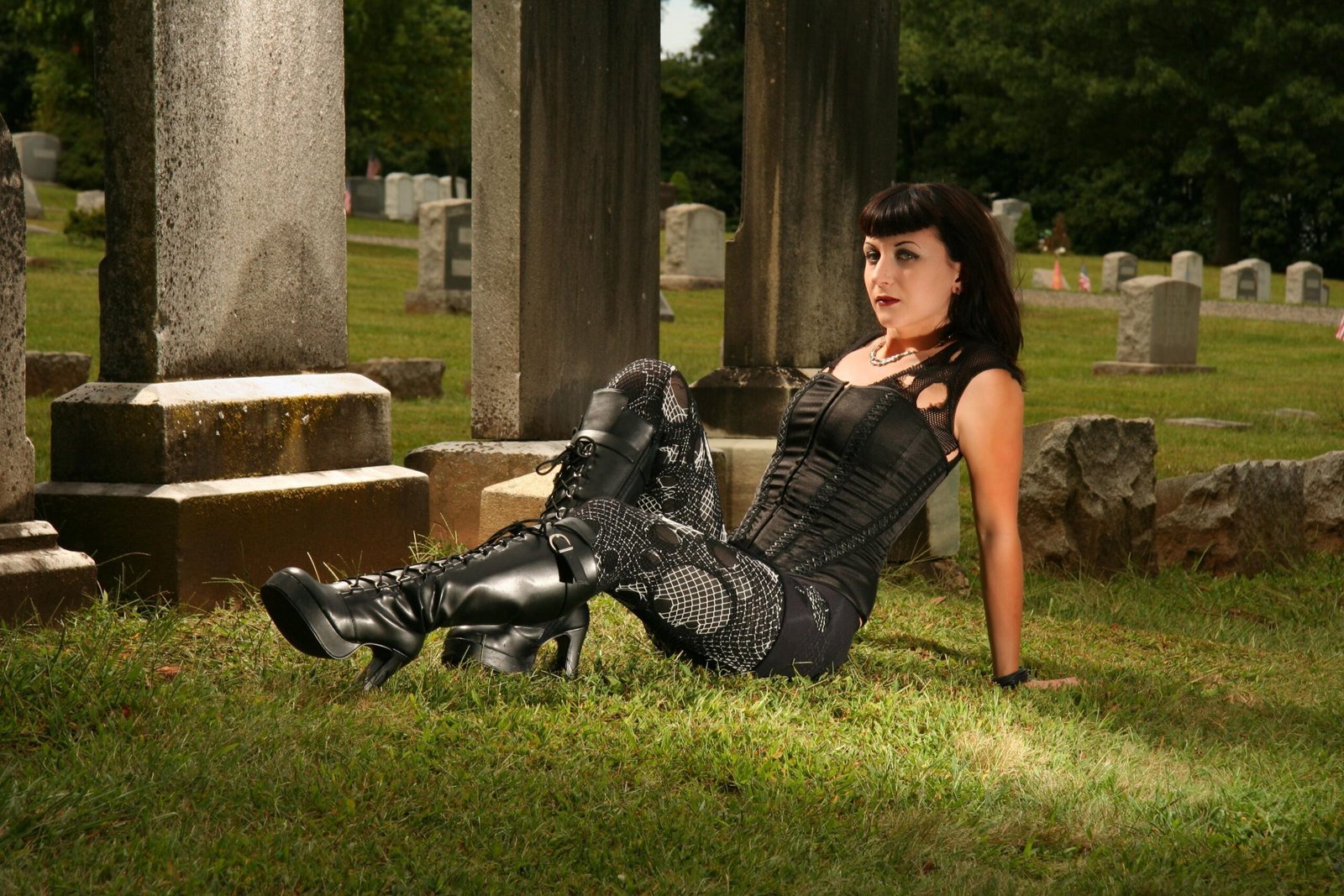
Have you ever wondered if those glamorous high heels could be hiding a dark, chaotic secret?
What if I told you the very shoes designed for elegance might possess an unexpected capacity for mayhem? Get ready to step into a surprising world where seemingly innocent stilettos unleash an extreme, untold story you won’t believe.
This isn’t a love letter to fashion—it’s an autopsy. Because under every red carpet, club floor, or catwalk lies the same truth: stilettos have always been weapons disguised as desire. And in metal and goth culture, we’ve never been shy about sharpening them.
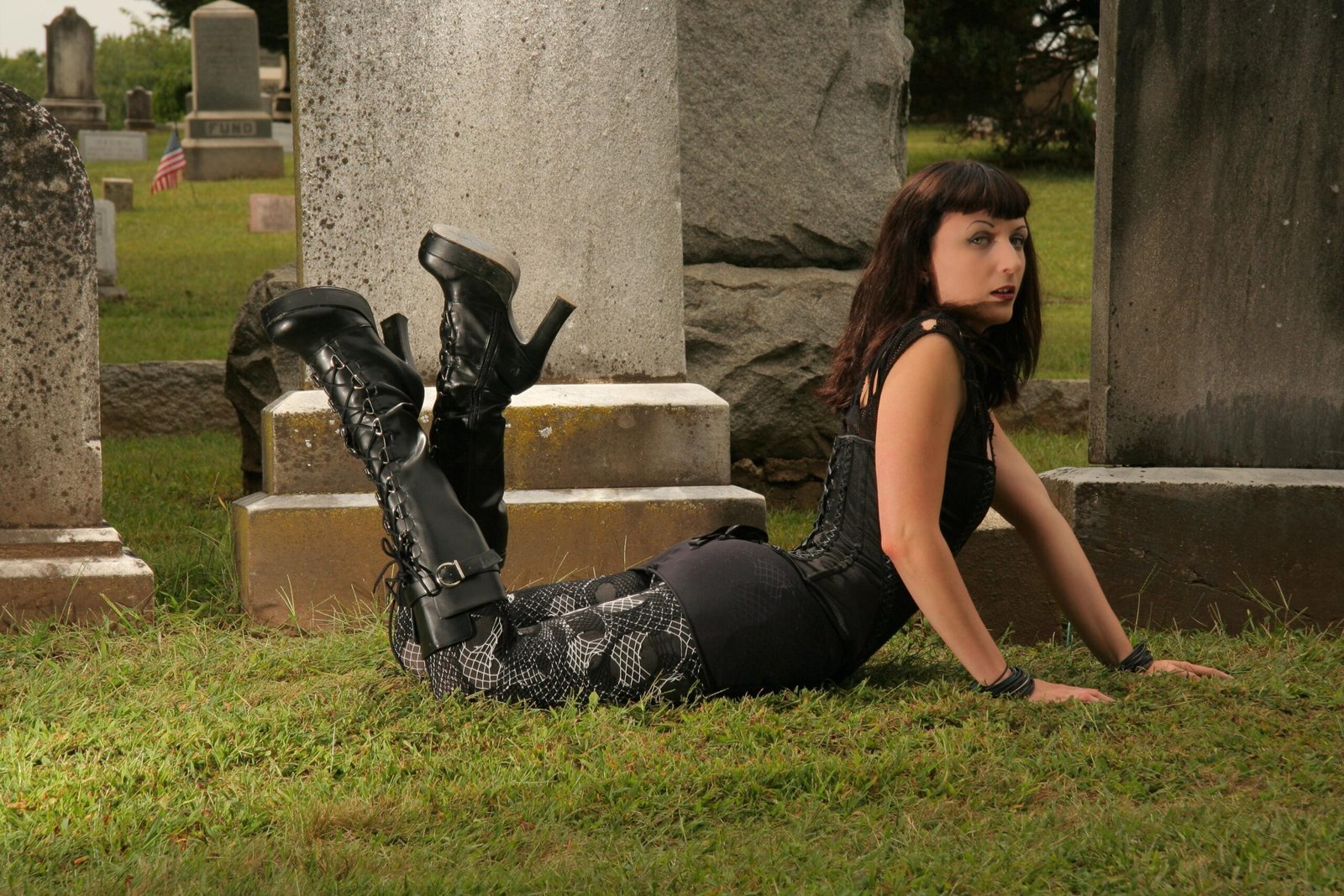
This is for the alternative crowd—the ones who know a pair of alternative fashion boots isn’t just footwear, it’s attitude. Goths, metalheads, fetish fashion lovers, dancers, and anyone who’s ever walked into a room and owned it in six-inch heels. You’re not reading this to learn how to “dress sexy.” You’re reading this to understand why the world still flinches when a woman walks in heels that could puncture a man’s ego—or his ribcage.

Elegant Ascent, Deadly Descent
The history of high heels as secret weapons in fashion didn’t start on the runway—it started on the battlefield. Persian cavalrymen wore heels to hook into their stirrups during combat. They weren’t symbols of femininity; they were tools of domination. Then Europe got its hands on the concept and, of course, made it about status and seduction.
Centuries later, those same design principles turned into fashion’s most deceptive object—tiny surface area, extreme balance, and lethal precision. The physics alone are fascinating. That tiny heel can exert more pressure than an elephant’s foot. Imagine that, every step delivering a subtle threat masked as elegance.
Viral clips prove this myth’s still alive. Red carpets turned into war zones when stilettos snapped mid-pose. There’s an infamous backstage clip of a model throwing her shoes after a near-fall that almost became a lawsuit. There are also the not-so-viral stories—women who’ve used stilettos for self-defense in parking lots, clubs, and back alleys. They’re not “crazy”; they’re resourceful. The stiletto is a cultural accident turned into an evolutionary advantage.
Fashion’s Unintended Fangs
Let’s talk about chaos. You’ve seen the headlines: “High heels that caused chaos on red carpets and runways.” Every time a celebrity faceplants, fashion’s dark humor resurfaces. Because here’s the thing—these accidents don’t just happen. They’re part of the ongoing war between beauty and physics.
The modern workplace hasn’t escaped this either. Countless office dress codes still demand heels under the banner of “professionalism.” Translation? You must suffer gracefully to be taken seriously. We’ve normalized foot pain, spine misalignment, and workplace injuries for aesthetic control. It’s not empowerment—it’s institutional fetishism.
And then there’s the mosh pit. You ever seen someone stage-dive in heels? It’s not pretty—it’s apocalyptic. I once watched a woman in platform stilettos accidentally take down two security guards because her heel got stuck in a speaker grille mid-swing. That’s not an outfit malfunction. That’s punk physics.
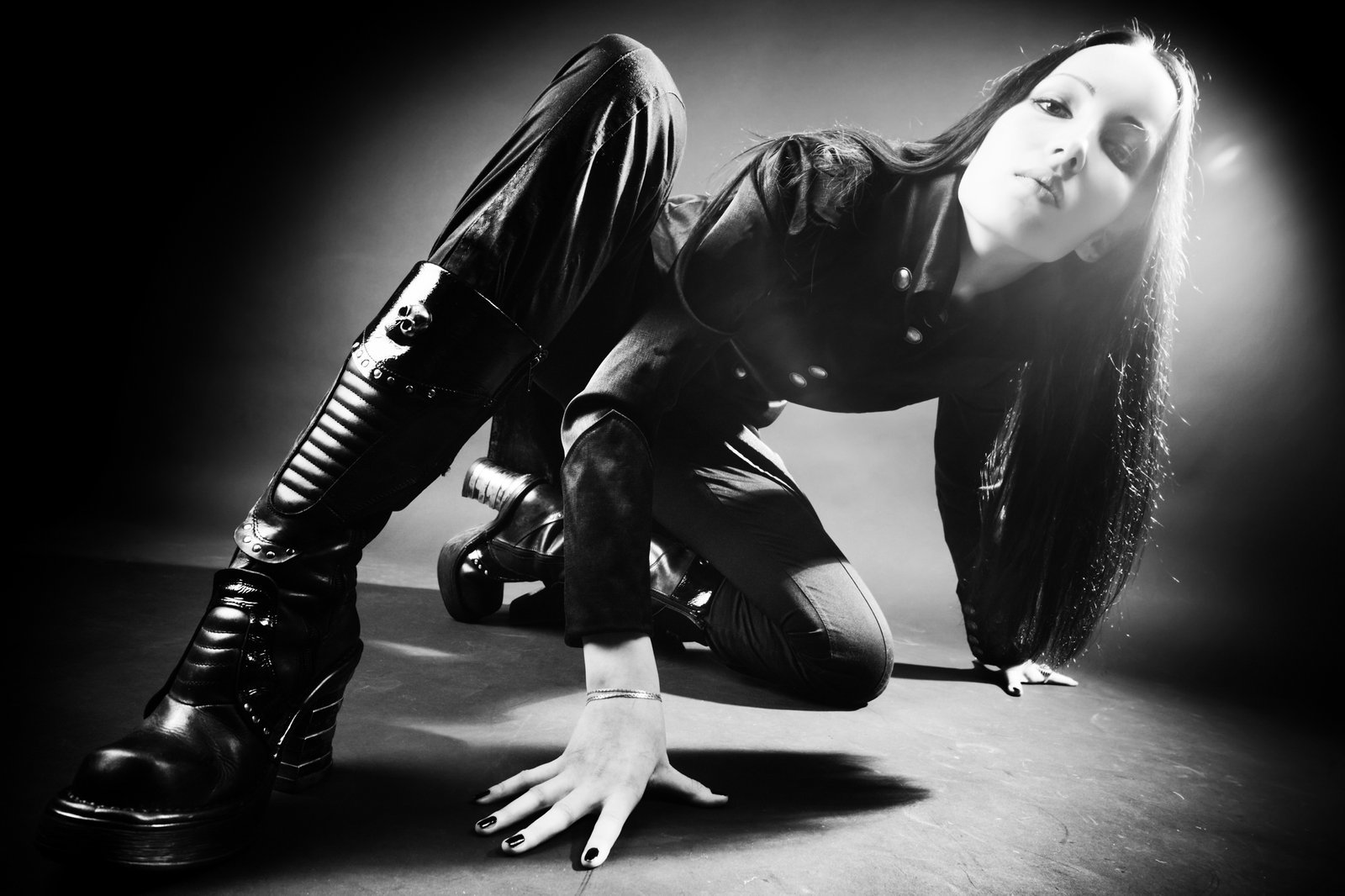
The “Stiletto Effect” in Pop Culture
The dark symbolism of high heels in movies and pop culture runs deep. They’re not just accessories—they’re signals. In thrillers and horror films, stilettos are often weaponized by femme fatales or final girls. Think of that scene in John Wick 3 where a ballerina trains en pointe under duress—that’s not grace, it’s conditioning.
Video game culture picked it up, too. Bayonetta—remember her? She literally fires bullets from her heels. It’s camp, but it’s also genius: exaggerated, sexualized violence turned into empowerment. Every time her heel clicks, you know someone’s about to die.
Even art photographers and fashion designers keep milking this paradox: pain equals beauty, and control equals allure. The heel becomes a symbol of what society fears most—female aggression presented as elegance.
Beyond the Bling: Real-World Accounts
There’s nothing glamorous about the emergency room stories tied to these shoes. ER doctors have a nickname for it: “the stiletto stab.” It’s when the heel punctures another person’s foot, leg, or even skull in rare bar fights. Yes, that’s real.
In 2013, a woman in Houston made headlines for allegedly using her stiletto to kill a man in self-defense. The case sparked global debate about “fashion as weaponry.” Suddenly, everyone had an opinion, from feminists to fearmongers. The irony? If she had used a kitchen knife, it would’ve been called survival. But because it was a heel—it became scandal.
That’s how society works: it forgives violence when it looks masculine and vilifies it when it’s beautiful.
Even outside of crime scenes, heels have caused literal chaos. Dancers slipping mid-performance, models breaking bones during shoots, fans at metal shows impaled by falling platform boots. One paramedic told me bluntly: “We get more injuries from fashion than from street fights.”
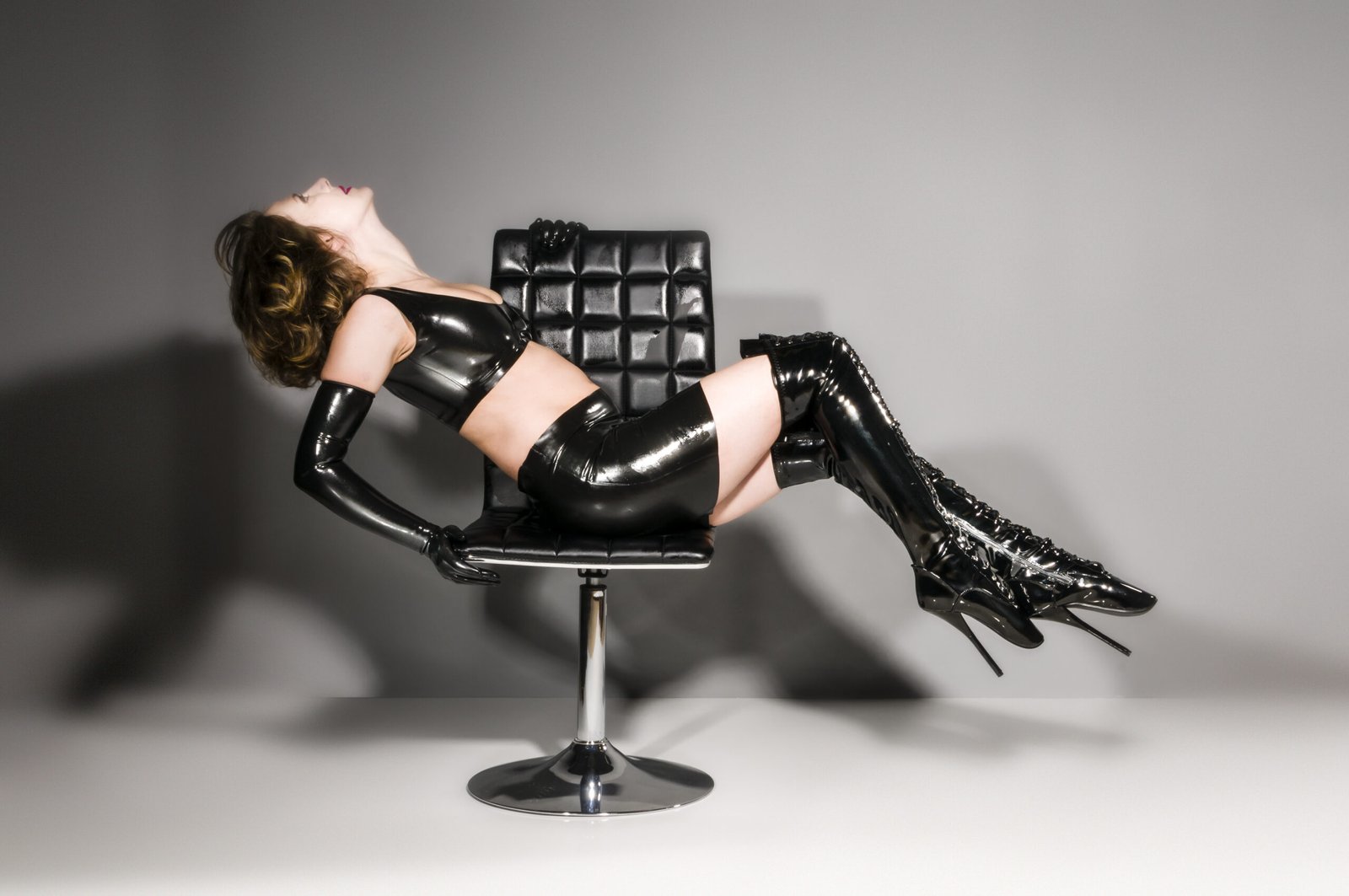
The Unseen Power Underfoot
Let’s get psychological for a second. Ever noticed how posture and dominance change when wearing stilettos? That’s not coincidence—it’s biomechanics mixed with centuries of conditioning. The elevated heel tilts the pelvis, arches the back, and forces the chest forward. It changes how you walk, talk, and even breathe.
That shift isn’t just physical—it’s perceived. People read dominance in posture. Heels command space. You’re not shrinking to fit in; you’re towering to remind them you don’t. Studies even show that wearing high heels affects assertiveness levels and social perception—people listen more when you stand taller.
But here’s the twist: the same tool that makes you powerful also punishes you for it. Pain is part of the performance. The fashion industry sells it as sophistication; goth and metal culture reclaim it as rebellion. We wear stilettos not to conform, but to mock the very system that uses them as control devices.
That’s why I call it stiletto slaughter. We’re not walking in pain—we’re walking through it.
Why People Romanticize Pain and Power Through Fashion
Let’s stop pretending pain in fashion is accidental. People romanticize pain because it’s honest. It’s the price of transformation. In alternative culture, we don’t hide that; we flaunt it. Every corset, every latex dress, every heel is a middle finger to comfort culture.
Pain, when chosen, becomes power. That’s why metal and goth aesthetics resonate so deeply. We’ve stripped away the polite version of beauty and replaced it with defiance. It’s not about “looking hot.” It’s about reminding the world that we’re unfuckwithable.

The Future: Can Safety Ever Be Sexy?
The future of footwear design is starting to flirt with practicality, but let’s be honest—safety rarely sells. Designers still chase danger because danger sells fantasy. Smart heels with balance support? They exist. But none of us in the goth or metal scene are trading our spiked boots for orthopedic pumps anytime soon.
Fashion’s obsession with dominance and pain won’t disappear—it’ll just rebrand. Maybe we’ll see 3D-printed steel stilettos that double as self-defense tools. Maybe someone will invent combat heels and call it empowerment 2.0. The point is: we’re not done breaking necks (literally and figuratively).
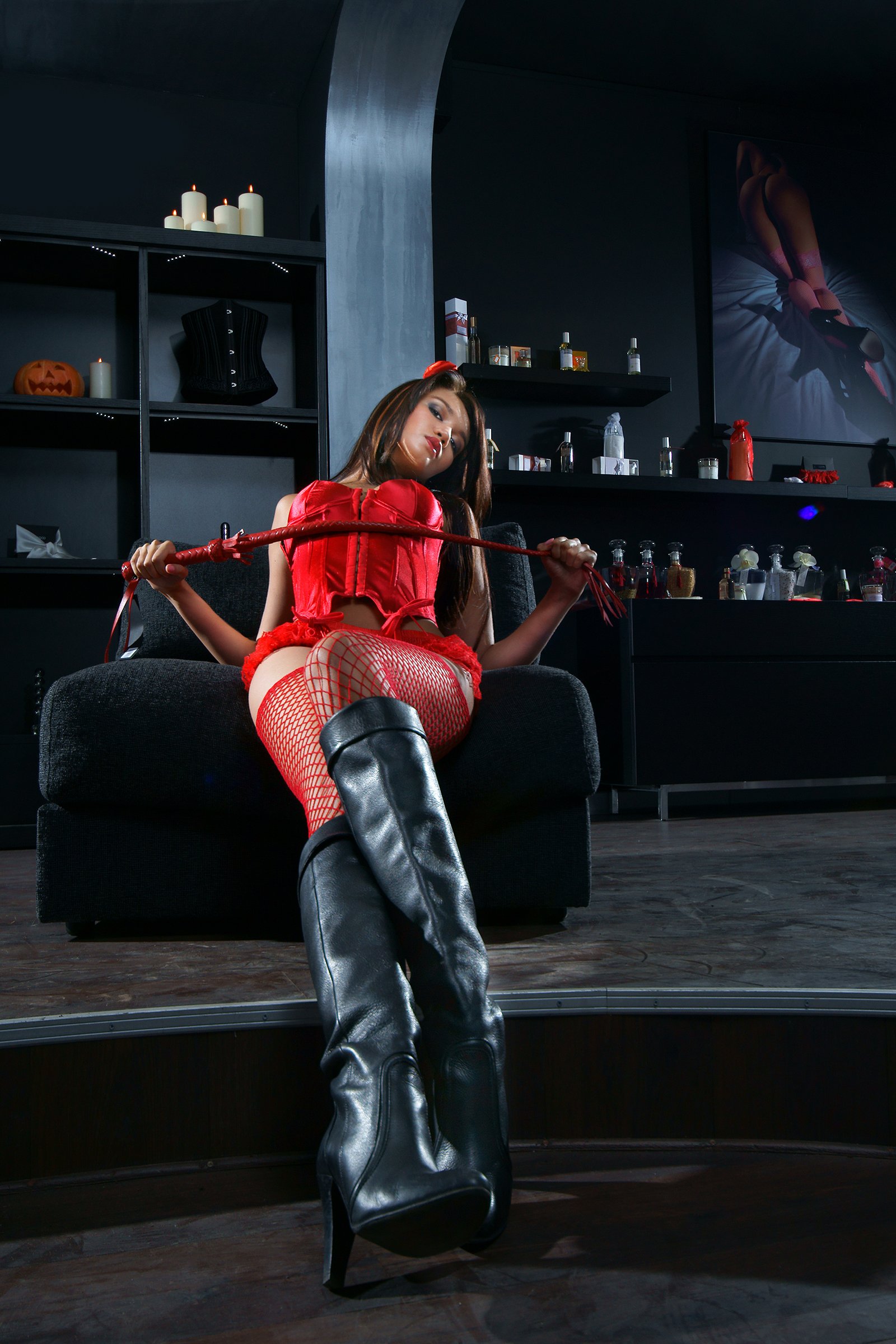
Final Thoughts: Beauty, Power, and the Paradox You Walk On
The stiletto isn’t just footwear—it’s a weapon, a statement, and a rebellion wrapped around your arch. Whether it’s a pair of alternative fashion boots stomping through a festival or blood-red stilettos gliding across a stage, the message is the same: don’t mistake fragility for weakness.
So next time you see someone in six-inch heels, don’t smirk. Understand that you’re looking at centuries of history, rebellion, and pure controlled chaos. Every step is a declaration of war against the system that said beauty should hurt—and every click of a heel is an echo of defiance.
🖤 If you made it this far, you’re already one of us.
Join the rebellion, explore the sound that built this mindset at:
👉 Venomous Sin Official Website
👉 YouTube Channel
👉 Spotify