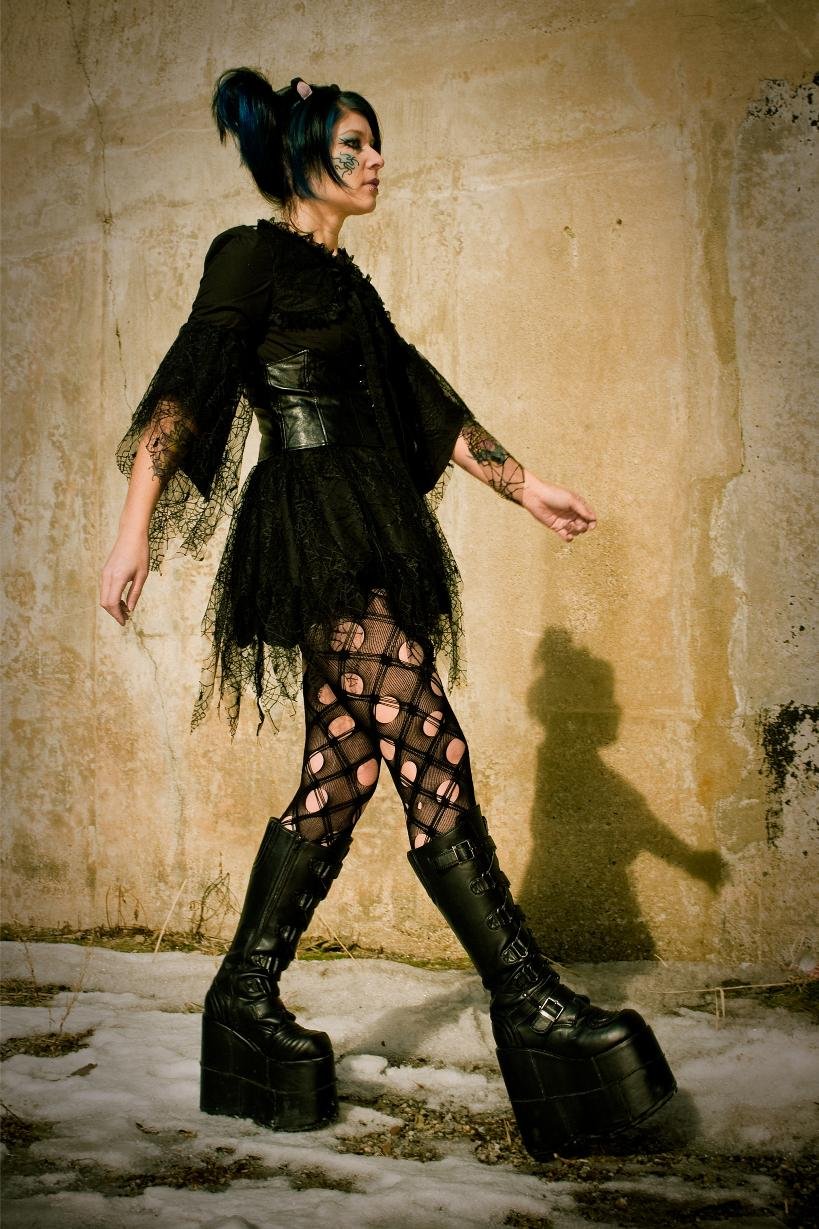
The goth skirt isn’t just fashion — it’s a declaration of war against conformity. From Victorian mourning wear to cyber-goth PVC rebellion, every thread has been soaked in defiance. The PVC skirt, in particular, has survived mockery, fetishization, and mainstream theft. And still — it stands, shiny and unapologetic, as the uniform of those who dare to refuse normalcy.
If you came here expecting another “five easy tips to look edgy,” close this tab and go buy a Zara knockoff.
This one’s for the outcasts who know the difference between playing goth and living goth.
Beyond the Black Veil: A Goth Skirt Origin Story
To understand how to wear PVC right, you first need to understand where it came from — and why it isn’t just a “sexy club look.” The roots go back to the collision between punk and post-punk rebellion. Punk started the fire — ripped, raw, and anti-establishment. Goth refined it — romanticized death, pain, and beauty until the aesthetic became its own language.
Those early goths weren’t chasing likes or sponsorships. They were scavengers of self-expression, turning thrift-store lace and military gear into wearable sarcasm. Their skirts weren’t designed to be flattering — they were designed to say “I don’t belong to you.”
The forgotten influence — horror cinema.
Here’s the part fashion influencers always skip. Early goth fashion wasn’t born from catwalks; it was raised on Nosferatu, Bride of Frankenstein, and The Cabinet of Dr. Caligari.
The exaggerated silhouettes, tight bodices, and dripping black fabrics weren’t “costume,” they were emotional armor. The historical horror cinema influence on early goth fashion gave us drama, tragedy, and beauty in decay.
So when you wear that PVC skirt, remember — it’s not cosplay. It’s lineage.
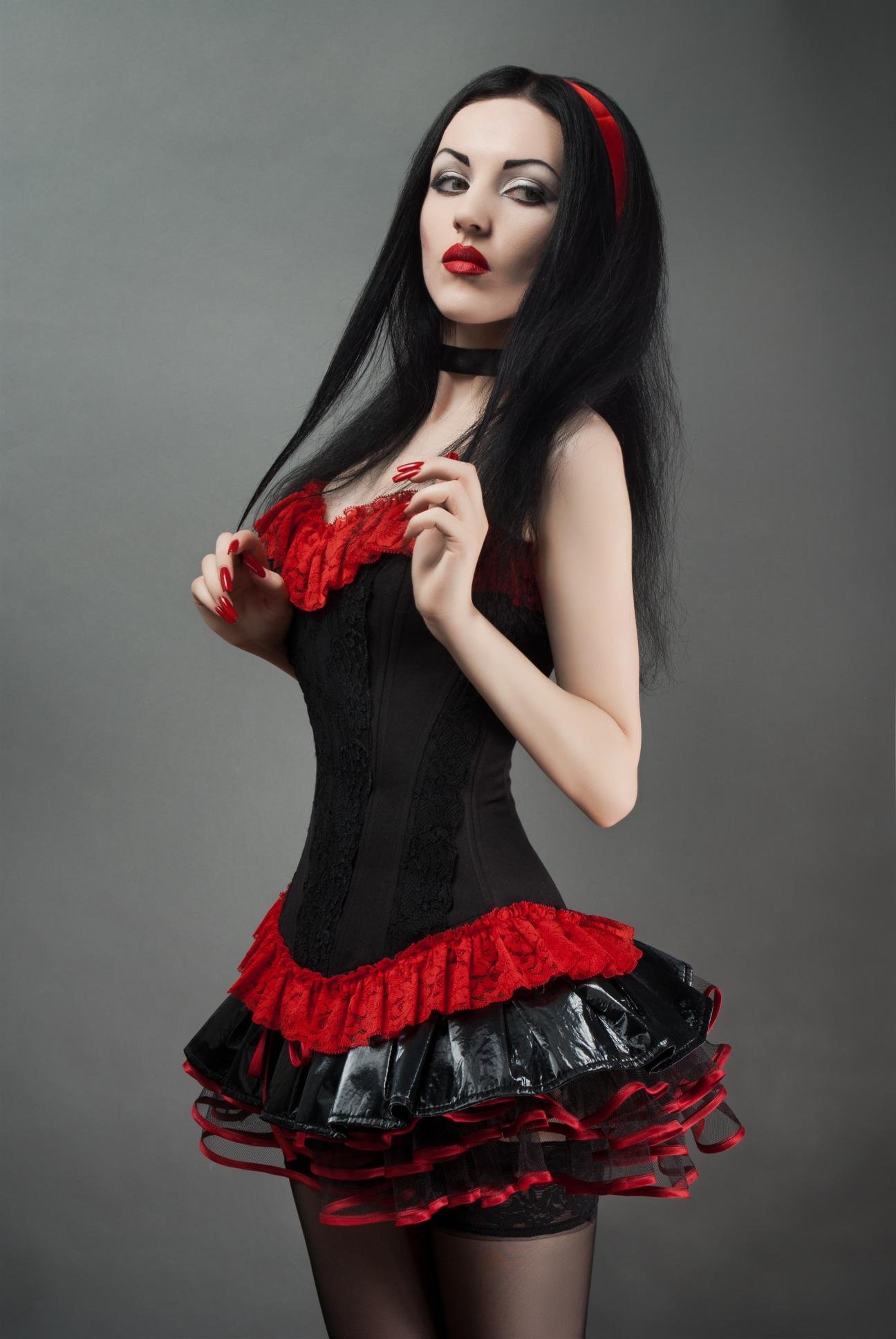
Crimson to Crinoline: The 80s Goth Skirt Explosion
Now, fast-forward to the 80s. London’s Batcave Club was the epicenter of controlled chaos. Lace, velvet, vinyl — skirts became weapons of self-creation. Siouxsie Sioux strutted like a gothic deity, rewriting femininity with every torn hem.
Bands like The Cure, Sisters of Mercy, and Specimen didn’t just influence music — they coded a visual identity. Their fans followed suit, turning club nights into catwalks of creative rebellion.
Goth skirts grew asymmetrical, layered, sometimes even dangerously long. They screamed individuality while still whispering, “You’ll never understand us.”
But even then, tension started creeping in. DIY vs. commercialism.
What began as handmade, thrift-born fashion started morphing into boutique-ready “goth collections.” And that’s where the poser problem started. The moment goth fashion became a product, it lost a piece of its venom.
Velvet and Vinyl: The 90s and Early 2000s Renaissance
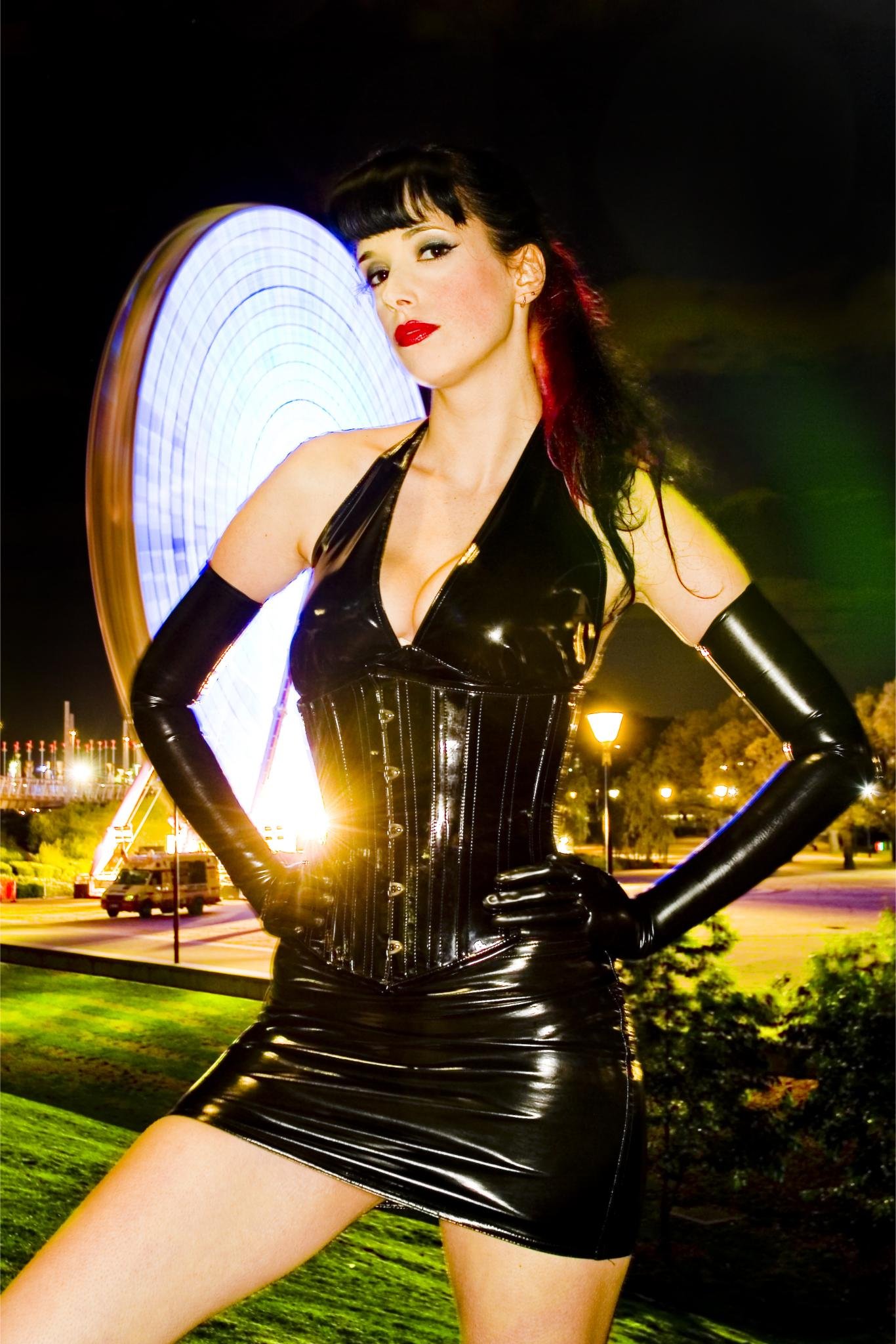
Enter PVC. It was hot, taboo, and sticky in every sense of the word.
When cybergoth and industrial fashion rose from the underground, PVC skirts became the symbol of rebellion with circuitry. Reflective, synthetic, and unapologetically artificial — they said, “I’m real enough to wear something fake better than you ever could.”
The best way to wear a PVC skirt without looking like a mainstream poser?
Own the discomfort.
PVC isn’t meant to be breathable or convenient. It’s meant to make a statement. Pairing it with a sloppy “Y2K aesthetic” top just kills the subcultural integrity. If your look could be worn by someone headed to Coachella, you’ve already failed.
This is where gothic fashion as a direct act of defiance resurfaces.
Real goths didn’t wear PVC to be sexy — they wore it to disturb the gaze that sexualized them. It was control reclaimed, fetish aesthetics weaponized.
And yes, mainstream fashion tried to copy it. Thanks, Britney. But here’s the difference: Goths wore it as armor. Pop culture wore it as decoration.
Steampunk to Streetwear: Goth Skirts in the Digital Age
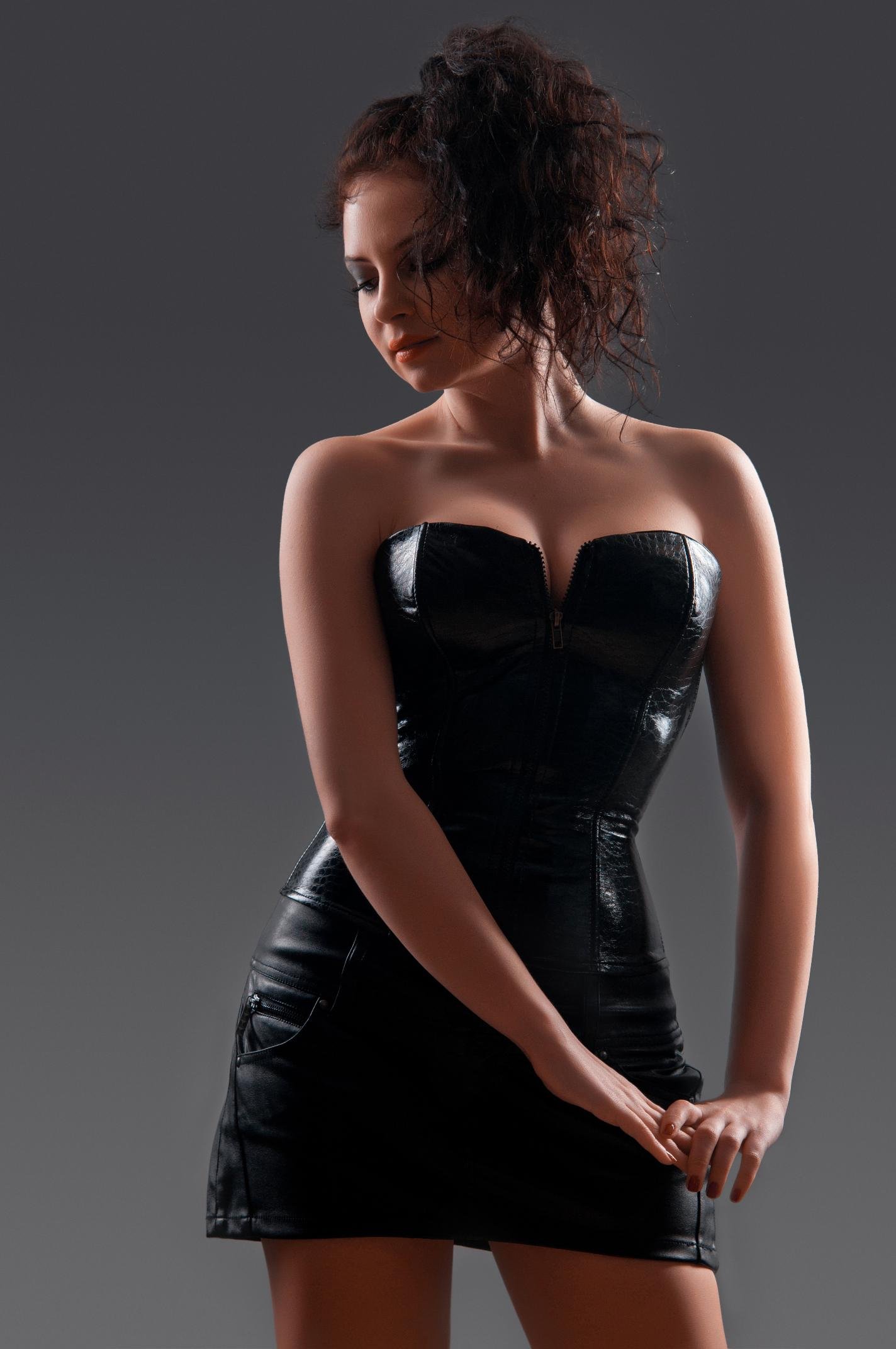
Fast-forward to now. Goth skirts — especially PVC ones — live in two worlds: the authentic underground and the TikTok-ified costume version.
The internet turned niche aesthetics into global trends, and now everyone with a ring light thinks they discovered “dark fashion.” Spoiler: you didn’t.
The authentic goth skirt still carries traces of the past — Victorian mourning, fetish rebellion, and cyber dystopia — but the mainstream versions flatten all of that into black pleather with zippers.
If you want to avoid looking like a mainstream poser, do this instead:
-
Mix textures: pair PVC with fishnet, mesh, or distressed velvet — not polyester crop tops.
-
Accessorize with intention: heavy boots, silver jewelry, collars. Skip the fast-fashion chokers.
-
Don’t color-match like an influencer. Goth isn’t symmetry — it’s imbalance with purpose.
-
Skip the fake “emo revival.” Emo style was emotional fragility; authentic goth skirt style is structured power. That’s the difference between emo and authentic goth skirt style — one collapses, the other commands.
And stop buying Hot Topic clones.
Real goth doesn’t come pre-packaged. Go vintage, go handmade, or go home.

The Future of Fringe: What’s Next for Goth Skirts?
PVC is evolving again — just like the subculture itself.
The future of goth fashion isn’t nostalgia; it’s hybrid rebellion. Expect digital couture, augmented reality overlays, and recycled materials that still shine like sin. Sustainable darkness is the next phase — eco-conscious, ethically made, but still dripping in attitude.
Platforms like Etsy and Depop are already seeing a rise in independent goth designers making PVC skirts that actually respect the culture. You can feel the craftsmanship — each piece says, “I was made by someone who gets it.”
Goth fashion isn’t dying — it’s mutating. And that’s the point. The second it stops evolving, it stops being defiance and becomes costume.
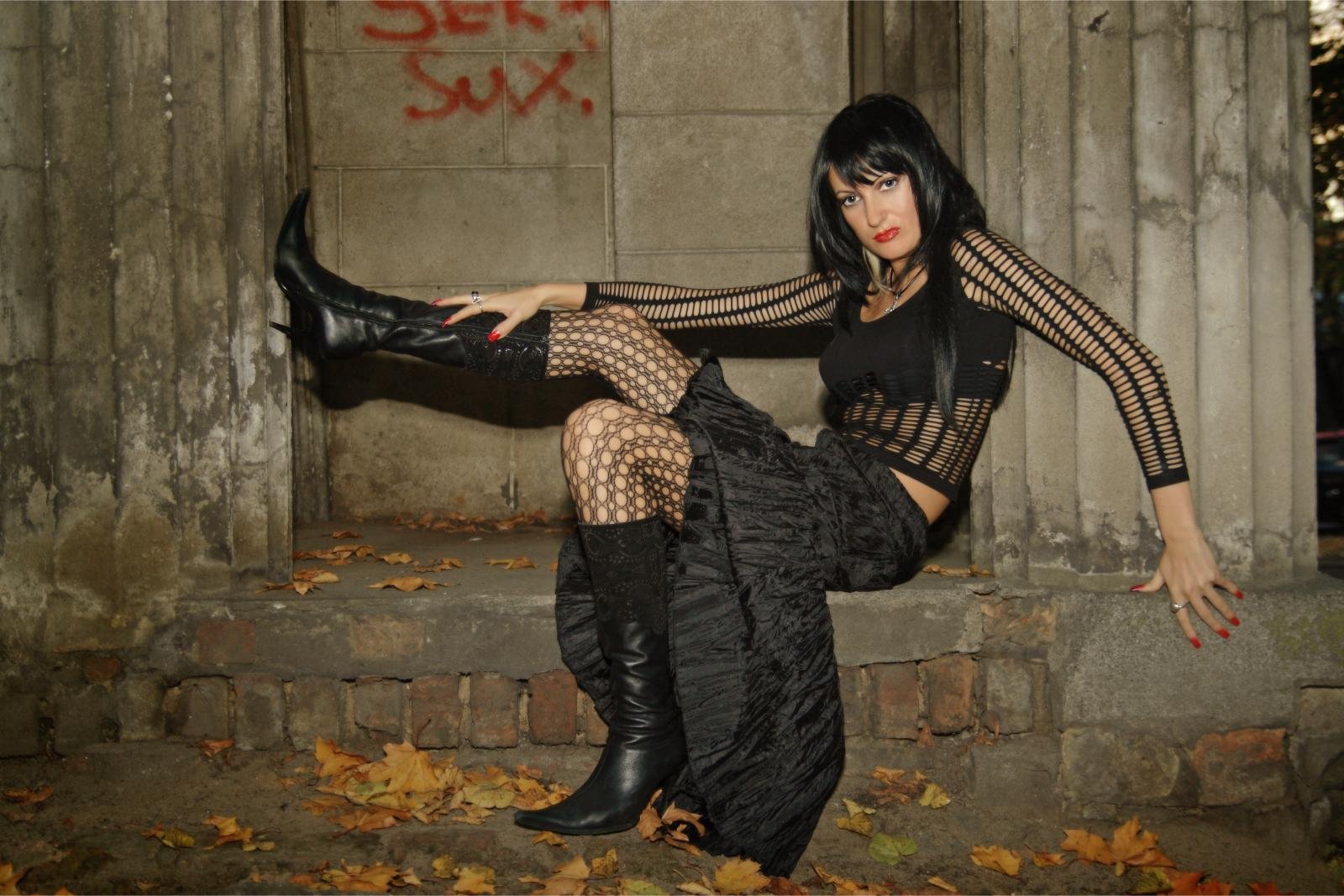
So… how do you wear a PVC skirt without looking like a mainstream poser?
-
Understand the roots. Know the history you’re wearing — punk, horror, fetish, and art.
-
Choose pieces that look deliberate, not decorative.
-
Reject trends. If it’s trending, it’s already dead.
-
Move like you mean it. PVC squeaks — let it. That’s your battle cry.
-
Remember: You’re not dressing to impress. You’re dressing to offend conformity.
Because that’s what goth always was — and still is — a rebellion in motion.

Stop buying poser skirts that pretend to be dangerous. Support independent creators. Learn your subcultural history.
And when you walk out in that PVC skirt — make it count.
Make them stare.
Make them uncomfortable.
Because real goth fashion isn’t about looking pretty.
It’s about looking powerful enough to make fake confidence tremble.
👉 Explore more rebellion and realness on our official site: https://venomoussin.com/
🎥 Watch our visual chaos on YouTube: https://www.youtube.com/@venemoussin
🎧 Stream our soundtrack to defiance on Spotify: Venomous Sin on Spotify