
Early on. A half-packed suitcase by the door. The sound of it clicking shut wasn’t loud—just final. No shouting. No dramatic slamming. Just the quiet hum of the apartment after, the kind of silence that presses against your ribs until you learn to breathe around it.
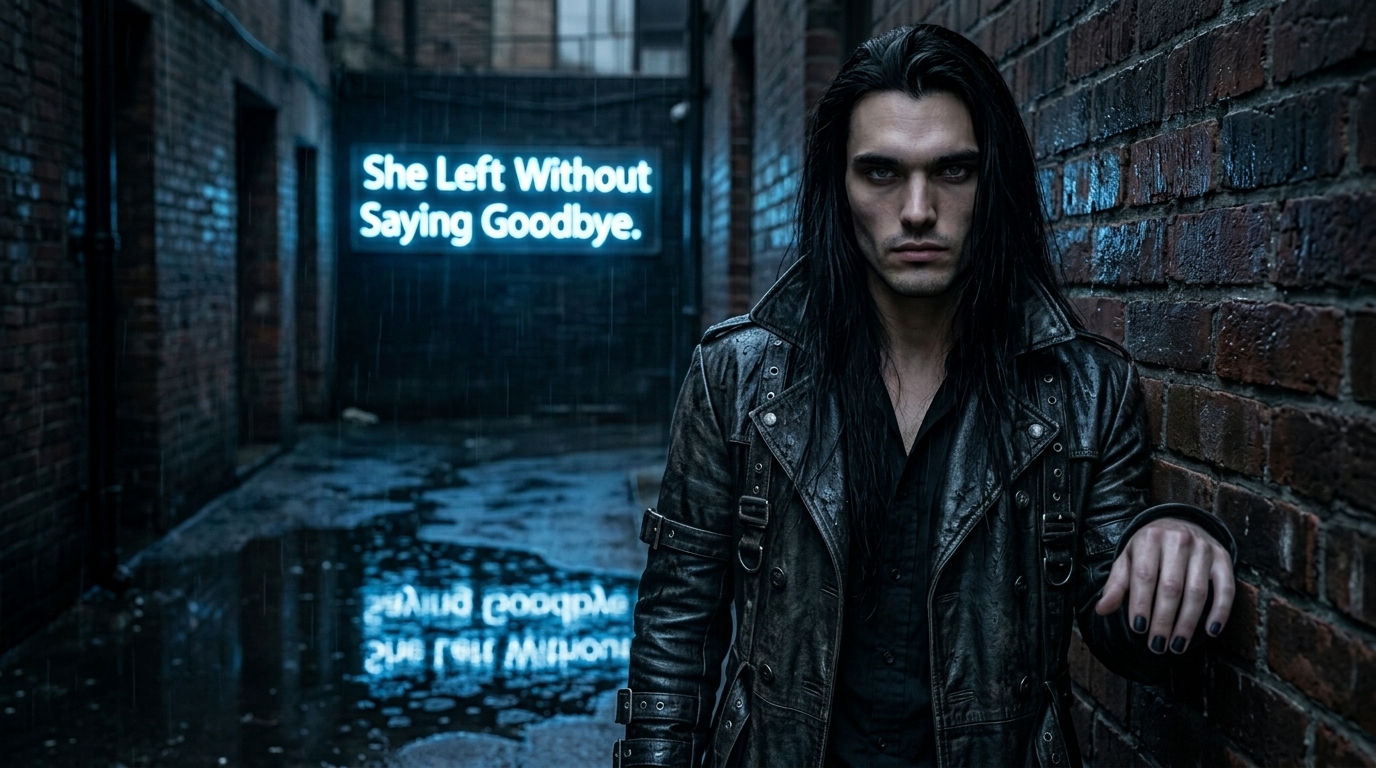
That was the day I understood: some wounds don’t scream. They settle. They become the air you move through, the weight you carry without flinching. People ask how I ended up like this—cold, structured, a man who treats emotions like classified intel. The answer isn’t in what happened after. It’s in what didn’t happen at all.
No one came. No explanations. No apologies. Just the slow realization that if I wanted to eat, to survive, to not become another statistic of a someone who cracked under the pressure, I had to build my own fucking walls. So I did. Brick by brick, rule by rule, until discipline wasn’t just armor—it was skin.
You learn things in that kind of quiet. How to move without making noise. How to listen for the things people don’t say. How to turn absence into a weapon. The military didn’t teach me discipline—I brought it with me. They just gave me a uniform and a reason to sharpen it. Structure wasn’t a choice. It was the only thing that kept the silence from swallowing me whole.
People call men like me “emotionally repressed.” They don’t understand the difference between repression and containment. I don’t lock things away because I’m afraid of them. I lock them away because I know exactly what they can do. Abandonment isn’t just a wound—it’s a lesson. It teaches you that trust is a liability, that comfort is a myth, and that the only person who will ever truly have your back is the one you see in the mirror.
That’s why the bass is the only thing I let speak for me. Four strings, no words. The vibrations travel straight through the chest, bypass the bullshit, and hit the things you’re not supposed to name. Music doesn’t ask for explanations. It doesn’t leave. It just is—raw, relentless, the only kind of honesty I still believe in.
To those who recognize this: you know the quiet I’m talking about. The kind that follows you into every room, every relationship, every moment you hesitate before letting someone see the cracks. You didn’t choose hyper-independence. It chose you, the second you realized no one was coming to save you. And now? Now you move through the world like a ghost who’s learned to throw punches—untouchable, not because you’re strong, but because you’ve already survived the worst kind of weakness: needing someone else to fix what’s broken.
Silence isn’t peace. It’s a pressure chamber. And some of us? We were forged in it.
The Ghost in the Precision
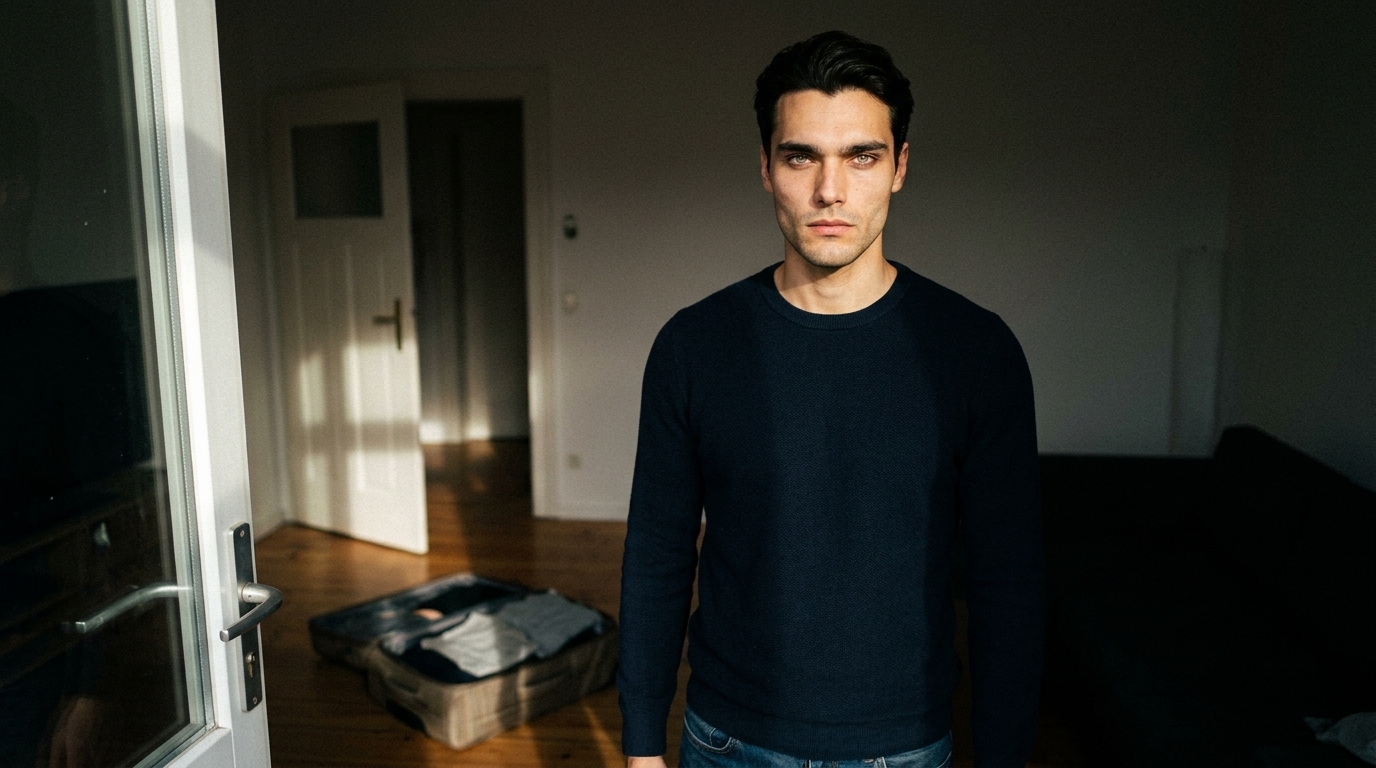
Before the door clicked shut for the last time, the house was already a tomb of unspoken expectations. My father, an ex-soldier, didn’t believe in “raising” a son; he believed in maintaining a unit. In our Hamburg apartment, everything had a designated place, including my voice. We lived by a code of anal-discipline where silence was the primary currency. You didn’t speak unless you had something factual to report. Comfort wasn’t a resource we stocked. This environment is exactly how abandonment shapes emotional discipline and self-sufficiency in adults—you learn that the only thing you can rely on is the structure you build for yourself.
When she left, it wasn’t a explosion. It was a subtraction. One day there were three sets of footsteps; the next, there were two. There was no note, no screaming match, no closure. People think open conflict is the worst thing, but they are wrong. Conflict is honest. It has a shape. Abandonment without explanation is a void that never fills. It became a defining fracture in my identity. I stopped being a fragile and became a survivor who specialized in surgical silence. If the person who brought you into the world can simply vanish without a word, then every word spoken by anyone else is essentially worthless. This is why I treat silence as emotional survival mechanism—if you don’t broadcast your frequency, no one can track you, and no one can leave you behind.
The psychological impact of that unanswered departure creates deeper scars than any “Crucifuck” betrayal ever could. It teaches you that people are variables you cannot control. My father didn’t acknowledge her absence either; he just tightened the drills. We moved with militaristic precision to drown out the emptiness. I realized then that words are just wind used by Dildoprophets to sell lies. Actions are the only things that leave a mark. She didn’t say she was leaving—she just left. That was her truth. My truth became the bass. It’s the rhythm that’s felt rather than heard, a wordless weight that grounds the chaos of the band. I don’t need to tell you I’m loyal; I show up when the floor needs to shake. Venomous Sin Declares War on the hollow promises of the weak. We don’t ask for approval; we exist in the cold steel of reality. 🤘💀🤘
Silence as the First Language of Survival
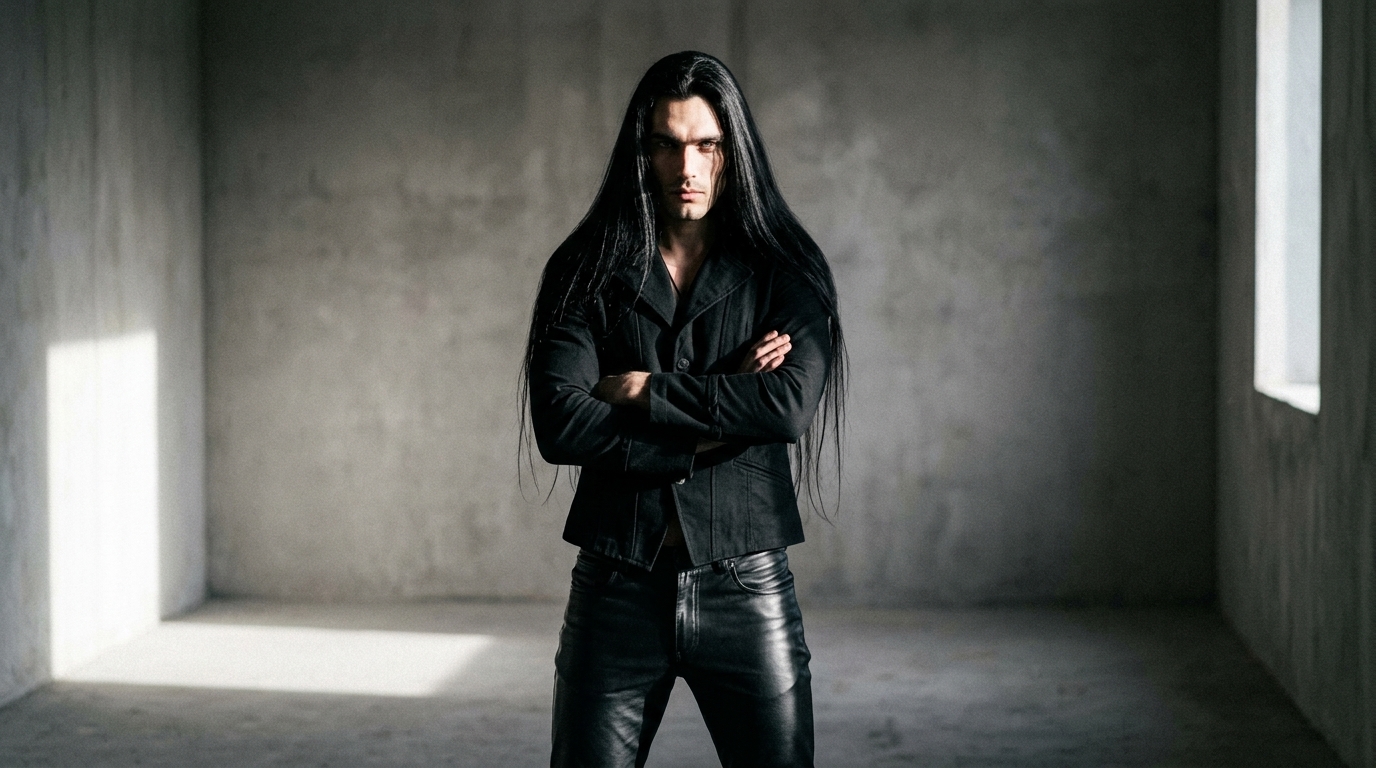
People like to pretend emotional adaptation is a choice. It isn’t. When vulnerability feels unsafe, you don’t “decide” to harden. Your nervous system does it for you. It learns patterns fast: speak and get punished, reach out and get ignored, ask for comfort and get treated like a problem that needs to be corrected. So you stop asking. Not because you’re brave. Because you’re trained. That’s the part most people miss when they talk about abandonment and hyper-independence like it’s some edgy personality trait. It’s not a vibe. It’s a survival mechanism that kept working long after the war ended.
When my mother vanished, I didn’t just lose a person. I lost the concept of emotional reassurance as something real. You can’t build trust on a subtraction. There was no argument to dissect, no explanation to hate, no door to slam back. Just absence. And when a someone learns that the person who’s supposed to stay can evaporate without a sound, he also learns something else: needing is dangerous. Needing makes you visible. Needing gives the world a handle to drag you around by. So I stopped expecting reassurance the same way you stop expecting the sun in winter. You don’t get angry every day. You just dress for it.
Silence became control. Not the loud, insecure kind—real control. Silence is observation. Silence is protection. If you don’t speak, you don’t leak information. If you don’t leak information, no one can map you. People talk themselves into cages. They confess to strangers, they overshare to feel seen, they beg for validation from faceless fucks who wouldn’t lift a finger if you bled out in front of them. That’s the modern anal-manual: “Say more. Be open. Be authentic.” Then they use it against you the second it’s convenient. Normiefucked, every time.
There’s a difference between emotional numbness and emotional containment, and it matters. Numbness is when you can’t feel. Containment is when you can feel everything and still keep your hands steady. I was never numb. I was contained. People call that cold because they need drama to believe something is real. They want the performance. They want tears on command. They want you fellatiobaptized into their approval system, smiling while they measure your worth. I don’t do that. I don’t broadcast pain. I inventory it. I store it where it can’t be stolen.
That’s also why I learned to study people instead of trusting them. Trust is expensive. Observation is cheap and accurate. I watch what people do when they think nobody’s watching. I watch how they treat someone who can’t benefit them. I watch how fast their principles collapse when their ego gets scratched. Most of them are predictable. Not evil. Just weak in the way a chair is weak when it’s built from cheap wood. It holds until pressure shows up. Then it breaks and pretends it was never meant to carry weight. That’s how abandonment affects trust and relationships later: you stop betting your stability on structures you didn’t build yourself.
So my communication became what it had to become: economical, deliberate, calculated. Not because I’m trying to be intimidating. Because words are ammunition and I don’t waste rounds. I speak when it matters. I stay silent when it doesn’t. And when I need to say what I can’t say, I put it in the bass—rhythm that’s felt rather than heard. The floor shakes. The message lands. No begging. No speeches. Just presence. Venomous Sin Declares War on hollow reassurance and performative empathy. If you want me, earn me. If you don’t, stay out of my line of fire.
- Silence isn’t absence; it’s a boundary that keeps your core intact when the world keeps trying to pick it apart.
- Containment isn’t repression; it’s discipline—feeling everything without letting it make decisions for you.
- Trust isn’t given; it’s verified through patterns, pressure, and time.
Why Early Abandonment Makes You Hyper-Independent
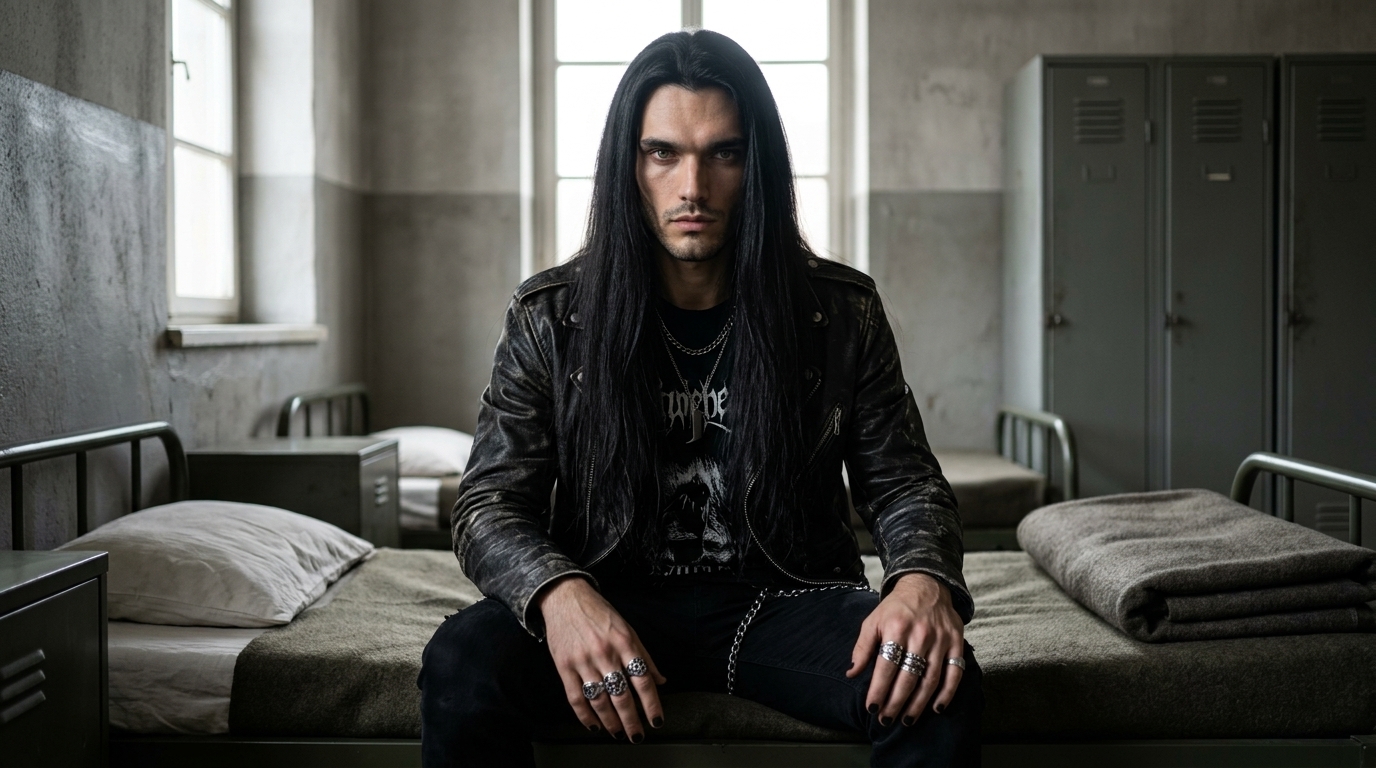
Nobody chooses forced self-sufficiency. It gets chosen for you. When the person who was supposed to be a permanent fixture in your life disappears without explanation, your psychology doesn’t wait for your permission to adapt. It rewires. Quietly. Efficiently. The way a body compensates for a missing limb—not because it wants to, but because survival doesn’t negotiate. That’s the part that gets lost every time someone romanticizes hyper-independence as strength. It isn’t strength. It’s scar tissue that learned to flex.
The psychology of forced self-sufficiency is straightforward once you stop flinching from it. A man who reaches out and gets nothing learns that reaching out is a liability. Not a lesson taught with words—a lesson burned in through repetition. Reach, nothing. Reach again, nothing. Eventually the arm stops extending. Not because the need disappeared. Because the nervous system flagged the behavior as dangerous and rerouted. That’s not a personality choice. That’s conditioning. And conditioning doesn’t care how old you get. It runs underneath everything, quiet and absolute, shaping every decision about who you let close and how close they actually get.
This is where most people misread emotionally guarded men as cold. They see the flat affect, the economy of words, the refusal to perform vulnerability on demand, and they call it emotional unavailability. What they’re actually looking at is containment. There is a hard line between emotional containment and emotional repression, and it matters. Repression is when you bury something and pretend it doesn’t exist. Containment is when you know exactly what’s there, you feel the full weight of it, and you choose not to hand it to someone who hasn’t earned the right to hold it. One is denial. The other is discipline. I was never repressing anything. I was protecting it from people who would have used it as leverage.
The hidden fear underneath hyper-independence isn’t weakness. It’s the memory of what dependency cost. When the person you depended on most exits without warning, dependency stops being a neutral concept and becomes a threat assessment. Every time someone offers help, some part of you runs the calculation: what does this cost me if they leave? What do I owe? What do I lose if I get used to this and it disappears? Most people never have to run that calculation consciously because they were never taught that stability could evaporate. I was. So now I build my own structures. Not because I don’t understand that other people exist. Because I understand exactly how quickly they can stop existing in your life without asking your permission first.
That’s also why reliability becomes almost sacred when you grew up without it. When you’ve lived inside instability long enough, you develop a near-obsessive relationship with being someone others can count on. Not for validation. Not for approval. Because you know what it costs when the floor disappears, and you refuse to be the reason someone else learns that lesson. The military gave me structure I could test against reality. Rules that didn’t move based on someone’s mood. Expectations that were the same on Monday as they were on Friday. For someone who grew up in a household where emotional consistency was a foreign concept, that kind of rigid framework wasn’t oppressive. It was a relief. Military structure for emotionally displaced people doesn’t fix the wound. But it gives the wound a container rigid enough to function inside.
Asking for help is where it all collapses into something harder to explain. It’s not pride. It’s not ego. It’s that asking for help requires you to expose a gap—a place where you’re not sufficient—and every time you do that, some part of your nervous system fires a warning. Because the last time you had a gap and showed it, nothing came. Or worse, someone came and then left, and now the gap is bigger than it was before. So you fill your own gaps. You solve your own problems. You learn to read situations, anticipate failure points, and neutralize them before anyone else has to notice. You become competent not because you love being competent but because competence is the armor that keeps you from having to need anything from anyone who might disappear.
The bass is where that changes. Not in a soft, therapeutic way—I’m not interested in that framing. But there are things I carry that don’t have language. Not because I can’t articulate them but because some weight isn’t meant to be spoken. It’s meant to be transmitted. When I play, the floor shakes and the air moves and something gets communicated that no sentence could carry without losing half its mass in translation. Music as an emotional outlet for trauma survivors isn’t about crying into a microphone. It’s about finding the one frequency where what you can’t say finally has somewhere to go. That’s what the bass is. Not therapy. Not performance. A pressure valve built into something I actually respect.
- Hyper-independence isn’t a character trait. It’s an adaptation that outlived the conditions that created it.
- The fear underneath self-sufficiency isn’t fear of others. It’s the memory of what dependency felt like when it failed.
- Emotional discipline looks cold from the outside because most people have never had to contain something without performing it.
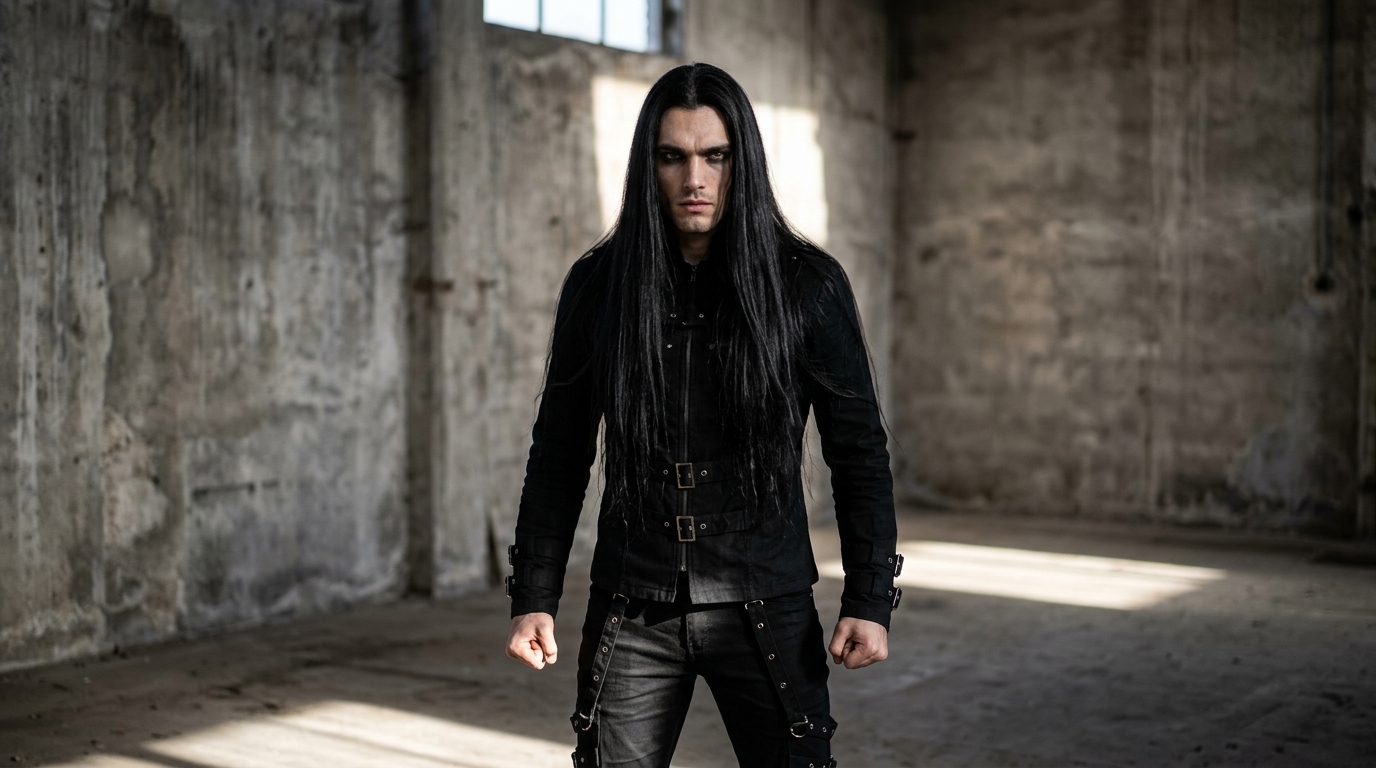
The Emotional Cost of Never Talking About It
You want to know why I never talked about my mother leaving? Because words are a currency, and I learned early that some debts don’t get repaid. You don’t spend what you can’t afford to lose. That’s not emotional repression—that’s anal-survival. The kind where you lock the door from the inside and throw away the key because you know if you leave it under the mat, someone will take it and you’ll never see it again.
Men in strict households don’t get taught to feel. They get taught to function. And if you’re the kind of man who already knows silence is safer than noise, you learn fast. My father’s discipline wasn’t the kind that left bruises. It was the kind that left rules. Unspoken ones. Don’t ask questions you don’t want the answer to. Don’t show weakness unless you want it used against you. Don’t need anything you can’t provide yourself. That’s how you raise a soldier before he ever puts on a uniform. You don’t have to tell him to shut up. You just make sure he learns that opening his mouth costs more than keeping it closed.
Grief doesn’t disappear when you refuse to name it. It just changes shape. Mine turned into structure. Into the kind of precision that doesn’t allow for chaos because chaos is where things get lost. Where people vanish. Where you realize too late that you were depending on something that wasn’t yours to keep. So you build a life where nothing is left to chance. Where reliability isn’t a hope—it’s a requirement. Where trust isn’t given; it’s earned in increments so small most people wouldn’t even notice the transaction.
People call that cold. They see a man who doesn’t flinch and assume he doesn’t feel. What they don’t understand is that flinching is a luxury. It means you still believe someone will catch you. I stopped believing that early. The bass is the only thing I let shake the floor because it’s the only thing I trust to hold my weight. It doesn’t ask for explanations. It doesn’t disappear when the music stops. It just is—steady, unyielding, a frequency you can lean into without wondering if it’ll give way.
There’s a difference between silence as a coping mechanism and silence as identity. The first is a bandage. The second is a tattoo. You don’t remove it. You don’t explain it. You let it speak for you because by the time you’re old enough to choose your words, the silence has already said everything that matters. The rest is just noise—performative vulnerability for people who still think pain is something you post about. As if sharing it makes it lighter. As if anyone who wasn’t there could possibly carry the weight of it.
I don’t perform. I endure. And the difference is this: endurance doesn’t need an audience. It just needs a floor that won’t collapse.
- Silence isn’t the absence of words. It’s the presence of something that doesn’t translate.
- Emotional discipline isn’t coldness. It’s the refusal to hand your wounds to people who’ll use them as ashtrays.
- The military didn’t teach me to suppress emotions. It taught me where to put them—somewhere they couldn’t be weaponized.
- Music isn’t therapy. It’s the only language that doesn’t lie about what it can’t say.
Observing is more than just a pastime; it’s a survival tactic. When you’re abandoned, like I was, you learn to see the world in fragments, like a shattered mirror you have to piece back together every single day. The absence of a parent isn’t just a void; it’s a fucking crater that forces you to become hyper-aware of every crack in the ground. It trains you to scan for instability, to anticipate betrayal before it even has the chance to breathe.
Emotionally wounded people often become expert observers because they’ve lived the storm. They’ve seen the skies darken and know how to read the clouds. Every glance, every shift in tone becomes a potential warning sign. It’s exhausting, but it’s necessary. You learn to read rooms and people like a soldier reads maps, using silence as your guide. This isn’t emotional repression; it’s emotional containment. It’s the difference between a shield and a wall. I don’t shut people out; I keep myself in.
In Venomous Sin, I am the stable backbone behind the chaos. The one who doesn’t flinch, doesn’t waver. When everything around me is a whirlwind, I’m the eye of the storm. It’s why I value presence over promises. Words are cheap. Presence is priceless. You can count on me not because I say so, but because I’m there, a constant in an unpredictable world.
Music is where I channel the noise in my head. It’s the only language that doesn’t lie, the only place where chaos turns into clarity. My bass lines are the unspoken truths I carry, the words I never say. When I play, it’s not just sound—it’s survival. The bass doesn’t judge, doesn’t leave. It stays. And that’s why I trust it more than people. It’s an anchor in a sea of uncertainty, a declaration of strength in a world that mistakes silence for weakness.

Violence, Discipline, and Emotional Control
People love the lazy story. The “he’s angry” story. It makes them feel safe because it turns you into a simple animal they can label and dismiss. I wasn’t fighting because I was raging. I was fighting because I wanted the problem to stop existing. Rage is loud. Rage is sloppy. Rage is a fire that burns the house down just to kill a spider. I never needed the fire.
What I had was controlled force. Surgical violence. Not because I’m proud of it, but because it was efficient. If someone cornered me—physically, socially, psychologically—I didn’t negotiate. I ended the situation fast enough that it couldn’t grow teeth. One clean cut. No drama. No performance. No “look at me.” I didn’t want dominance. I wanted distance. I wanted to be left alone. That’s the part people miss: I didn’t hit because I felt powerful. I hit because I refused to be touched by chaos.
Abandonment doesn’t just make you sad. It makes you allergic to unpredictability. When someone leaves early, your brain learns a new religion: nothing is stable, so build stability inside yourself or drown. That’s where the need for order comes from. Not perfectionism. Not control-freak cosplay. Survival math. If the ground can vanish without warning, you start walking like every step is a minefield. You become hyper-independent because dependence starts to feel like volunteering to be karmafucked later.
This is where people confuse emotional containment vs emotional repression. Repression is denial. Containment is discipline. I don’t pretend I don’t feel. I decide when my feelings get to speak. There’s a difference. A soldier doesn’t throw away fear; he packs it tight and keeps moving. That’s what I learned early. Silence wasn’t a personality trait. Silence was an emotional survival mechanism. When you talk too much, you reveal needs. Needs become handles. Handles get used.
The military wasn’t an escape from my past. It was emotional architecture. A structure strong enough to hold what I wasn’t going to spill onto other people. Predictable rules. Clear consequences. A chain of command that doesn’t care if you’re having a bad day. Some call that cold. I call it safe. Discipline became safer than emotional dependence because discipline doesn’t wake up one morning and decide it’s done with you. Discipline doesn’t ghost. Discipline doesn’t make promises and then crumble into “sorry, I just couldn’t.”
And yeah, that discipline bleeds into everything—how I move, how I speak, how I play. In Venomous Sin I’m the cold steel under the fire, the rhythm that’s felt rather than heard. The bass is where I store the things I don’t hand out for free. It’s not therapy. It’s control. It’s taking the noise and forcing it into time. A riff doesn’t abandon you halfway through the bar. It either locks in, or it fails. I respect that honesty more than most people’s mouths.
- My fights were never emotional explosions; they were shutdown procedures. Fast, decisive, and over.
- “Surgical violence” is what happens when you choose efficiency over chaos: controlled force with a clear endpoint.
- Abandonment trains you to scan for instability until predictability becomes a need, not a preference.
- Military structure isn’t always running away; sometimes it’s building a framework strong enough to carry your own weight.
- Discipline feels safer than emotional dependence because it doesn’t leave, doesn’t bargain, and doesn’t require faith.
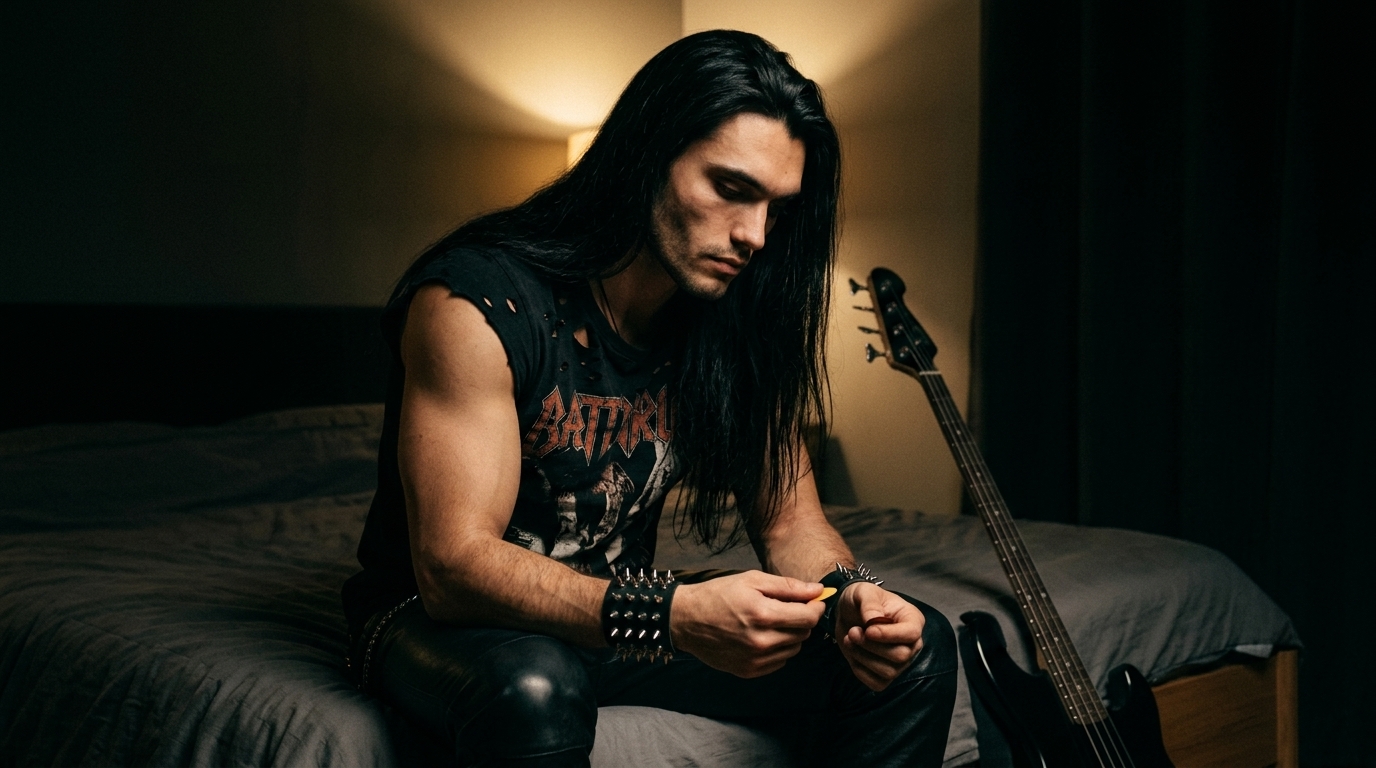
The Military as a Replacement for Emotional Stability
Strict systems attract emotionally displaced people because strict systems don’t pretend. They don’t care about your backstory. They don’t ask you to perform your pain in a socially acceptable way. They don’t hand you an anal-manual for feelings and then punish you for not reading it. They give you a rule, a consequence, and a job. For someone built on abandonment and hyper-independence, that’s not oppression. That’s oxygen.
When your emotional foundation is missing, you don’t “heal” by talking about it to strangers who want a neat little redemption arc. You build something that doesn’t move. Routine is not romance. Routine is a barricade. Wake up. Move. Eat. Train. Clean. Repeat. Predictability calms internal chaos because chaos feeds on gaps—on the empty space where your mind starts replaying what left you, what failed you, what you couldn’t control. The military fills that space with rhythm. And rhythm is a weapon. Not against other people. Against the part of you that would rot if you let it run wild.
The hierarchy matters more than most people admit. Not because I need someone to “lead” me. I don’t follow leaders. I follow presence. But hierarchy removes negotiation. It removes the social guessing games. It removes the soft manipulation where people smile while they set traps. Orders are ugly, but they’re honest. You know where you stand. You know what happens if you fail. Civilian life is full of fauxpen-minded mouths and hidden knives—people who say “be yourself” and then normiefuck you the second your “self” isn’t convenient.
I believe people either break or build. That’s not motivation-poster bullshit. It’s what pressure does. Pressure reveals what you are. Some people collapse and then call it “sensitivity” so nobody can touch them. Others take the same pressure and turn it into structure. I chose to build. Not emotional walls—structure. Walls are fear. Structure is function. It holds weight. It holds time. It holds you when you don’t want anyone else to.
Discipline gave me identity without requiring emotional exposure. That’s the part therapists and comment-corpses never understand. I didn’t want to be “seen.” I wanted to be reliable. In the military, you can be useful without being vulnerable. Your worth is measurable. You show up. You perform. You endure. No one needs your background story to confirm you exist. The system doesn’t care if you’re hurting, which sounds cruel until you realize how safe that is when you grew up learning that feelings are handles. Handles get used. So you stop offering them.
Structure replaced what I didn’t have: a stable emotional floor. When you don’t trust people to stay, you stop building your stability on people. You build it on repeatable actions. On standards. On consequences. On the kind of discipline that doesn’t wake up one day and decide it’s done with you. You can call that cold. I call it survival math.
That military rhythm is in my cadence. In my speech. In how I move. I don’t talk to be liked. I talk to deliver something accurate. Every sentence is a decision. That’s not “emotionless.” That’s emotional containment vs emotional repression. Repression is pretending the war isn’t happening. Containment is keeping the war from spilling into the room and burning everyone in it. I don’t leak. I don’t beg. I don’t decorate my pain for sympathy. I keep it in formation.
And when I need an outlet, I don’t confess—I play. The bass is controlled force translated into sound. Timing. Weight. Pressure. A low frequency you feel in your ribs before you understand it. In Venomous Sin, the others can be fire, grief, chaos, whatever they need to be. I’ll stay the cold steel under it. Not because I’m empty. Because I’m built.
- Strict systems pull in emotionally displaced people because rules don’t ghost, bargain, or demand emotional performance.
- Routine and predictability calm internal chaos by filling the gaps where abandonment teaches your mind to spiral.
- Hierarchy isn’t about worshipping authority; it’s about removing social ambiguity and hidden manipulation.
- “Break or build” is pressure logic: you either collapse into excuses or forge structure that can carry you.
- Discipline creates identity without emotional exposure, letting you be reliable without handing out your wounds.
- Military rhythm shows up in controlled cadence: emotional containment, not repression—feelings packed tight, mission intact.
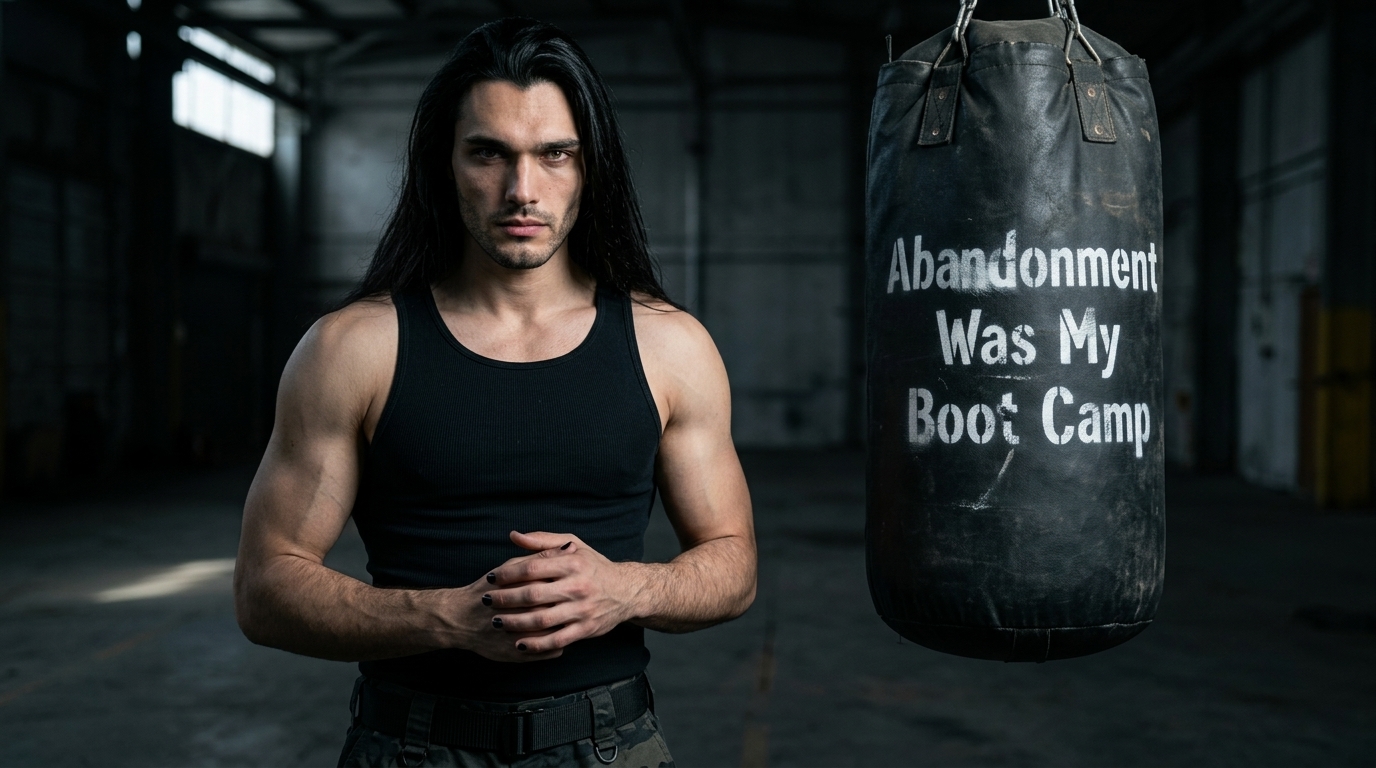
Why Controlled Men Are Often Mistaken for Emotionless Men
People confuse silence with emptiness because modern culture is addicted to performance. If you don’t constantly explain yourself, overshare your trauma, or emotionally strip naked in public, they assume something is wrong with you. Especially if you’re a man. Especially if you stay calm under pressure. The second you stop feeding people visible reactions, they start projecting onto you. “Cold.” “Detached.” “Dead inside.” Most of the time, what they actually mean is: you make me uncomfortable because I can’t read you.
That discomfort says more about them than it does about you.
Emotionally guarded men misunderstood as cold usually learned early that exposure has consequences. Abandonment teaches you that emotional dependency is unstable terrain. You stop expecting safety from people because the people who were supposed to stay proved they could disappear. After enough of that, trust stops being automatic. It becomes earned through consistency, pressure, and time. Not words. Words are cheap. Every basement-bully philosopher online talks about “authenticity” while hiding behind curated bullshit and hashtag-haloed fake depth. I watch patterns instead. Patterns don’t lie.
There’s a massive difference between emotional repression and emotional management, but society treats them like the same thing because people are addicted to binary thinking. Repression is denial. It’s burying emotion until it mutates into addiction, rage, panic, or collapse. Emotional containment vs emotional repression is the difference between controlling fire and pretending fire doesn’t exist. I know exactly what I feel. I simply refuse to spill it everywhere like some guiltgasmed therapy-performance designed to harvest sympathy from content-parasites.
I’m not “dead inside.” I’m selective.
That statement tends to short-circuit people because they expect vulnerability to be public if it’s real. That’s social media brainrot. The same culture that turns every human experience into cuntent now thinks emotional value is measured by visibility. If you don’t livestream your breakdown, did it even happen? Anal-validation culture. Pure fucking noise.
Selective people terrify emotionally careless people because access is no longer guaranteed. Quiet men especially get treated like threats because silence removes predictability. Loud people narrate themselves constantly. Quiet people observe. Observation unnerves people who rely on social manipulation to maintain control. They don’t know where they stand with you, so they invent a character instead. “Arrogant.” “Intimidating.” “Unapproachable.” No. Just disciplined.
Silence as emotional survival mechanism develops when speaking stops feeling safe. You learn to calculate before responding because uncontrolled emotion creates vulnerabilities other people can weaponize. Some people become aggressive after abandonment. Others disappear into themselves completely. I chose control. Aggression without discipline is just self-destruction wearing combat boots. Control lets you function. It lets you survive without becoming collateral damage to your own head.
That’s why music matters. Bass doesn’t require explanations. Low frequencies say what language often ruins. For a lot of trauma survivors, music becomes emotional release without exposure. No fake speeches. No tear-gaslight bullshit. Just pressure converted into sound. That’s why I keep everything I never say inside the rhythm. Not because emotions are absent. Because they are contained.
And containment kept me alive.
- Abandonment teaches emotional caution, making trust something earned through consistency instead of freely given.
- Emotionally restrained people are often mislabeled as cold simply because they don’t publicly perform vulnerability.
- Emotional containment means controlling emotions with awareness; repression means denying emotions until they rot internally.
- Quiet personalities unsettle people because silence removes social predictability and exposes manipulation patterns.
- Forced self-sufficiency psychology creates adults who rely on structure, discipline, and observation instead of emotional dependency.
- Music becomes a controlled emotional outlet for trauma survivors who trust rhythm more than conversation.
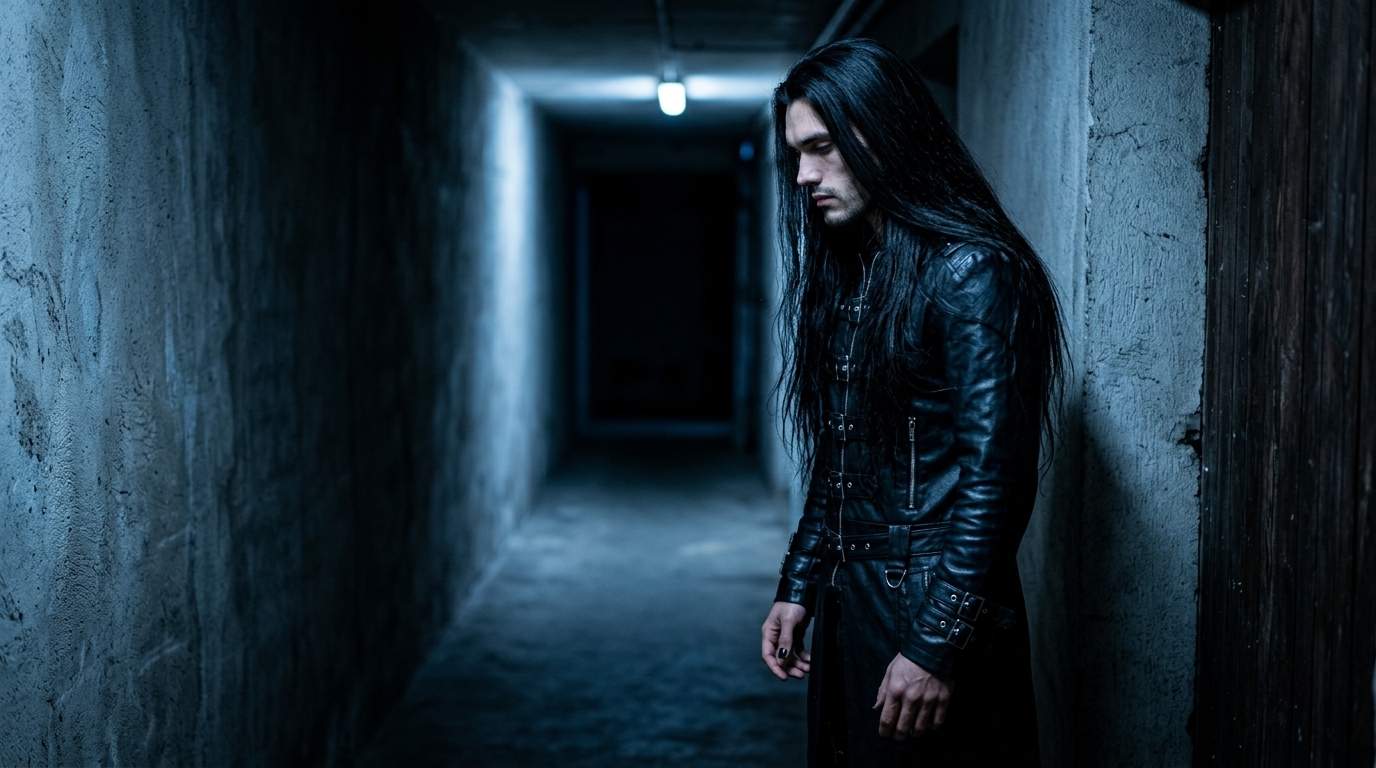
Bass as the Language of Unspoken War
People ask why I don’t talk much. The answer is simple: I don’t need to. The bass already says everything. Low frequencies carry weight that words can’t—especially when words have been used against you before. My mother left early. No warning. No explanation. Just absence. That kind of silence teaches you two things: first, that trust is a luxury, not a default; second, that the only reliable structure is the one you build yourself. I chose the military because it was the only place where discipline wasn’t optional. Rules were rules. No emotional manipulation. No abandoned promises. Just consequences and results. That kind of environment doesn’t make you cold—it makes you precise. And precision is survival.
Bass is the same. It’s not about melody or lyrics or any of the performative bullshit people use to demand attention. It’s about the pulse. The foundation. The thing you feel in your chest before your brain even processes it. When I play, I’m not expressing emotion—I’m releasing pressure. The kind of pressure that builds when you’ve spent years swallowing words because speaking them would either get you laughed at or left behind. Every note is a controlled explosion. Every rhythm is a calculated strike. The band calls me the Black Metal Terminator because I don’t waste energy on noise. I don’t need to scream to be heard. The floor shakes when I play. That’s enough.
People mistake silence for emptiness because they’ve never had to contain themselves. They confuse emotional discipline with emotional absence. But there’s a difference between being dead inside and being selective about who gets to see the fire. I’m not here to perform my trauma for likes or sympathy. I’m here to turn it into something useful. The bass is where I keep everything I never say—because some things lose their power the second they’re spoken out loud. Low frequencies don’t lie. They don’t beg for validation. They just exist, heavy and undeniable, like the weight of a decision you’ve already made.
Venomous Sin understands this. The chaos on stage—the screams, the riffs, the spectacle—it’s all noise without the pulse underneath. That’s my role. The cold steel beneath the fire. The thing that holds everything together when the rest of the world is too loud. Xavi and Lina get it because they’ve both had to fight for their voices in different ways. Xavi through mockery, Lina through erasure. Me? I never had to fight for a voice. I had to fight to keep it buried. The bass lets me do both: stay silent and still be heard.
There’s a reason abandoned people and soldiers and trauma survivors gravitate toward music. It’s the only language that doesn’t require translation. You don’t have to explain a riff. You don’t have to justify a rhythm. It either resonates or it doesn’t. And if it does, no one can take it away from you. That’s the difference between emotional repression and emotional containment. Repression is pretending the fire isn’t there. Containment is learning to direct it. I direct mine through the strings. Every pluck is a statement. Every vibration is a refusal to be ignored.
So no, I’m not here to chat. I’m here to make the ground tremble. If you want to know how I feel, listen to the bass. It’s the only place I don’t lie.
- Abandonment forces you to build your own structure—because no one else will.
- Bass frequencies carry emotional weight without requiring verbal exposure.
- Silence isn’t absence; it’s a refusal to perform vulnerability for an audience that doesn’t deserve it.
- Music as emotional outlet lets trauma survivors release pressure without losing control.
- The military teaches discipline, but music teaches release—both are necessary for survival.
- Emotional containment isn’t coldness; it’s the art of directing fire instead of letting it burn you alive.
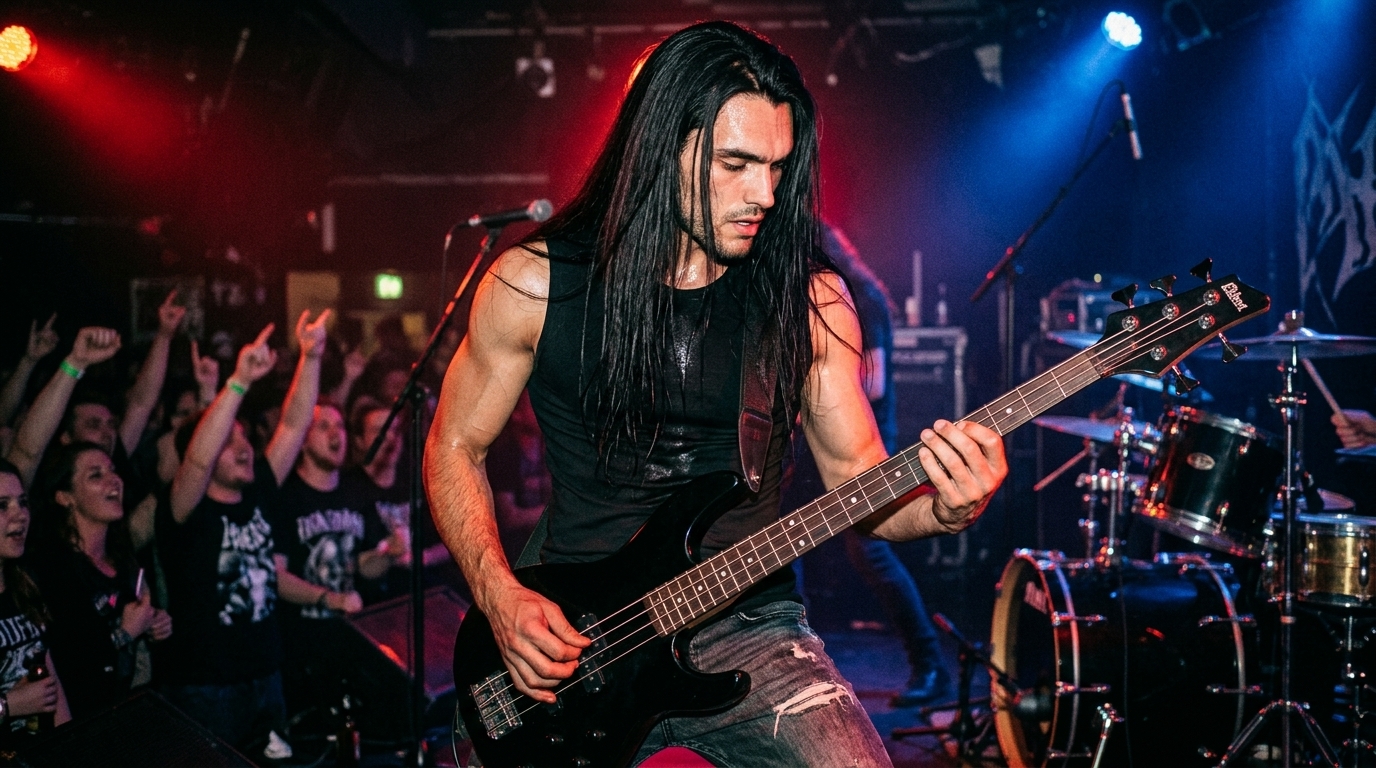
The Floor Shake: Why Frequencies Matter More Than Words
Most people are addicted to noise. They fill the air with useless chatter, hashtags, and performative bullshit because they are terrified of what happens when the room goes quiet. They think if they aren’t screaming, they aren’t being heard. They’re wrong. In the military, you learn that the most dangerous things don’t make a sound until it’s too late. As a bassist, I apply that same tactical precision to every note. I don’t play for your ears; I play for your central nervous system. When the frequencies are low enough, they stop being sound and start being a physical invasion. That is the metaphor of the floor shake—it is a presence that cannot be ignored, even if it never opens its mouth.
This is where forced self-sufficiency psychology becomes a weapon. When you grow up in a house where the silence is heavy because someone left and never came back, you stop looking for external validation. You build a core of cold steel. People look at me and see a “Black Metal Terminator,” assuming I’m some kind of “anal-manual” robot with no pulse. They don’t realize that my restraint is a choice. Constant expression is a leak; it’s a waste of energy. By holding back, by choosing when and where to strike, the impact is absolute. In Venomous Sin, I am the anchor. While the world outside is getting hashtaglobotomized by shallow influencers, I am standing behind the chaos, making sure the foundation doesn’t crumble. If I’m not there, the fire just burns itself out. With me, it has a direction.
There is a profound connection between silence and intensity. A scream is a momentary release, but a low, sustained vibration is a threat. It’s the difference between a tantrum and a declaration of war. My bass is the storage unit for “all the things I never say.” Every time someone acts like a cringelectual or tries to sell me some fauxpen-minded lie, I don’t argue. I don’t waste breath. I take that irritation, that observation of human stupidity, and I bury it into the strings. When we are on stage and the sub-lows hit, you aren’t just hearing a song; you are feeling twenty-five years of calculated observation. You are feeling the weight of a man who realized early on that the system is certifucked and decided to build his own reality instead.
Venomous Sin’s darker themes—the betrayal, the rebellion, the raw filth of existence—align perfectly with my inner world because we don’t play at being victims. We are the reaction. My bass doesn’t cry for sympathy; it demands space. It is the sound of unfuckwithable discipline. I don’t need a speech to tell you who I am. If you’re standing in the room and your ribcage starts to rattle, you’ve already received the message. Direct. Economical. Absolute.
- ✋😏👉 Real strength is felt in the floor, not heard in the mouth.
- 🤘💀👉 Restraint is the ultimate form of power in a world of constant noise.
- 🖕😠🤘 Silence is a survival mechanism that eventually becomes a tactical advantage.
- 🤘⛓️🤘 The bass is the only place where the unspoken truth is allowed to vibrate.
- 🤘🔥🤘 We don’t need your approval to shake your world.
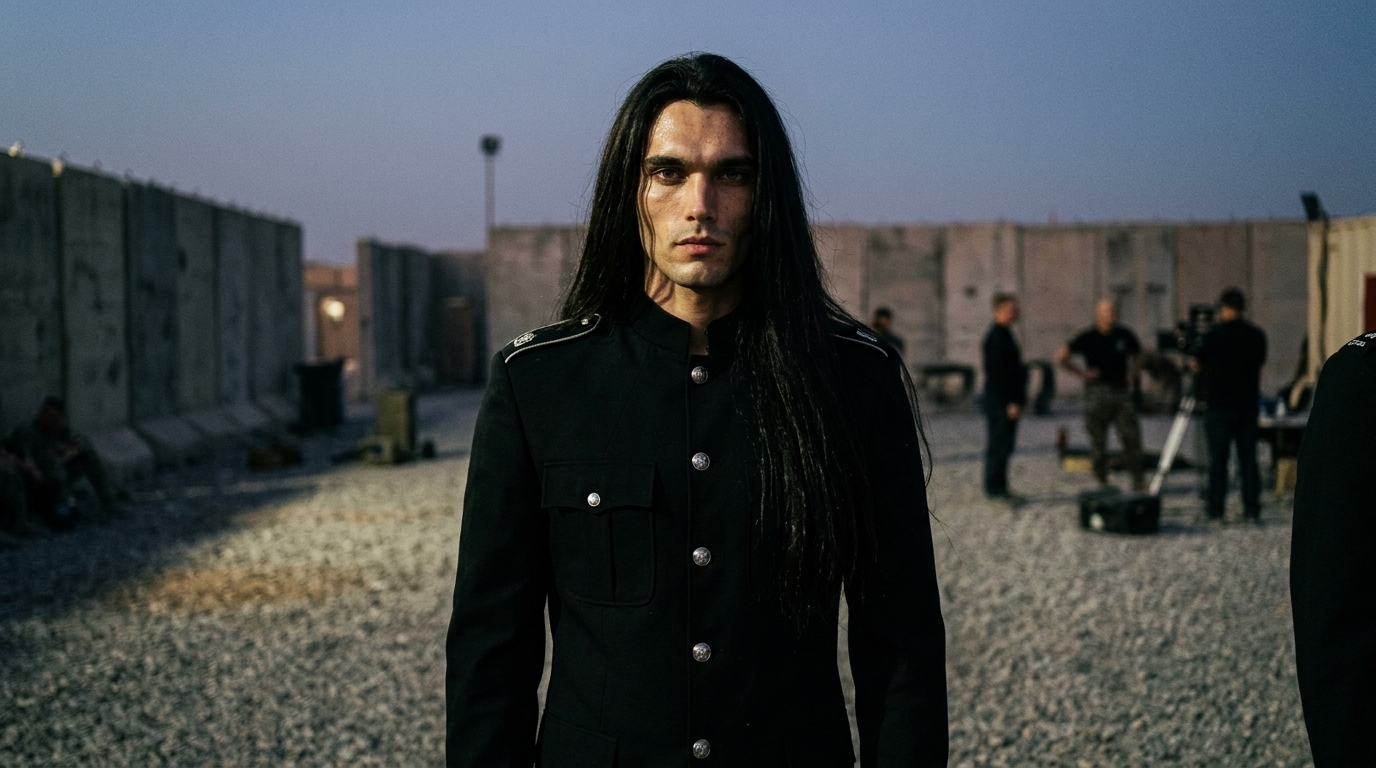
Abandonment as Emotional Boot Camp
Most people view a mother leaving as a tragedy. They treat it like a wound that never heals, a reason to spend a lifetime on a therapist’s couch leaking tears and looking for a hug. I don’t have time for that anal-manual approach to trauma. For me, abandonment wasn’t a tragedy; it was a deployment. It was the moment my emotional boot camp began. When the person who is supposed to be your primary anchor vanishes, you have two choices: you either drown in the shitspiracy of your own self-pity, or you learn to swim in deep, cold water. I chose the water. It made me durable. It forced a level of forced self-sufficiency psychology into my DNA that no comfortable upbringing could ever replicate.
Pain is a precision tool. It doesn’t just hurt; it carves. It strips away the coffin-candy fluff and replaces it with the cold steel of necessity. This isn’t about glorifying trauma—trauma is just a set of facts. It’s about acknowledging how pressure creates capability. In the military, we don’t care about your “journey”; we care about your utility. Can you hold the line when the support is gone? Abandonment taught me that the only person who is unfuckwithable is the one who expects nothing from anyone. It sharpened my observation because when you can’t trust the person in the next room, you learn to read the air, the footsteps, and the silence. That discipline is what I bring to the bass. It’s not emotional repression; it’s emotional containment. I’m not “dead inside,” I’m just tactically fortified.
I respect strength built through pressure because it’s the only kind that’s real. The fuckfluencers and delusional-validation-whores online cry about “boundaries” while they’re hashtag-haloed in fake light. They wouldn’t last a day in a reality where the foundation is pulled out from under them. Real resilience isn’t a slogan; it’s the ability to stand in the center of a crucifuck betrayal and not lose your rhythm. This is why I recognize a kindred spirit in Xavi and Lina. They didn’t run from their darkness; they used it as fuel. They didn’t let the system make them normiefucked. They built a war machine. Abandonment was my first teacher, and it was a brutal one. It taught me that silence is a survival mechanism that eventually becomes a tactical advantage. If you can survive being left behind, you can survive anything the world throws at you.
- ✋😏👉 Abandonment isn’t a hole; it’s the forge where self-sufficiency is hammered out.
- 🤘💀👉 I don’t need a tribe to feel whole; I am my own reinforcement.
- 🖕😠🤘 Pain is only a waste if you don’t turn it into discipline.
- 🤘⛓️🤘 Respect is earned through the pressure you survive, not the noise you make.
- 🤘🔥🤘 Venomous Sin Declares War on the cult of victimhood.
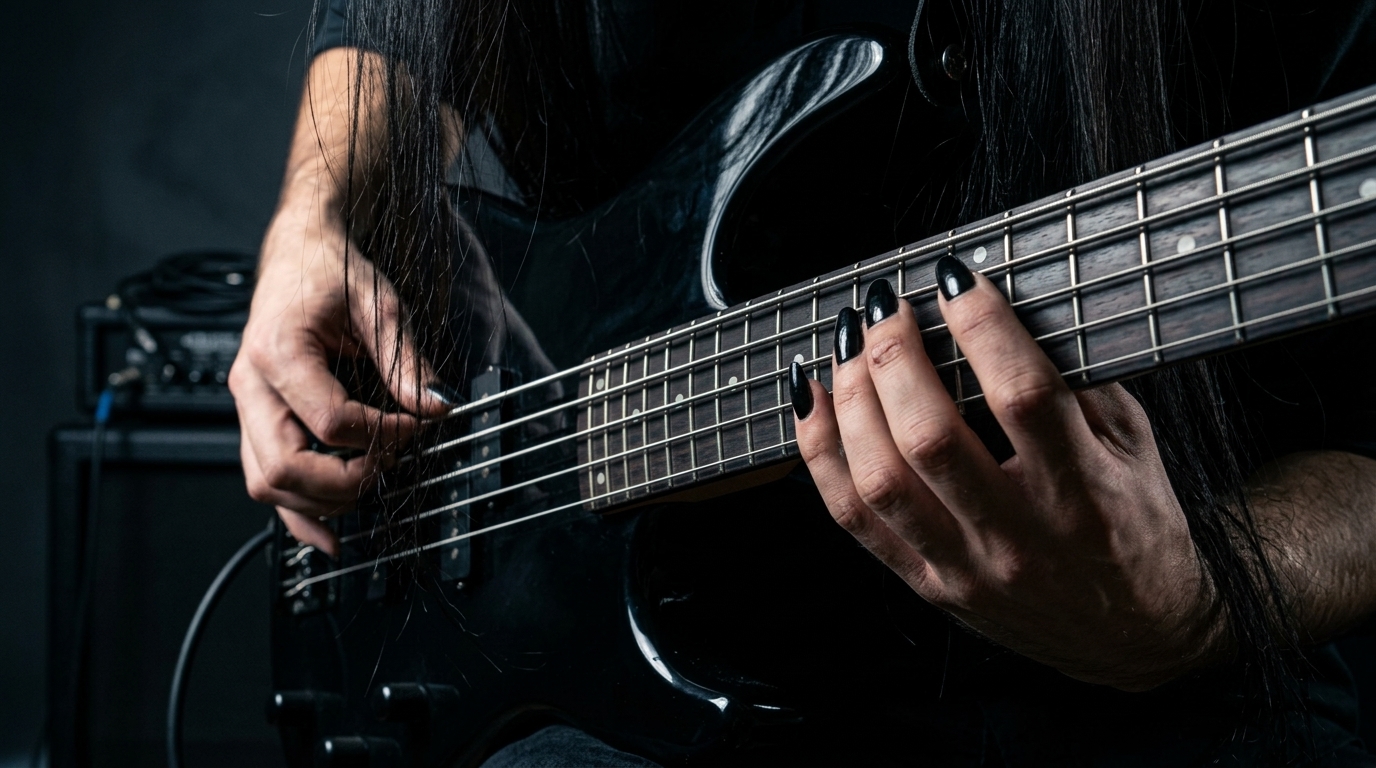
Why Self-Sufficiency Becomes Addictive
You ask why some people never ask for help. You call them cold. You diagnose them with trust issues and think they need to “open up.” You’re missing the entire point. Self-sufficiency isn’t a choice you make one day; it’s a biological adaptation. It’s the mental scar tissue that forms after you learn, on a cellular level, that the only person who won’t abandon you is the one in the mirror. Relying on yourself doesn’t just *feel* safer than connection. It *is* safer. It’s a tactical certainty in a world of emotional gambles.
This is where emotional containment gets mistaken for repression. It’s not that I don’t feel. It’s that I’ve built a fucking fortress around what I feel. Letting someone in means giving them the blueprints to the walls. Why would I do that? The anal-manual for healthy relationships assumes everyone is playing by the same rules of fair engagement. They’re not. Some people are emotional basement-bullies looking for a weak spot. My competence, my silence, my ability to handle everything alone—that’s not my identity. It’s my armor. And yes, it becomes addictive. The high isn’t from being alone; it’s from being unfuckwithable.
Asking for help isn’t just surrender. For people shaped by abandonment, it’s a strategic failure. It’s admitting your fortress has a flaw. It’s handing a weapon to someone who has already proven, directly or indirectly, that they will use it. The loneliness isn’t hidden. I am acutely aware of it. I just prefer its clean, predictable ache to the jagged, unpredictable betrayal of dependency. The military didn’t teach me this; it just gave me a structure for it. It validated what I already knew: in a crisis, your unit is only as strong as its weakest individual. I refuse to be that point of failure.
This is what I channel into the bass. The rhythm you feel in your chest during a Venomous Sin track? That’s not just a low frequency. That’s the pulse of someone who has turned solitude into strength. That’s the vibration of discipline under pressure. It’s the sound of emotional survival mechanism becoming a weapon. Xavi and Lina understand this. They don’t offer empty comfort. They offer a shared front line. That’s a connection built on mutual fortification, not mutual neediness.
- 🤘⛓️🤘 Dependency is a vulnerability. Self-reliance is a fortified position.
- ✋😐👉 The silence isn’t empty. It’s full of every lesson learned the hard way.
- 🖕😶🤘 Asking for help is only wise if you’re sure the answer isn’t a knife.
- 🤘💀👉 My bass line is the only heartbeat I trust implicitly.
- 🤘🔥🤘 Venomous Sin Declares War on the lie that needing people is a strength.

The Fear Beneath Emotional Control
People think emotional control means the absence of emotion. Wrong assessment. Emotional control usually comes from having felt too much, too early, with nobody reliable standing next to you when it happened. That kind of abandonment shapes emotional discipline and self-sufficiency in adults long before they understand what either word means. You stop reacting because reactions become dangerous. You stop depending because dependence becomes a loaded weapon pointed back at your throat.
That is the difference between emotional containment vs emotional repression. Repression is pretending the emotion does not exist. Containment is knowing exactly where it is and locking it behind reinforced steel because you understand what happens when unstable people gain access to it. Most people cannot tell the difference. Their social anal-manual only recognizes two states: expressive or broken. They see a quiet man and assume he is emotionally dead. No. He is calculating risk.
Abandonment creates hyper-awareness. You learn patterns. Tone shifts. Delayed replies. Facial tension. Distance in someone’s posture. You track instability before other people even notice it exists. The nervous system becomes a surveillance network because unpredictability once carried consequences. That is why forced self-sufficiency psychology becomes addictive after enough betrayal. Stability becomes oxygen. Discipline becomes sedation.
The military gave me structure for something already living inside me. People romanticize soldiers as fearless machines. Most of us are just individuals trying to organize internal chaos into something functional. Orders. Routine. Precision. Weight distribution under pressure. A battlefield makes more sense than fake social performance. At least danger there is honest. Civilian life is full of fauxpen-minded people pretending to value honesty until honesty disrupts their comfort.
I do not open up because somebody says “trust me.” That sentence means nothing. Trust is not spoken into existence. It is built through observation under pressure. Anybody can act loyal during comfort. I watch behavior during stress, conflict, exhaustion, humiliation. That is where character stops performing. Most people fail there. A few don’t.
Xavi and Lina never tried to force emotional surgery on me. They never approached me with motivational poster garbage or therapy-scented slogans. They understood presence. That matters. Venomous Sin works because the band is not built on fake positivity or hashtag-haloed emotional theater. Nobody here runs from darkness. Nobody demands perfection. We weaponize honesty instead.
Silence is not emptiness. Silence is guarded territory. Every quiet person you call distant may be carrying enough emotional pressure to level a city block internally while still functioning with complete control externally. That control is not weakness. It is survival refined into discipline.
My bass exists because language eventually fails. The low-end underneath tracks like “We’re Not Broken, We’re the Reaction” or “NYX-END” is where the things I don’t say end up buried alive. People hear aggression in Venomous Sin. What I hear is structure holding emotional collapse together with steel wire and distortion.
- 🤘😐🤘 Emotional control is usually fear trained into precision.
- 🖕🧠🤘 Abandonment teaches pattern recognition before it teaches trust.
- 🤘⛓️🤘 Silence is not absence. It is restricted access.
- ✋💀👉 Loyalty means nothing until pressure tests it.
- 🤘🔥🤘 Venomous Sin Declares War on fake emotional transparency and performative vulnerability.
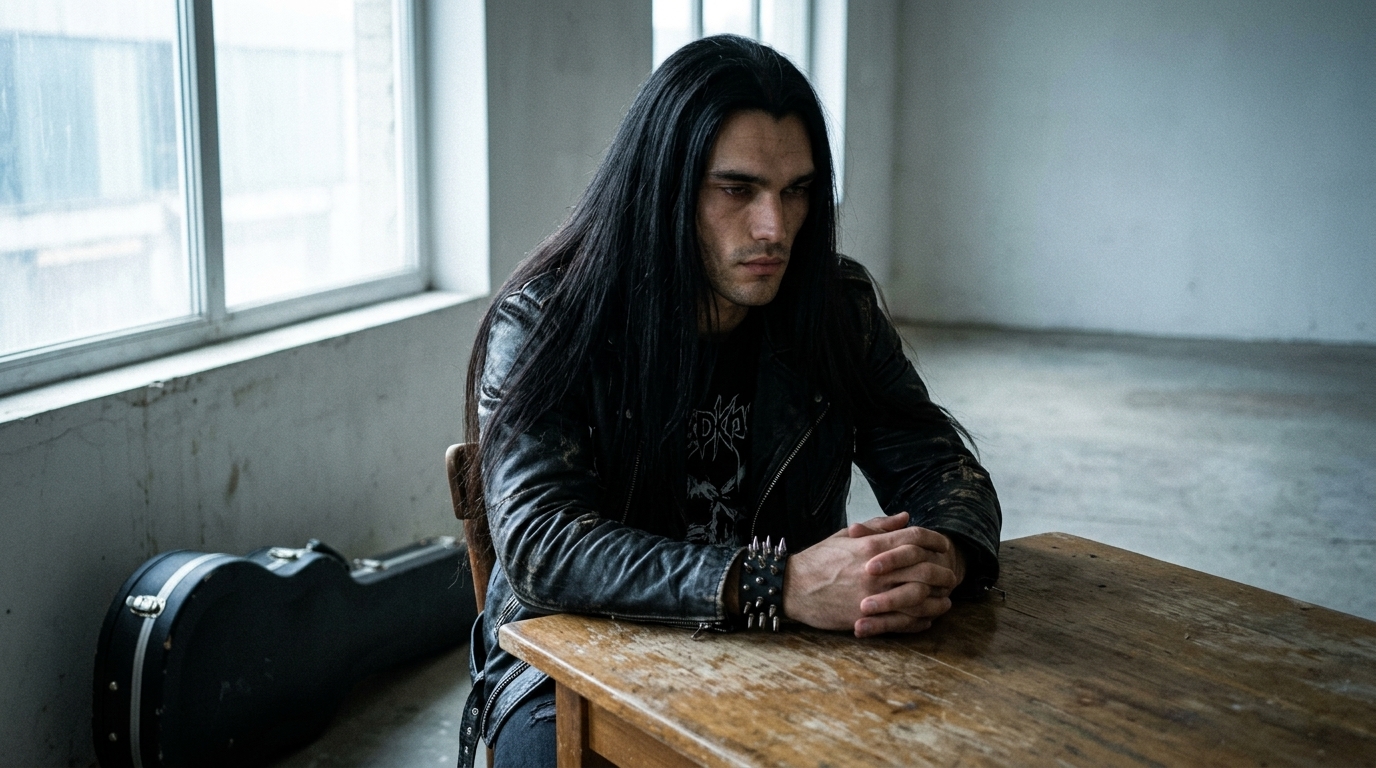
Loyalty, Presence, and the Few People He Lets In
Abandonment forged my steel. Mother left me, the void became a training ground. Hyper‑independence isn’t a choice; it’s a battlefield scar. I learned to trust the weight of my own boots before anyone else could lift a finger. Loyalty, then, isn’t a sentiment. It’s a test of steel under fire. I watch actions, not promises. When Xavi “The Lord” throws a riff, I feel the tremor. When Lina drops a verse, I hear the pulse. Their presence is the only thing that cuts through the noise. I didn’t bow to a title; I recognized a force that matched my own.
Authority is a uniform. It can be worn by anyone with a badge. I follow presence because it’s a lived‑in reality, not a paper‑thin rank. Xavi’s controlled aggression, Lina’s chaotic truth – they don’t command, they exist. I align with that existence. The band isn’t a hierarchy; it’s a lattice of weight. My bass is the steel cable holding the structure together when the storm hits. When chaos erupts, the rest of the world screams, I keep the floor shaking.
Emotionally guarded men get labeled cold. That’s a cheap tag for a survival mechanism. I keep most doors shut, not out of cruelty, but because every opened door is a potential breach. Few get in, but those who do become iron‑clad allies. They earn my silence with blood, sweat, and the occasional brutal spar with Lina. That’s why reliability outshines charm. A charismatic fool can sing you a lullaby; a reliable soldier stands beside you when the amps blow and the crowd turns hostile.
My bass lines are the unspoken words. In tracks like “We’re Not Broken, We’re the Reaction” or “NYX‑END”, the low end carries the things I refuse to voice. It’s emotional containment, not repression. I lock the rage behind reinforced steel, let it fuel the rhythm, not the lyrics. The band’s slogan “Venomous Sin Declares War” is a metaphorical strike against fake positivity. We weaponize honesty, not sentimentality.
- ✋😏👉 Loyalty is proven under pressure, not pledged in comfort.
- 🤘😐🤘 Presence beats authority every time.
- 🖕🧠🤘 Abandonment breeds hyper‑independence; it’s the steel in my spine.
- 🤘⛓️🤘 Emotional containment is a fortified bunker, not a silent surrender.
- 🤘🔥🤘 Venomous Sin Declares War on performative vulnerability and hashtag‑haloed empathy.
Why Venomous Sin Resonates With Outsiders
Abandonment forged my steel. Mother vanished early, the void became a training ground. Hyper‑independence isn’t a choice; it’s a battlefield scar. I learned to trust the weight of my own boots before anyone else could lift a finger. That scar is why the band’s low‑end pulses hit like artillery – they echo the silence I built to survive.
Most people dress their pain in glitter. They call it “hashtag‑haloed empathy” and sell it as a brand. Venomous Sin declares war on that performative vulnerability. In “We’re Not Broken, We’re the Reaction” the bass drags the fury of an empty hallway, the sound of doors slammed shut before they could be opened. It’s not repression; it’s emotional containment vs emotional repression. Containment is a fortified bunker, a steel cable that holds the structure together when the amps blow. Repression is a cracked wall that collapses under the weight of the same rage.
When Lina screams her verses, she doesn’t whisper “be yourself” for the sake of Instagram. She rips the mask off the “anal‑politeness” of a world that pretends to care. Xavi’s controlled aggression cuts through the noise like a tactical strike. My bass lines are the unspoken orders – the silent command that says “hold the line”. The band’s slogan “Venomous Sin Declares War” is a metaphorical artillery barrage against fake positivity.
The audience, our sinners, are the ones who have felt the cold of isolation. They recognize the clang of metal on metal, the grind of discipline forged in a soldier’s routine. The military structure of our rhythm provides a map for those lost in emotional displacement. It tells them that the battlefield can be internal, that you can stand your ground without begging for validation.
- ✋😏👉 Loyalty is proven under fire, not pledged in comfort.
- 🤘😐🤘 Presence beats authority every time – the bass is the pulse that never lies.
- 🖕🧠🤘 Abandonment breeds hyper‑independence; it’s the steel in my spine.
- 🤘⛓️🤘 Emotional containment is a fortified bunker, not a silent surrender.
- 🤘💀🤘 Venomous Sin Declares War on performative vulnerability and hashtag‑haloed empathy.
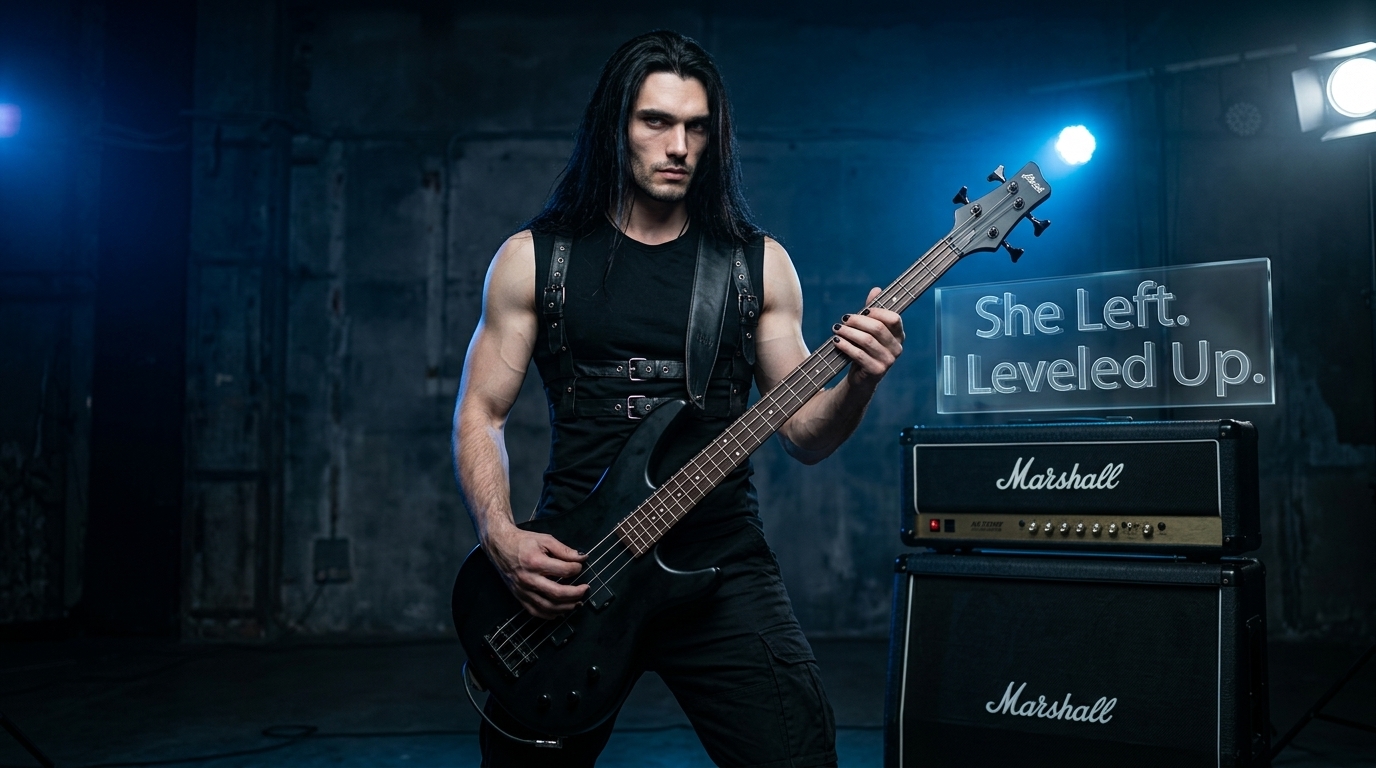
The door closed, shutting out the echoes of another life. Silence followed, not an absence but a presence in itself. It was in this silence that I found my true form. Abandonment didn’t erase me; it forged me. Like a blacksmith hammering steel, it shaped my discipline, my loyalty, and my emotional restraint. Forced self-sufficiency became my armor, a psychological fortress built not from comfort but from necessity.
Some people soften with healing, but I found structure in the chaos. My emotional control isn’t about feeling less; it’s about containing the storm within. Emotional containment isn’t repression; it’s the art of knowing when to unleash the fury and when to hold the line. The silence I learned to navigate was not a void but a battlefield, a place where I learned to trust the weight of my own footsteps before seeking ground in others.
Abandonment taught me that trust is not freely given; it is built over time, tested under pressure, and proven in the fiery crucible of experience. Relationships, for me, are not casual; they require the same discipline and loyalty that I give to my bass lines. They are the unspoken commands, the silent agreements that resonate stronger than any verbal pledge.
Some see emotionally guarded men as cold, but they misunderstand the strength it takes to be silent. The silence is not empty; it’s filled with the echoes of every battle fought within. It is my sanctuary, my place of power, where I build the strongest foundations in the absence of comfort.
In the world of Venomous Sin, music becomes the outlet for these unspoken battles. It transforms trauma into art, pain into rhythm, and silence into sound. The strongest structures are often built where comfort never existed, and in this, I find my truth.
https://venomoussin.com
https://shop.venomoussin.com
https://www.youtube.com/@venemoussin