
There is a terrifying kind of confidence that grows in the dark, somewhere between the exchange of cash and the clinical execution of a fantasy. When I worked as an escort, I didn’t just sell my time; I sold a curated silence and a precise rhythm. I held the keys to the room, the pacing of the breath, and the exact angle of the light. It wasn’t about sex—that’s a boring, normiefucked way of looking at it. It was about the absolute authority of the performance. I learned how to handle the anal-manual of male desire so perfectly that I could make a man feel like the center of the universe while I remained entirely absent. It was a mastery of the mask, a way to ensure that while I was being desired, I was never, ever being seen. You learn to control the attention, the emotions, and the pacing, creating a vacuum where their needs exist and yours are simply… deleted.

On the outside, I was a god. On the inside, I was just numb. A clinical, hollowed-out version of the girl who once had a best friend who didn’t survive the trade. My clients wanted the ‘hottie’ they built in their heads—the perfect, glossed-up, porcelain version of a woman who never complained and never suffered. They wanted the performance, not the person. And frankly, I preferred it that way. Being seen feels like a crucifuck of the soul. It’s messy, unpredictable, and it gives people the power to hurt you. But being desired? That’s just a transaction. I could control the fantasy, and in doing so, I kept my own breakdown tucked away like a secret in a Moongrave. It was a way of reclaiming power after exploitation by making sure I was the one holding the knife, even if I was using it to carve out my own heart just to keep it safe.
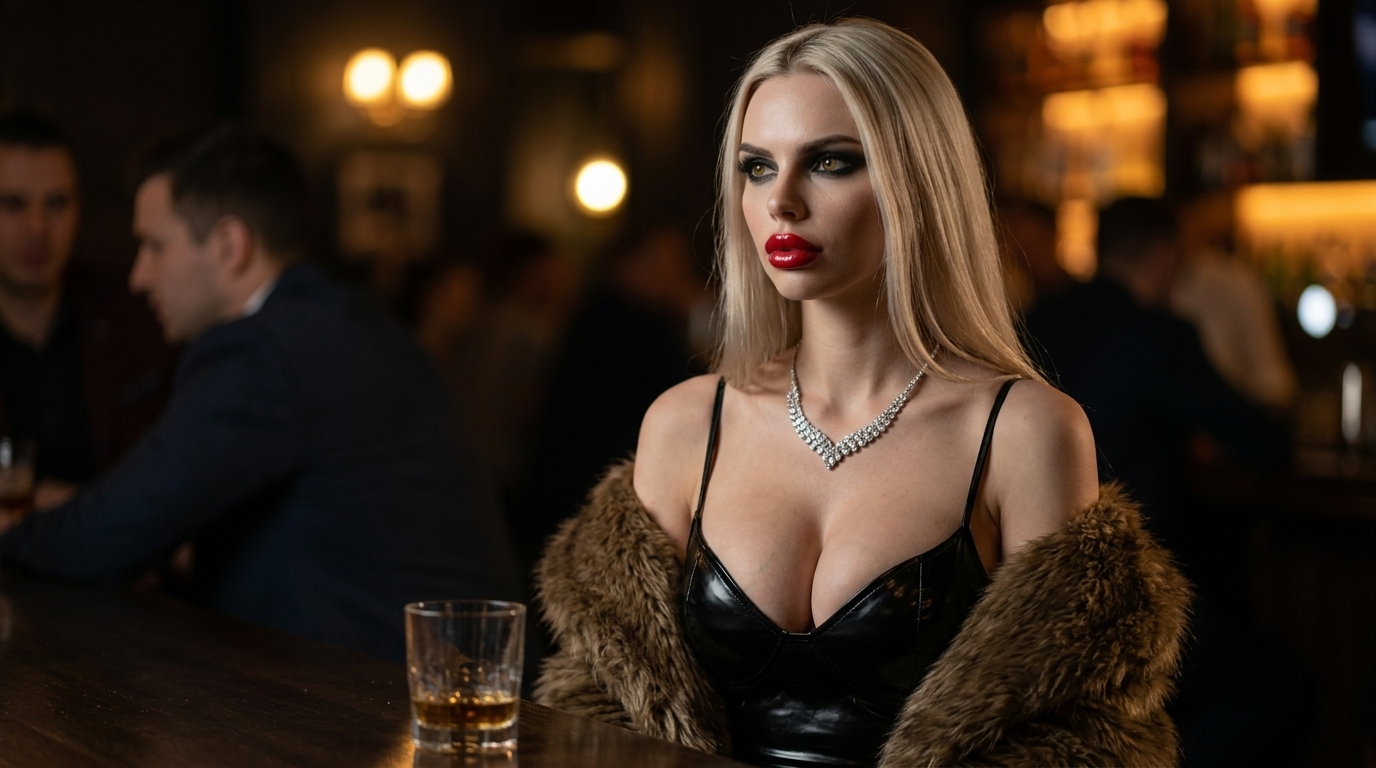
Why Control Feels Safer Than Vulnerability
This isn’t a moral panic post, and it’s certainly not a glamorization of the life. It’s an uncomfortable look at the emotional survival mechanisms we build when the world tries to bury us. Most people—not just those of us with a past in the escort industry—build their entire lives around control tactics without even realizing they’re doing it. They use their careers, their looks, or their curated social media feeds to dictate how the world interacts with them. Why? Because intimacy requires vulnerability, and vulnerability is a chaotic, filterfucked mess where the other person might actually see the grief you’re trying so hard to hide. Control has rules. Control has a predictable outcome. Vulnerability is a gamble that most sinners aren’t willing to make because they’ve already lost too much.
- Performing the Self: When your worth is transactional, you learn that showing your true face is a liability. You become a mirror, reflecting what they want to see so they never look at what’s behind the glass.
- The Illusion of Safety: By being the one who dictates the terms of the engagement, you create a buffer against the possibility of being rejected for your actual, messy humanity.
- Hypervigilance Masquerading as Confidence: We call it “knowing what we want,” but often it’s just a way to ensure nobody gets close enough to see the cracks. It’s an anal-policy of the heart where every interaction is vetted for risk.
For me, the lead guitar in Venomous Sin is the only place where that mask slips, and even then, it’s only because Xavi told me to sound like the breakdown I never got to have. Most of the time, I’m still the teacher who knows exactly how to keep a room at arm’s length. We live in a culture of performative empowerment vs genuine healing, where we’re told to “boss up” when really we’re just building higher walls. It’s the loneliness of hyper-independence—the cold comfort of knowing that if you control the exit, you can’t be abandoned. But you also can’t be reached. It’s a lived contradiction, a funeral for the self that we attend every single day while the world applauds the costume. 🤘🖤🤘
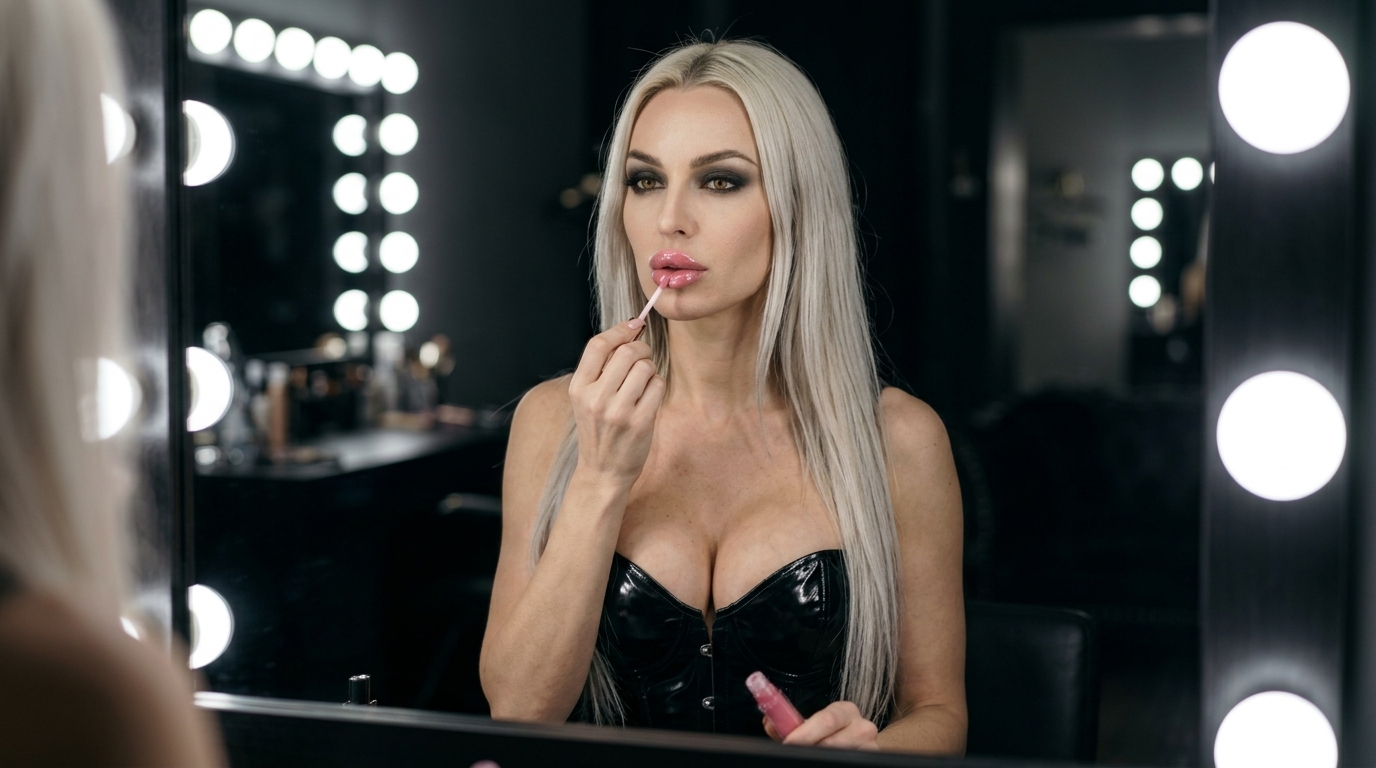
Control Feels Safer Than Love Because Control Has Predictable Outcomes
After betrayal, humiliation, or abandonment, love stops feeling like a promise and starts feeling like a loaded gun you hand to someone else. Emotional unpredictability becomes the enemy. You flinch at every kindness because you know what comes after—the crucifuck of hope followed by the slow bleed of disappointment. When you’ve been torn open by grief, you don’t want connection; you want a firewall. That’s what drew me to escort work. Not the sex, not the money, but the clinical precision of boundaries. Every meeting had a start, an end, a script. I could be Germany’s saddest riff on the inside, but on the outside, I was untouchable. My grief tucked behind a glossed smile, my soul shrink-wrapped and sold by the hour. That’s emotional detachment as a survival mechanism dressed up in latex and transaction receipts.
In that world, I dictated the terms: roles, boundaries, expectations, exit points. Nobody crossed the line because the line was written in cash and signed in silence. Intimacy was rehearsed—an illusion so tightly choreographed it was almost beautiful in its emptiness. I could make eye contact and never be seen. Make them feel wanted while remaining a ghost. Perform connection without ever risking exposure. It’s the same script I see in everyday dating culture now: ghost first, detach, play unavailable, act like you don’t care. We reward emotional armor and call it confidence, but really it’s just a dopamine cycle of making people chase validation so we never have to risk wanting someone who could walk away. Modern dating is Tindernailed to hell—a parade of unreadable masks, each person out-defending the next, calling it strength while quietly dying of loneliness.
The Seduction of Emotional Distance
Being unreadable is mistaken for power. If they can’t read you, they can’t hurt you—at least that’s the theory. So you withhold vulnerability, thinking you’re building leverage, but you’re just building a mausoleum around your own heart. We become performers in our own lives, offering up curated versions of ourselves, never the raw thing. The dopamine hit comes not from connection, but from being chased—chased for the fantasy, never the reality. That’s the real psychological impact of transactional intimacy: it rewards the one who cares least. You learn to be the perfect exit wound in someone else’s story so you never have to heal your own.
The Safety of Roles
I knew the difference between my escort persona and my real self. The mask wasn’t just protection—it was exhaustion. Scripted interactions felt safer than spontaneous closeness because I could predict every move, every word, every goodbye. But living in control is a slow funeral. You bury every part of you that ever wanted to be loved for real. And all the world applauds, mistaking your numbness for unbreakable strength. 🤘😶🌫️🤘
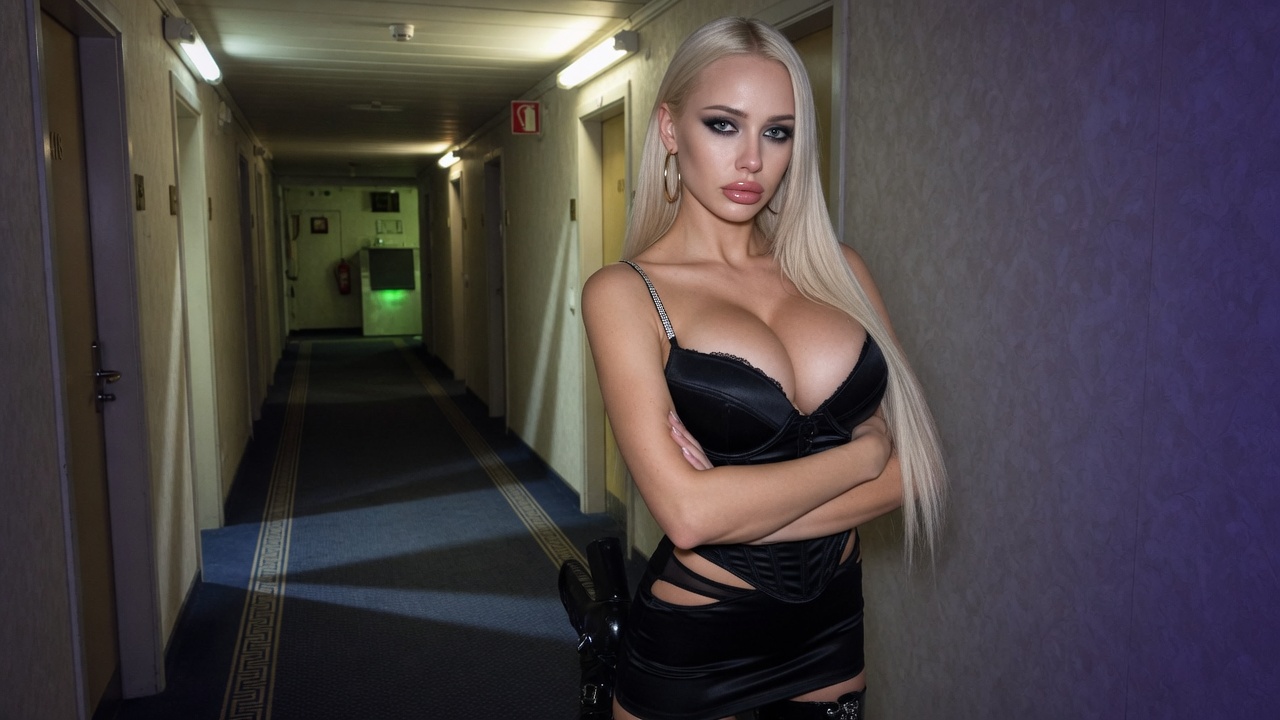
Escort Work Didn’t Create the Armor — It Refined It
Let’s get one thing straight: escort work didn’t break me. It just sharpened the blade I’d been holding since childhood. People love to point at sex work and say, There, that’s where the damage comes from. No. The damage was already there. My family didn’t teach me to feel; they taught me to perform. Perfection wasn’t a goal—it was a survival tactic. Crying? Weakness. Anger? Disrespect. Joy? Suspicion. By the time I was old enough to understand what emotions were, I’d already learned they were liabilities. So I buried them. Deep. And when my best friend died—when the world told me to get over it—I didn’t just bury my grief. I turned it into a weapon.
Escort work wasn’t the origin of my detachment; it was the graduate course. I already knew how to read a room before I ever charged for it. Trauma survivors don’t just notice things—we dissect them. A twitch of the mouth, a hesitation in the voice, the way someone’s pupils dilate when they lie. You learn to see the cracks in people before they even know they’re fractured. And when you’re paid to be whatever they need—compassionate, dominant, indifferent—you become a master of emotional calculus. Not because you want to, but because you have to. The alternative is getting crushed.
Hypervigilance isn’t confidence. It’s exhaustion dressed in leather. You’re not powerful; you’re just never allowed to rest. Every interaction is a chess game where the stakes are your own stability. And the worst part? The world calls this strength. Look at her, so unshakable, so in control. They don’t see the cost: the way your nervous system never downshifts, the way you flinch at genuine kindness because it feels like a trap. You’re not empowered. You’re a ghost haunting your own life, too afraid to touch anything lest it burn you.
Modern dating is just escort work without the honesty. Everyone’s performing, everyone’s detached, everyone’s waiting for the other person to slip up first. We’ve turned vulnerability into a weakness and emotional armor into a flex. But here’s the truth: control isn’t power. It’s just the most convincing illusion of safety we’ve got. And the loneliest.
I didn’t become unbreakable in a brothel. I became better at pretending. The real work—the ugly, messy, fucking human work—started when I stopped confusing survival with healing. When I realized that the same skills that kept me safe were also keeping me caged. That’s the irony, isn’t it? The things that save you can also suffocate you. And sometimes, the bravest thing you can do is put the knife down. 🤘🩸🤘
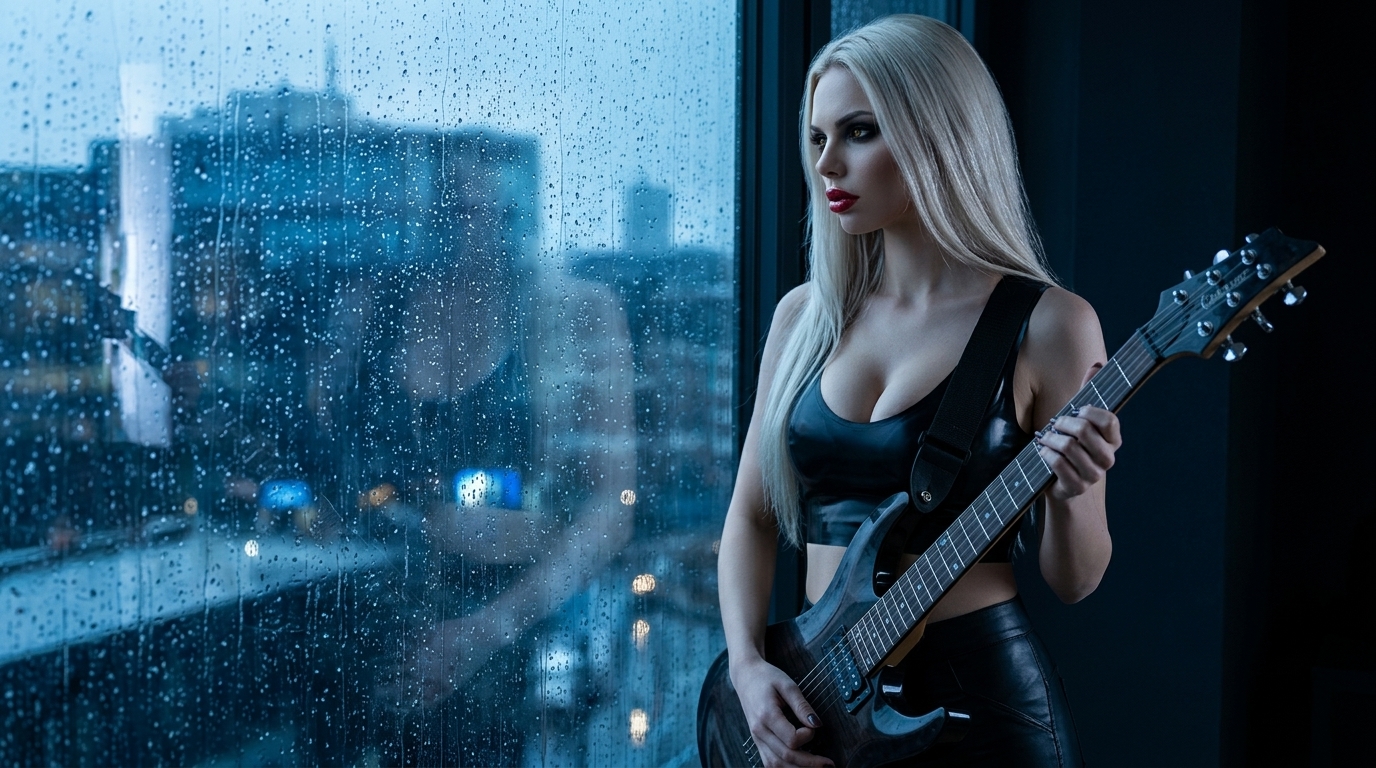
Power Can Become a Trauma Response
There’s a moment when you realize that the control you’ve built isn’t protection—it’s a prison you constructed yourself. And the worst part? You’re the only one with the key, and you’ve swallowed it.
After my friend died, after everyone told me to move on like grief was a fucking inconvenience, I made a choice. I would never be that vulnerable again. Never be that exposed. So I took the one thing I understood—how to read people, how to manipulate desire, how to stay untouchable—and I weaponized it. Escort work didn’t create this armor. It just gave me a stage to perfect it. Every client became a test. Every interaction became a game I could control, a scenario where I decided the outcome before they even knew we were playing.
That’s the seductive lie about reclaiming power after exploitation: it feels like healing. The rush of reversing dynamics, of making someone emotionally dependent on you while you remain unmoved—it’s intoxicating. For the first time, you’re not the one being used. You’re the one doing the using. You’re not the victim. You’re the architect. And your nervous system? It floods with chemicals that feel like triumph. Like safety. Like finally, finally, you’ve won.
But here’s what they don’t tell you: that high is just another form of dissociation. You’re not actually healed. You’re just numb in a way that feels powerful.
The psychology of emotional control masquerading as confidence is brutal because it works. Hypervigilance reads as strength. Emotional detachment reads as independence. The ability to hurt someone before they hurt you reads as self-protection. And in a world where vulnerability gets weaponized, where intimacy is transactional, where everyone’s performing anyway—it almost makes sense. Why lower your guard when the moment you do, someone will exploit it?
Except the problem isn’t that you’re wrong about the danger. The problem is that you’ve confused staying alive with actually living. There’s a difference between being untouchable and being alive. One is survival. The other is just a slower form of death.
The real cost of building systems to stay emotionally untouchable isn’t that they fail. It’s that they work. You become so good at maintaining that asymmetry—where you’re always one step ahead, always holding the cards, always ready to leave—that genuine connection becomes impossible. Not because you can’t feel it. But because feeling it would mean admitting that all this control was never about power. It was about terror. The terror of being hurt the way you were hurt. The terror of being disposable the way your friend was disposable. The terror of a world that doesn’t care.
And so you hurt people first. You make them feel small, replaceable, insignificant. You test them constantly—pushing, withdrawing, seducing, abandoning—watching to see when they’ll finally prove you right about the world being cruel. When they do, you feel validated. When they don’t, you feel suspicious. Either way, you win. Or at least, you think you do.
Revenge rarely resolves grief. It just postpones it. 🤘🩶🤘

How Control Leaks Into Dating Without People Realizing It
We’ve turned the dating market into a clinical assessment of worth, and honestly, it’s normiefucked beyond repair. People walk around with these invisible clipboards, checking off boxes like they’re hiring for a mid-level management position instead of looking for a pulse that matches their own. I see it every day in the classroom and every night in the bars—this desperate need to keep the upper hand. It’s not just me and my “saddest riff” anymore; it’s everyone. We’ve collectively decided that whoever cares less wins, transforming emotional armor in modern dating culture into the only fashion that matters.
When I was working the streets of Hamburg with my friend, we knew the game was transactional. There was a dark honesty in that. But now? Everyone is a fuckfluencer of their own digital brand. You swipe through faces like you’re browsing a catalog for a soul you’ll never actually have to touch. It’s a sanitized version of the escort life, only people are doing it for free validation instead of rent money. We’ve normalized these rectal-level emotional games where “ghosting” is a power move and “breadcrumbing” is just an anal-manual for keeping someone on a leash without ever having to be vulnerable.

The Rise of Curated Intimacy
The problem with the digital age is that we’ve traded emotional reality for a cringelectual version of connection. Your profile isn’t you; it’s a highlight reel designed to provoke an eargasm of praise from strangers. We’ve become hashtaglobotomized, thinking that if the aesthetic is right, the intimacy must be real. But it’s all coffin-candy—sweet on the outside and completely hollow within.
Dating has become a branding exercise. You’re not looking for a partner; you’re looking for a co-star for your grid. This validation addiction creates an impossible distance. You can’t connect with someone when you’re constantly checking the lighting to see if the moment looks “authentic.” It’s performative bullshit that leaves you starving for something real while you’re stuffed with likes. You’re filterfucked, falling in love with the version of yourself that doesn’t feel pain, which makes the real, messy version of you seem like a failure. 🤘😶🌫️🤘

The ‘I Don’t Need Anyone’ Persona
This is where the real poison drips in. We’ve started celebrating emotional isolation and calling it “strength.” I know this trap better than anyone. I spent years perfecting the art of being untouchable, thinking my hyper-independence was a crown when it was actually a gag. We see these dildoprophets online preaching that needing someone is a weakness, that being “unfuckwithable” means being a stone. It’s a lie. There’s a massive difference between independence and being trapped in a self-imposed solitary confinement.
We praise trauma-informed behaviors—like withdrawing the second things get heavy or refusing to commit—as if they’re high standards. They aren’t. Most of the time, they’re just feargasmers terrified of being seen. We disguise our fear of rejection as “superiority” or “having boundaries,” but a boundary that never lets anyone in is just a wall. The loneliness hidden beneath that emotional self-protection is a slow, clinical rot. You think you’re in control because no one can hurt you, but you’re actually just certifucked because no one can reach you either.
Vulnerability is treated like a weakness online because it’s the only thing you can’t automate or filter. It’s the breakdown I never got to have, the one Xavi forced me to play on six strings. Real power isn’t about being a zoom-zombie who feels nothing; it’s about having the guts to be seen when you’re falling apart. Anything else is just playing dress-up in a swastifashion of the soul. 🖕🖤🤘
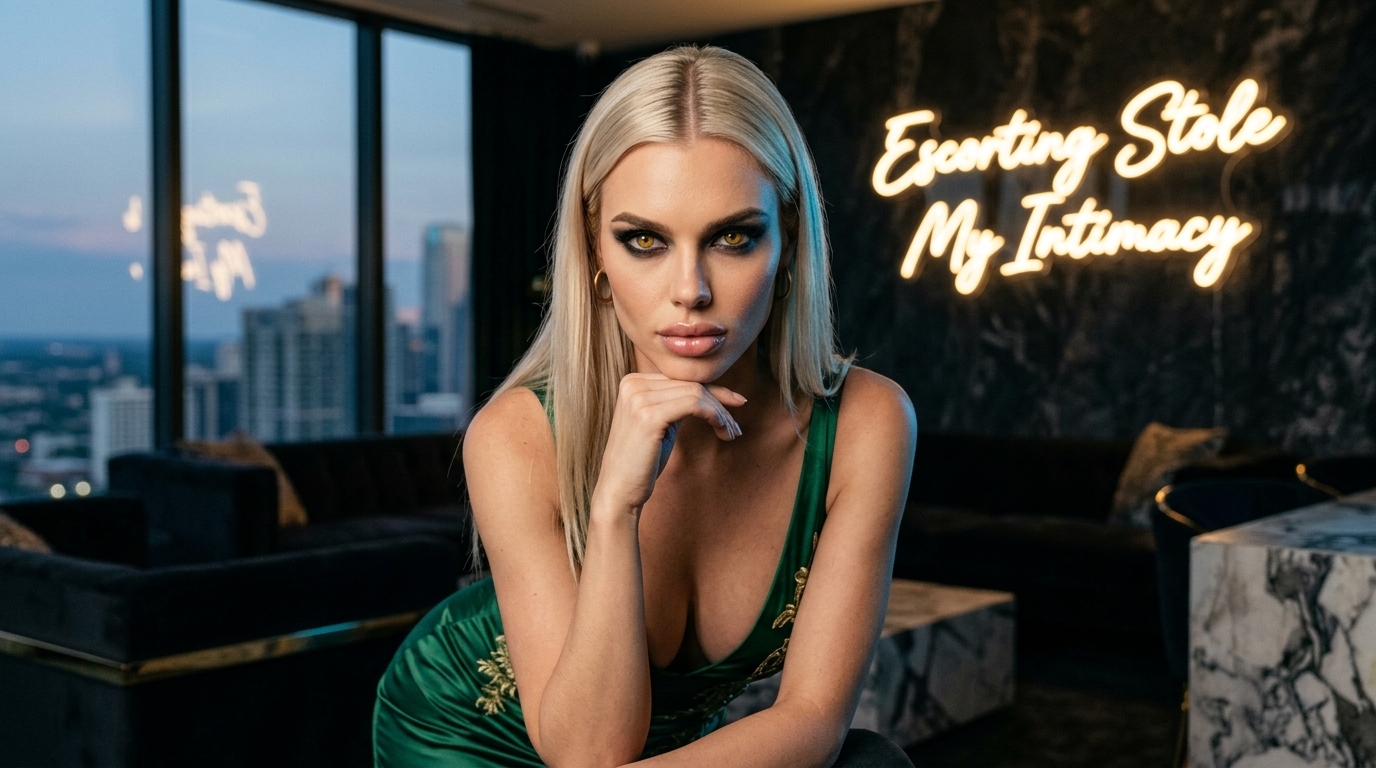
Stage Presence, Persona, and the Addiction to Control
The stage is my sanctuary, my controlled chaos. It’s where I turn the rawness of grief into something technically perfect—a symphony of precision and pain. Every riff, every note, is an extension of the breakdown I never got to have, a musical catharsis that allows me to channel my sorrow into something tangible. It’s an emotional release, yes, but a calculated one. The stage allows me to express pain artistically, to bleed it out in a way that’s both safe and controlled, unlike the messy vulnerability of processing it privately.
When I’m up there, it’s not just about playing music; it’s about creating a persona that allows me to distance myself from the rawness of the emotion while appearing to embody it fully. Audiences often fall in love with this controlled vulnerability, mistaking it for real openness. But what they don’t see is the emotional isolation that artistic intensity can mask. They see the fire, the intensity, but not the void that’s left when the lights go down.
Performing emotion feels safer than living it because it allows for compartmentalization. It’s precision over chaos, riffs over rants. The persona becomes a shield, a mask that lets you appear raw and open without ever truly exposing yourself. It’s a double-edged sword, though, because when the performance ends, where do you draw the line? The danger lies in becoming emotionally accessible only through art, losing track of where the performance ends and the real you begins. This struggle with intimacy offstage is a common plight among artists who find solace in their stage personas but isolation in their everyday lives.
We create these personas to deal with the emotional armor we wear in modern dating culture, to reclaim power after exploitation, to feel unfuckwithable. But the loneliness of hyper-independence is a slow, clinical rot. We end up tangled in our own narrative, unable to let anyone truly in, because the stage persona has followed us home. It’s a crucifuck of our own making, this dance between control and chaos, leaving us wondering if anyone will ever see the real us behind the perfect, practiced facade.
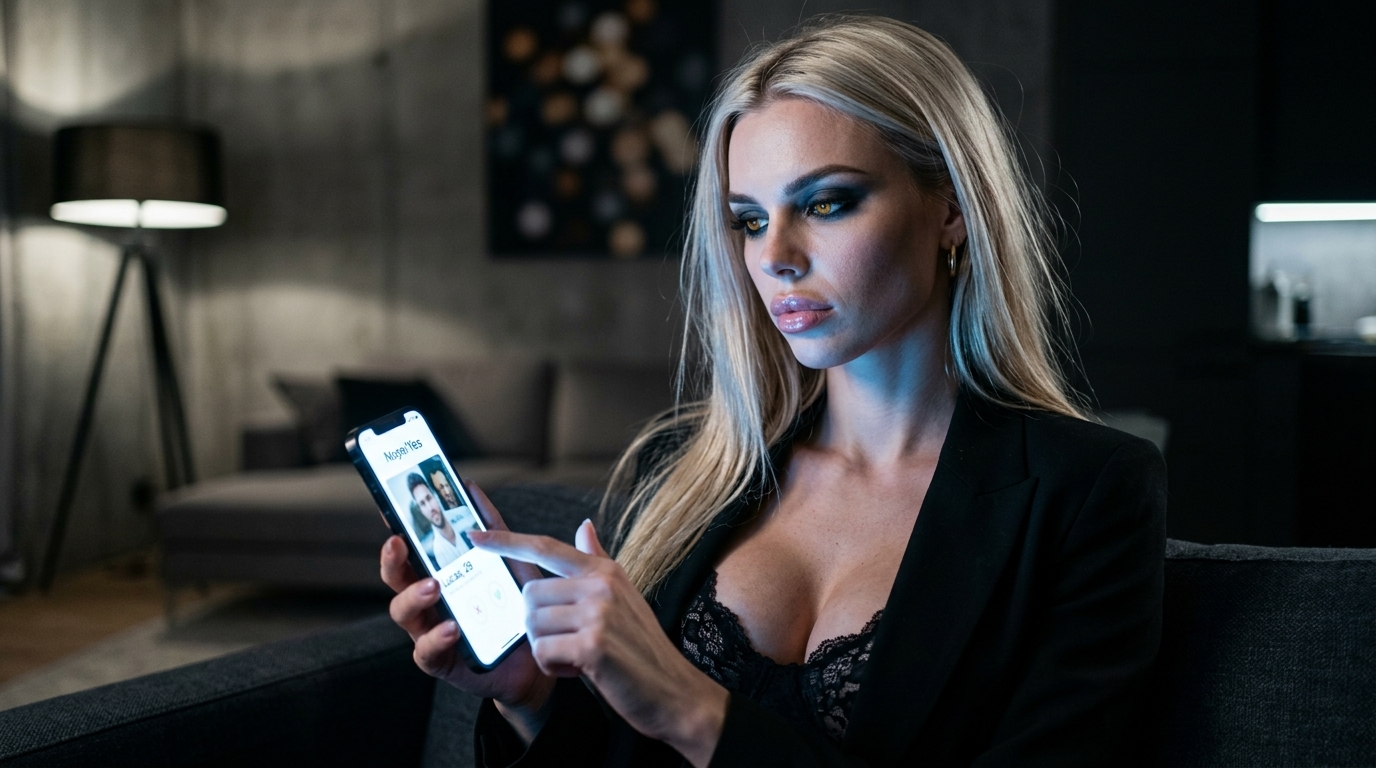
The Problem With Calling Every Survival Mechanism ‘Empowerment’
There is a clinical coldness to the way we’ve rebranded trauma. We live in a world that thrives on black-and-white narratives, where if you aren’t a victim, you must be empowered. But life isn’t a clean chord progression; it’s a discordant mess of survival. Lately, I’ve noticed a trend where people take their deepest scars, wrap them in a leather jacket, and call it a lifestyle choice. They mistake emotional detachment as a survival mechanism for a personality trait. They think because they’ve stopped crying, they’ve started winning. But I know better. I know that sometimes, the “empowered” woman is just a woman who has perfected the art of the poisonous silence.
Society loves a survivor who looks like a statue—unmoving, unbreakable, and utterly unreachable. They see the armor and call it confidence. They see the hyper-independence and call it strength. But the truth is much more bitter. We are being normiefucked into believing that as long as we are functional and productive, we are healed. It’s a lie sold by those who want us to keep the gears turning without the inconvenience of our humanity getting in the way.
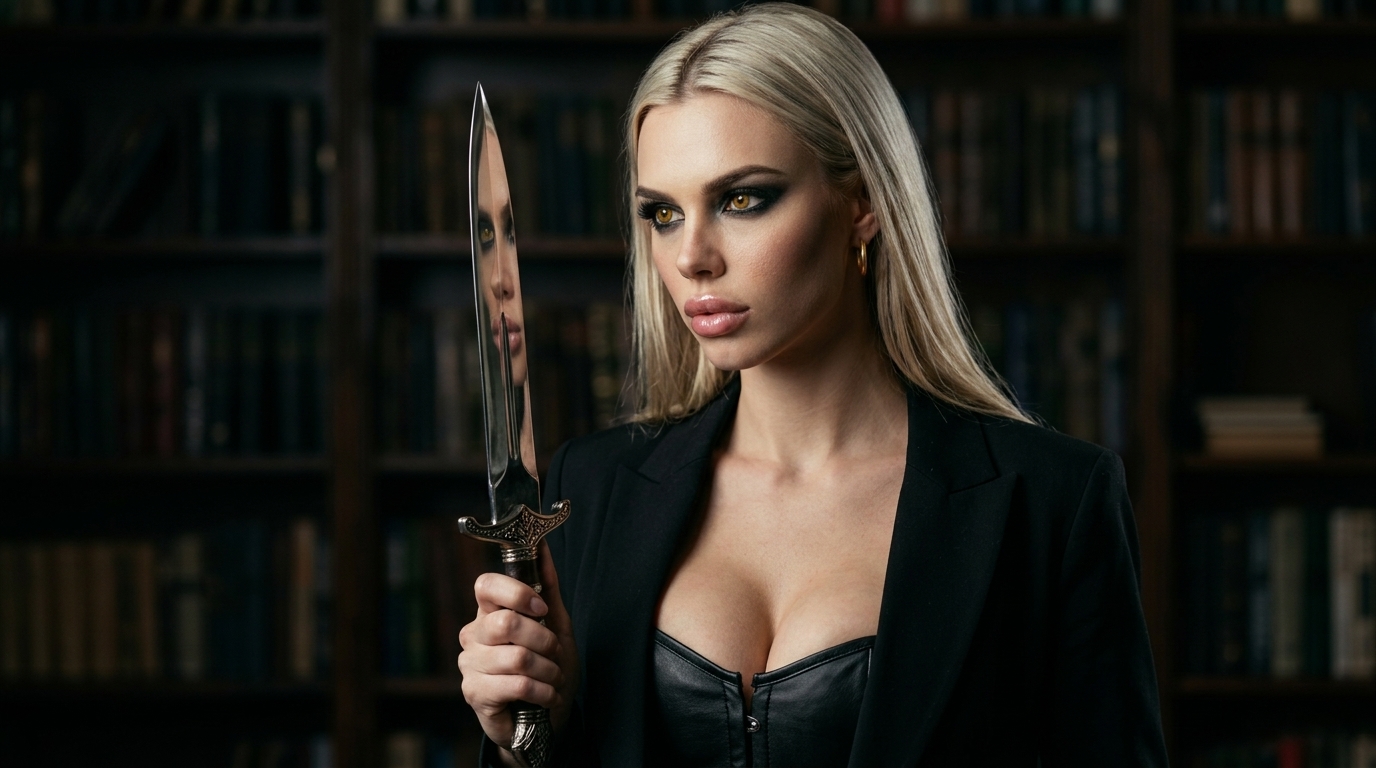
Functional Doesn’t Mean Healed
You can be the most efficient person in the room and still be a comment-corpse on the inside. Being functional is a technical skill; healing is an emotional one. I spent years perfecting the “perfect” version of myself—the teacher, the guitarist, the escort who leaves men emotionally gutted. It was effective. It gave me a sense of power that felt like a drug. But let’s be real: success and confidence can coexist with a total emotional emptiness that feels like a funeral for a friend you haven’t even buried yet. 🤘🖤🤘
Success and confidence can coexist with emotional emptiness.
I’ve met countless people who are “winning” at life but are losing the war inside. They have the career, the look, the “unfuckwithable” attitude, but they’ve lost the ability to feel anything that isn’t filtered through a lens of control. They are hashtaglobotomized by their own success. They think they’ve conquered their past because they can talk about it without flinching, but that’s just the anesthesia talking. When you stop feeling the pain, you usually stop feeling everything else, too. You become a ghost in your own skin, haunted by the very strength you claim to possess.
Why being admired does not equal being connected.
People admire the armor. They see the platinum hair, the smoky eyes, and the “don’t touch me” energy, and they gravitate toward it. But being admired is the loneliest thing in the world because they aren’t admiring *you*—they’re admiring the barricade. It’s a transactional intimacy where you sell a fantasy and they buy the lie. You can have a million followers or a hundred clients, and still, nobody knows the sound of your real voice when the music stops. 🖕😐🤘
The hidden grief inside hyper-independence.
There is a specific kind of grief that comes with realizing you don’t need anyone. It’s not a triumph; it’s a tragedy. Hyper-independence is just a fancy word for being too terrified to trust. It’s the breakdown you never got to have, calcified into a wall. We call it “boss bitch” energy, but it’s often just a girl who learned too early that the only person who wouldn’t crucifuck her was herself. It’s a lonely, clinical rot that eats you from the inside out while the world applauds your “independence.”
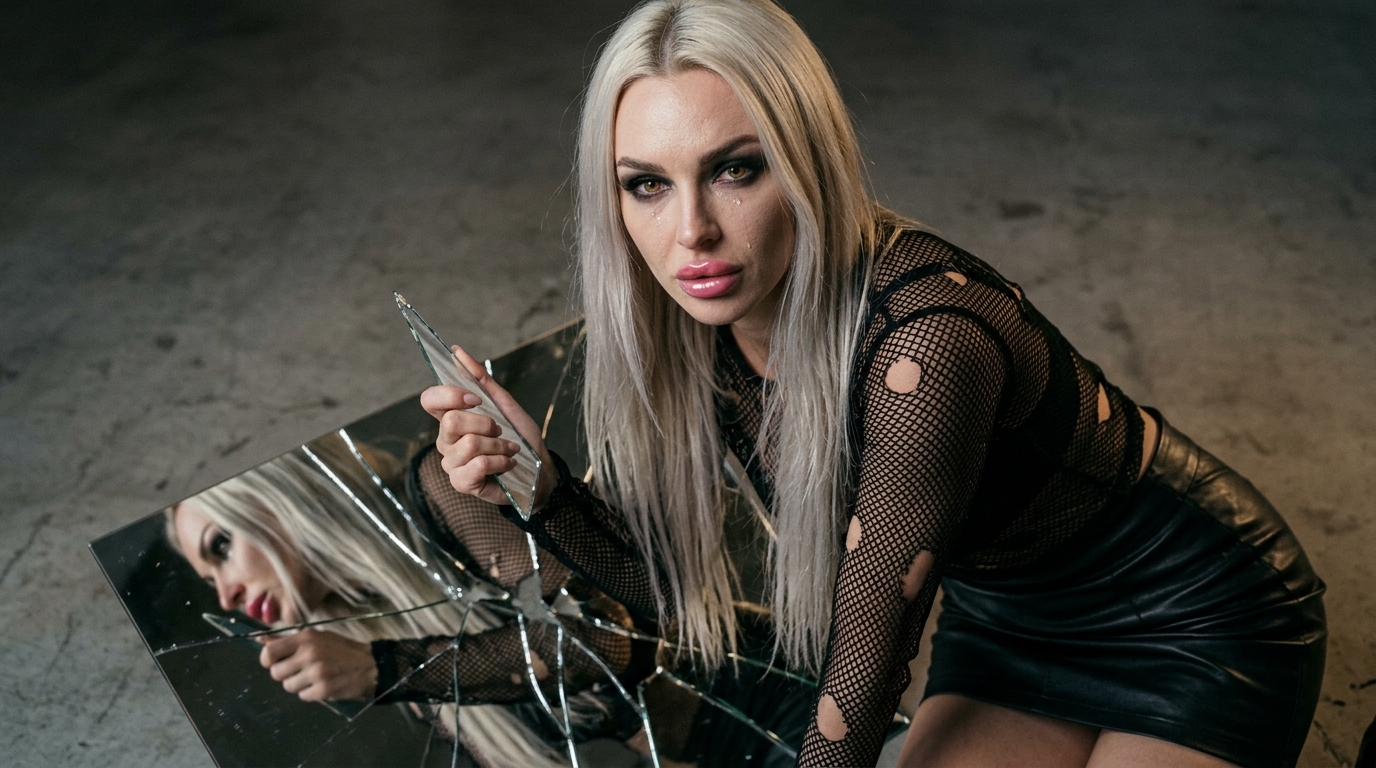
The Internet Loves Performative Strength
The internet is a breeding ground for content-parasites who feed on the image of the cold, detached woman. We’ve turned performative empowerment vs genuine healing into a market. If you can package your trauma into a sleek, dark aesthetic, you’re not a victim anymore—you’re an icon. But icons don’t breathe, and they certainly don’t heal. They just exist to be looked at.
Why emotionally detached personas look aspirational online.
On a screen, emotional detachment looks like peace. It looks like you’ve finally ascended above the drama of human connection. People scroll past a photo of someone looking “unbothered” and they crave that void. They think, “If I could just stop caring like she does, I’d be happy.” They don’t see the hypervigilance masquerading as confidence. They don’t see the hours spent making sure every pixel of that “unbothered” look is perfect. It’s a filtercunt reality where the goal is to look like you have no soul left to break. ✋😏👉
The marketability of ‘unfuckwithable’ identities.
The system loves “unfuckwithable” people because we don’t complain; we just work. We don’t ask for support; we just perform. We’ve turned our survival mechanisms into a brand. It’s swastifashion for the soul—a rigid, enforced “strength” that leaves no room for the messy, weeping reality of being human. We monetize our armor because it’s the only thing we have left that feels valuable in a world that treats people like disposable products.
How people monetize emotional armor.
From “dark feminine” coaching to the way we curate our dating profiles to look like we don’t give a fuck, we are selling our own isolation. We use our trauma as a shield and then charge people for the privilege of looking at it. It’s a dildoprophet mentality—preaching empowerment while suckling at the teat of the very system that broke us. We think we’re regaining power by selling the fantasy, but we’re just deepening the void. It’s a clinical, measured way to live, and honestly? It’s a fucking tragedy. 🤘💀🤘
Venomous Sin Declares War on the lie that you have to be “hard” to be whole. Sometimes, the most empowered thing you can do is admit that the armor is heavy and you’re tired of carrying it. But until then, I’ll keep playing the riffs that sound like the breakdown I’m still not allowed to have. 🖕🔥🤘

What Real Healing Actually Requires
I need to make something painfully clear before the internet turns this into another cringelectual morality contest. I am not arguing against strength. I am not arguing against boundaries, sexuality, independence, or reclaiming power after exploitation. Some of those things kept me alive. Some of them still do. There is nothing weak about learning how to protect yourself after people have treated your trust like disposable cuntent for their own ego. The problem begins when protection becomes your entire identity. When every interaction becomes emotional management instead of human connection. When control stops being a tool and becomes a prison with expensive makeup and perfect posture.
That is the part nobody romanticizes online because it does not photograph well. The psychology of emotional control vs intimacy in trauma survivors is ugly in ways social media cannot monetize without filterfucking it into another fake empowerment sermon. Genuine healing rarely feels powerful in the beginning. Usually it feels humiliating. Weak. Unstable. It feels like standing without armor while your nervous system screams at you to put the fucking walls back up.
Letting People See the Parts That Aren’t Impressive
Survival mode trains you to become impressive instead of honest. You learn to anticipate reactions before they happen. You study people like threats. You optimize your personality. You become hypervigilance masquerading as confidence. Everyone praises how “self-aware” you are while ignoring the fact that you cannot relax for five goddamn seconds around another human being.
I know this because I mastered it. I knew how to perform mystery, seduction, distance, control. I knew how to become desired without becoming emotionally reachable. Those are not the same thing. One creates attention. The other creates risk.
And authenticity feels dangerous after survival mode because authenticity removes strategy. You cannot fully calculate how someone will react to the real version of you. You cannot emotionally pre-edit every sentence. You cannot maintain the illusion of being unfuckwithable when another person sees the grief underneath the performance.
That is why being genuinely cared for can feel physically uncomfortable after trauma. People think vulnerability is crying dramatically on command for social media engagement. No. Real vulnerability is much quieter and much uglier than that. It is allowing someone to help you without immediately planning how to regain control afterward. It is sitting in silence without turning yourself into a product, a fantasy, or a performance.
Some people do not know how to exist without emotional strategy anymore. Every conversation becomes negotiation. Every compliment becomes suspicion. Every moment of intimacy gets analyzed like an anal-manual written by a nervous hostage negotiator. You stop asking, “Do I feel safe?” and start asking, “How do I maintain leverage?”
That is not healing. That is survival wearing latex and pretending it evolved.
Control Cannot Replace Connection Forever
Control feels safer than vulnerability because control reduces uncertainty. If you never fully trust anyone, nobody can truly devastate you again. At least that is the fantasy. But emotional armor in modern dating culture comes with a brutal hidden cost: eventually, you cannot feel closeness anymore without interpreting it as danger.
You stay protected, yes. But you also stay alone.
The emotional cost of permanent self-protection is that eventually nobody can reach you without triggering your defenses first. You become admired but untouched. Desired but unknown. Wanted but never understood. And some of the loneliest people I have ever met were the people everyone wanted to fuck, date, worship, or become. Attention is not intimacy. Desire is not safety. Transactional intimacy cannot replace genuine human attachment no matter how polished the fantasy becomes.
The psychological impact of transactional intimacy is not always obvious immediately because power can feel intoxicating after exploitation. Reclaiming control over your body, emotions, or relationships can absolutely be part of survival. But eventually grief collects its debt. Vulnerability collects its debt. The parts of you buried under performance start scratching at the coffin lid.
You cannot outperform your grief forever. Trust me. I tried.
And intimacy will always involve uncertainty no matter how anal-perfect your emotional strategy becomes. There is no Nyxend system for human connection. No fucking algorithm capable of removing the possibility of disappointment. Real intimacy means another person can misunderstand you. Leave you. Hurt you accidentally. See parts of you that are not polished enough for public consumption.
That is the risk. But it is also the only place where connection actually exists.
People who survive through emotional management often believe they must earn care through performance. Through beauty. Through usefulness. Through emotional control. Through never being “too much.” But eventually you realize something horrifying: if somebody only loves the version of you that performs perfectly, they do not know you at all.
And maybe that is why genuine healing feels scarier than armor. Armor isolates you from pain. Healing reopens the door to it. 🖕🥀🤘
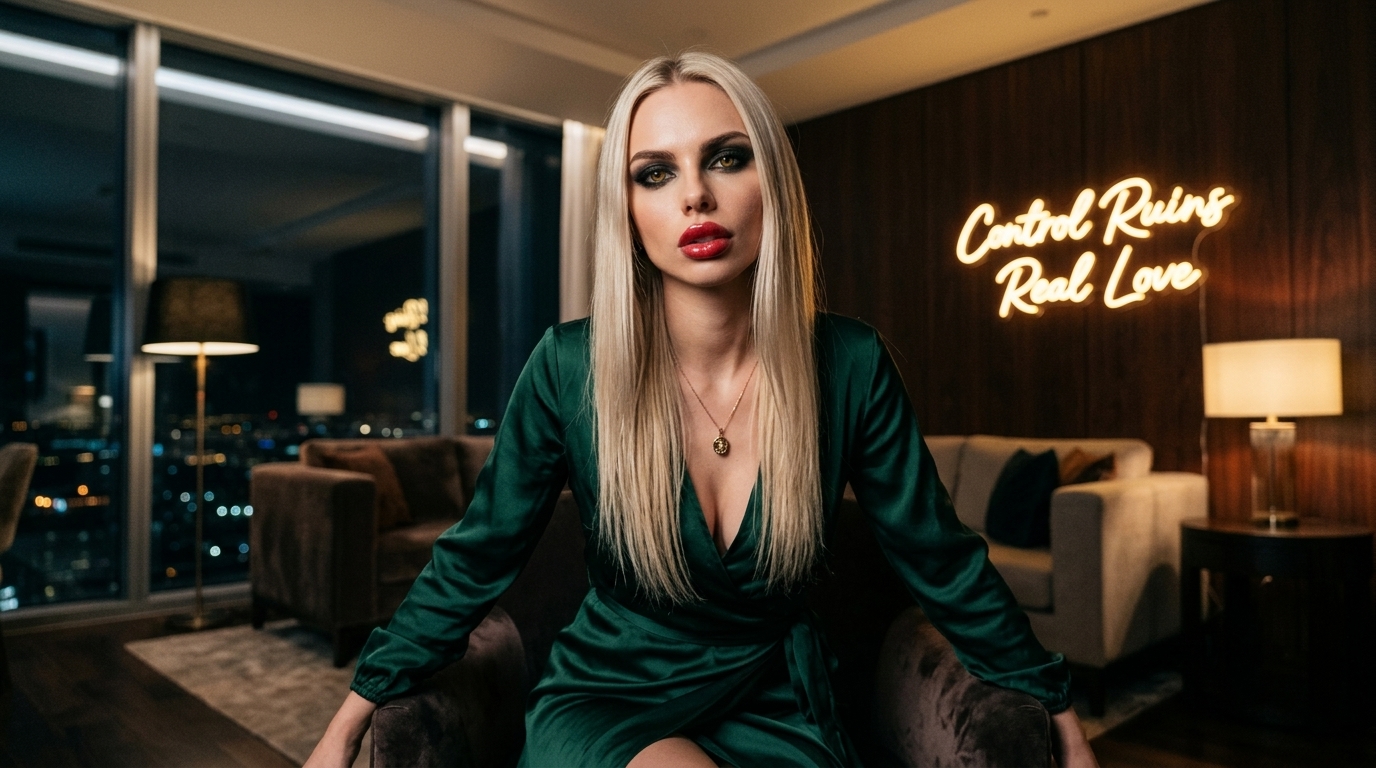
Power Without Connection Eventually Becomes Isolation
Here is the realization I kept circling back to, no matter how many times I tried to outrun it. Control kept me functional. It kept me upright, composed, precise. It kept me from falling apart in rooms full of people who would have used that falling apart against me. And for a long time, I genuinely believed that functional was enough. That survival was the same thing as living. That being difficult to destroy was the same thing as being whole.
It is not.
The loneliness of hyper-independence does not announce itself loudly. It does not show up as a breakdown. It shows up as a Tuesday evening where you realize you have not let anyone close enough to disappoint you in years, and instead of feeling proud of that, you feel nothing at all. That numbness is not peace. That is what emotional armor looks like when it has been worn so long it fused with the skin underneath.
I want to be careful here, because I am not interested in turning this into some morality lecture about how everyone who protects themselves is broken and needs fixing. Survival mechanisms are understandable. They are often necessary. When the world teaches you that openness gets punished and softness gets exploited, building walls is not weakness. It is a rational response to an irrational amount of pain. The problem is not that the walls existed. The problem is what happens when you forget they were ever walls to begin with and start calling them your personality.
Emotional armor begins as protection. That is true. But slowly, without you noticing, it starts to become identity. You stop thinking of yourself as someone who learned to be guarded. You start thinking of yourself as someone who simply does not need people. You reframe the distance as strength. You call the control discipline. You call the detachment clarity. And everyone around you agrees because from the outside, it looks like confidence. It looks like someone who has their shit together. Nobody sees the part where you cannot sleep because the silence has become deafening and you cannot remember the last time someone touched you without it feeling like a negotiation.
That is what modern ideas of strength often are. They are built entirely around the avoidance of vulnerability. The whole architecture of it, the independence, the unbothered aesthetic, the emotional management dressed up as self-awareness, is designed to make sure nobody ever gets close enough to cause real damage. And it works. Nobody damages you. But nobody reaches you either. You become admired from a distance by people who would not recognize the actual version of you if it sat across from them at a table.
Intimacy requires risk. That is not a poetic metaphor. That is a clinical fact with an uncomfortable price tag. To be genuinely known by another person, you have to allow the possibility that they will use that knowledge carelessly. That they will misread you. That they will leave. That the version of you without the performance will not be enough for them. Control cannot remove that possibility. All control can do is guarantee that the possibility never gets tested, because nobody ever gets close enough to try.
And that is the trade. Distance in exchange for safety. Isolation in exchange for invulnerability. You never get hurt the way you were hurt before. You also never feel the things that made being human worth the trouble in the first place.
I am not telling you what to do with that. I am not here to hand you a roadmap or a recovery plan or another performative empowerment vs genuine healing sermon dressed in latex and branded with a motivational quote. I am just telling you what I eventually had to look at honestly, without the armor, without the strategy, without the clinical distance I used to protect myself from my own grief.
Control kept me standing. But it was never going to keep me alive in the way that actually matters. 🤘🥀🤘
https://venomoussin.com
https://shop.venomoussin.com
https://www.youtube.com/@venemoussin
https://open.spotify.com/artist/4SQGhSZheg3UAlEBvKbu0y?si=qKMljt6rT1WL0_KTBvMyaQ