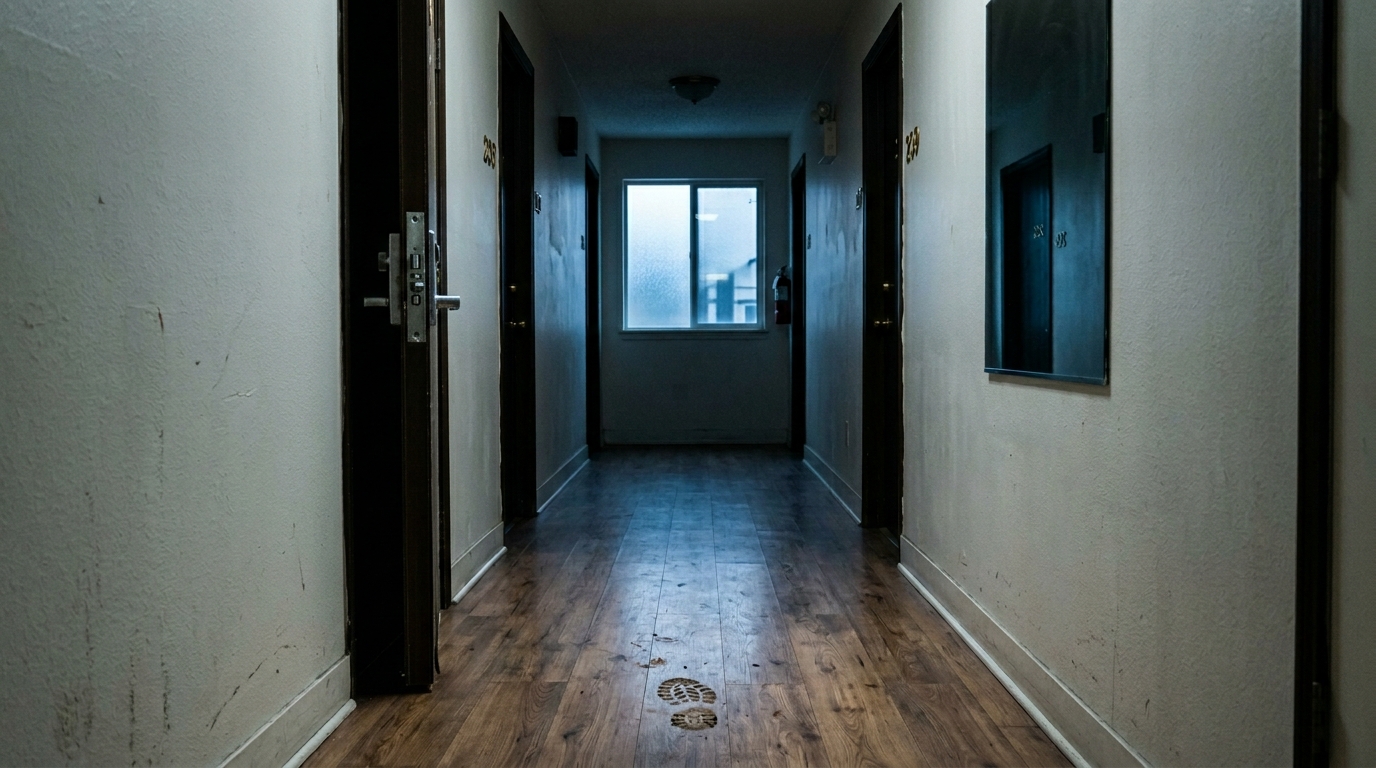
People love noise because noise lets them pretend they saw it coming. Sirens, screaming, broken glass, some cinematic revenge fantasy where everybody gets a speech before they get what they deserve. Sheila Moongrave doesn’t work like that. She never needed fireworks. She is what happens when grief stops crying and starts thinking. That is the part most people miss when they talk about Sheila Moongrave silent vengeance techniques. They expect rage with a knife in its teeth. What they get instead is something colder, cleaner, and a lot more frightening: intention.

Sheila was not forged by some plastic revenge fantasy for dopamine junkies and cuntent-parasites who think justice is a caption and a black-and-white selfie. She was shaped by silence. By the kind of silence that comes after people tell you to get over something that carved your insides open and left them on the floor. That kind of pain does not disappear. It reorganizes. It becomes method. It becomes posture. It becomes poisonous silence. And Sheila learned to use that silence the same way other people use threats. Better, actually. Threats are loud. Loud is sloppy. Loud leaves fingerprints on the soul.
The psychological shift from victim to vigilante is never as glamorous as bad storytelling wants it to be. It is not one dramatic night where some switch flips and suddenly a broken person becomes unstoppable. No. It’s uglier than that. Slower. More clinical. First you learn that nobody is coming. Then you learn that pity is an insult wearing perfume. Then you stop asking to be understood. That is where Sheila begins. Not in chaos. In precision. In the exact moment grief becomes selective and starts taking notes.
That is why the scythe fits her, even when no literal blade is in her hand. The scythe symbolism in modern storytelling usually gets reduced to some anal-manual cliché about death, harvest, endings. Fine. Cute. But with Sheila it means separation. She cuts illusion from consequence. She slices the fake mask off people who thought they could move through life untouched, unjudged, unmarked. A scythe does not flail. It sweeps. Efficient. Elegant. Final. That is her whole presence. She does not stomp into the room demanding fear. She lets people keep talking until they expose the softest place to strike.
And strike does not always mean blood. That’s another thing the clit-pilots and basement-bullies don’t understand. Silent justice methods are not about volume of destruction. They are about accuracy of aftermath. A loud idiot wants pain to be seen. Sheila wants it to be understood too late. She knows where shame lives. She knows how people build themselves out of lies, habits, routines, social camouflage, and cheap little ego rituals. She has spent enough time watching people perform perfection to know exactly where the foundation cracks. So when she moves, she does it like a funeral veil slipping over a mirror. By the time they realize what’s happening, the room already belongs to her.

That coldness did not come from nowhere. It came from being told emotion was weakness, from watching pain be dismissed until dismissal itself became the enemy. That is why even her seduction, her distance, her pauses carry that clinical sting. Sheila doesn’t need to scream to dominate a space. Her restraint is the violence. Her calm is the warning label. And if you know anything about her history, you know why. She learned the hard way that open wounds attract scavengers. So she buried the wound, sharpened the grave marker, and taught it to play guitar.
Because that is where the corpse really wakes up.
When Sheila plays, the silence doesn’t vanish. It gains teeth. The guitar becomes the one place where all that buried grief is allowed to crawl back out, dressed in distortion and technical cruelty. Xavi told her to make it sound like the breakdown she never got, and that wasn’t therapy wrapped in glitter. That was recognition. Real recognition. Not pity. Not hashtag-haloed bullshit. Use it, or let it rot. Sheila chose use. So when people say her riffs feel haunted, they are right. They are hearing memory weaponized. They are hearing sorrow distilled until it becomes sharp enough to open skin without ever touching flesh.
- She watches before she acts, because reaction without observation is amateur hour.
- She lets people reveal themselves, which is always more efficient than forcing a confession.
- She understands that silence creates panic faster than noise when the target knows something is wrong but cannot prove what.
- She attacks identity, illusion, and emotional weak points before she ever wastes effort on spectacle.
- She carries the aftermath inside herself, because people like Sheila do not walk away clean even when the job is done beautifully.
That last part matters. Anyone romanticizing the psychological toll of living in the shadows has watched too many pretty revenge stories written by dildoprophets with no blood in their vocabulary. There is always a price. Living like that means constant vigilance, constant measurement, constant distance. It means becoming so fluent in reading danger that normal life starts to feel like a badly written script. It means control becomes both armor and prison. Sheila knows how to make others bleed internally, yes, but every elegant execution leaves residue. Not guilt, necessarily. Something more complicated. The ache of knowing exactly why you became this precise in the first place.
That is what makes her dangerous and human at the same time. Sheila is not some cardboard angel of vengeance floating around handing out moral homework. She is grief with posture. She is sorrow in heels. She is the slow, deliberate refusal to let cruelty pass unmarked. And in a world full of free-speech-wankers, fauxpen-minded hypocrites, and comment-corpses pretending harm only matters when it trends, there is something deeply unsettling about a woman who does not beg to be heard. She just makes sure the right people never sleep quite the same again.
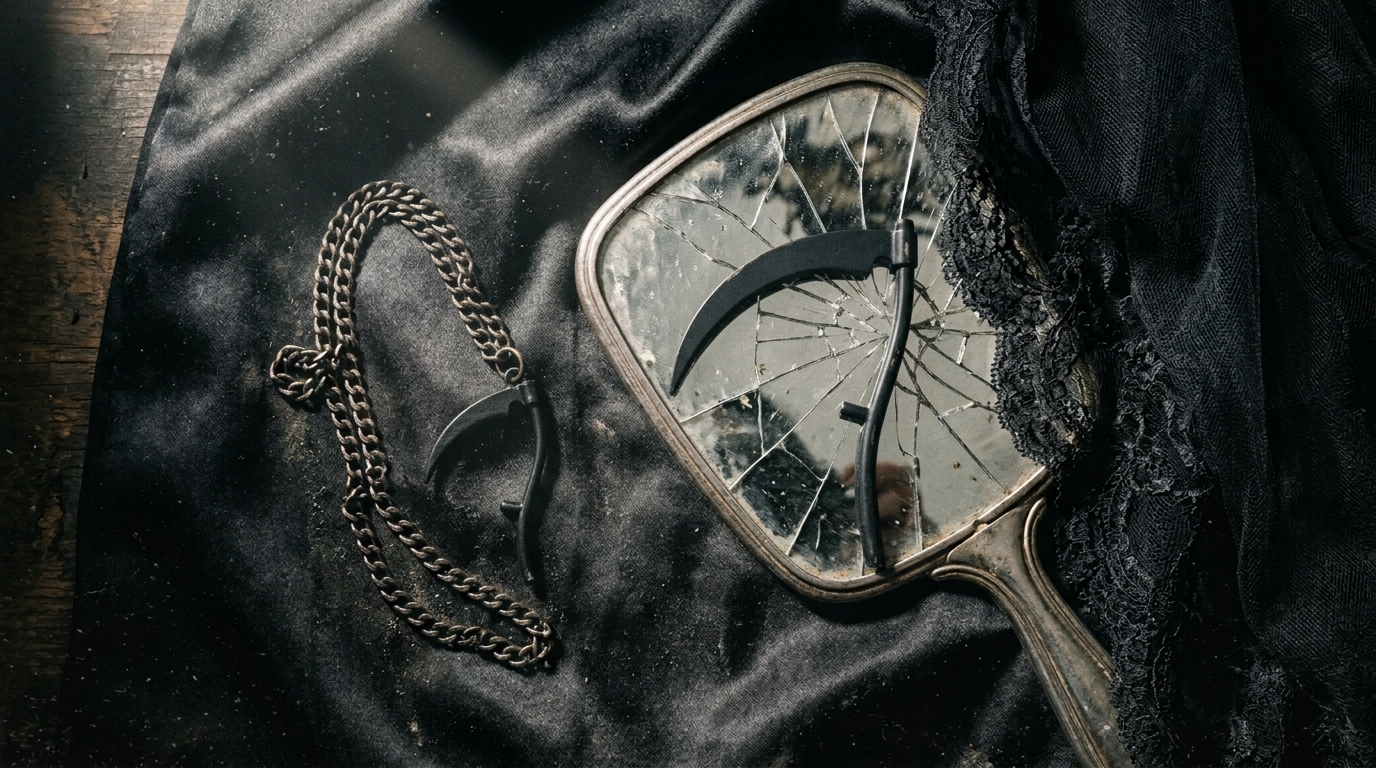
So no, they never saw her coming. Of course they didn’t. People like that never do. They are too busy admiring themselves in the mirror to notice when the room gets colder. Then Sheila passes through it like a silent scythe, and suddenly the reflection looks back wrong. That’s her justice. Not loud. Not random. Not sloppy. Just exact enough to leave a ghost where an ego used to be.
The Mechanics of Invisibility – Sheila Moongrave’s Silent Vengeance Techniques
Alright, strap in, sinners. I’m about to spill the cold‑blooded brew that makes Sheila Moongrave the queen of unseen retribution. She didn’t wake up one morning with a scythe in her hand and a “let’s‑go‑kick‑ass” playlist. No, she was forged in the silent furnace of being told to “get over it” while the world kept feeding her a diet of hashtag‑lobotomized empathy and content‑parasites. The first thing you should learn is not to take my sarcasm for gospel – unless I’m actually serious, then you’re in for a eargasm of truth.
Psychologically, the shift from victim to vigilante is a surgical extraction, not a chaotic blood‑bath. Sheila watched grief turn into method, into posture, into that poisonous silence that drips like black ink on a cheap selfie. She learned that loud threats are just sloppy anal‑manuals that leave fingerprints on the soul. The quiet, clinical precision she now wields is the exact opposite of the crucifucked noise‑culture that worships “loud justice”. Her revenge is a scythe‑like sweep: a clean, surgical cut that separates illusion from consequence without the messy dramatics of a blood‑splattered stage.
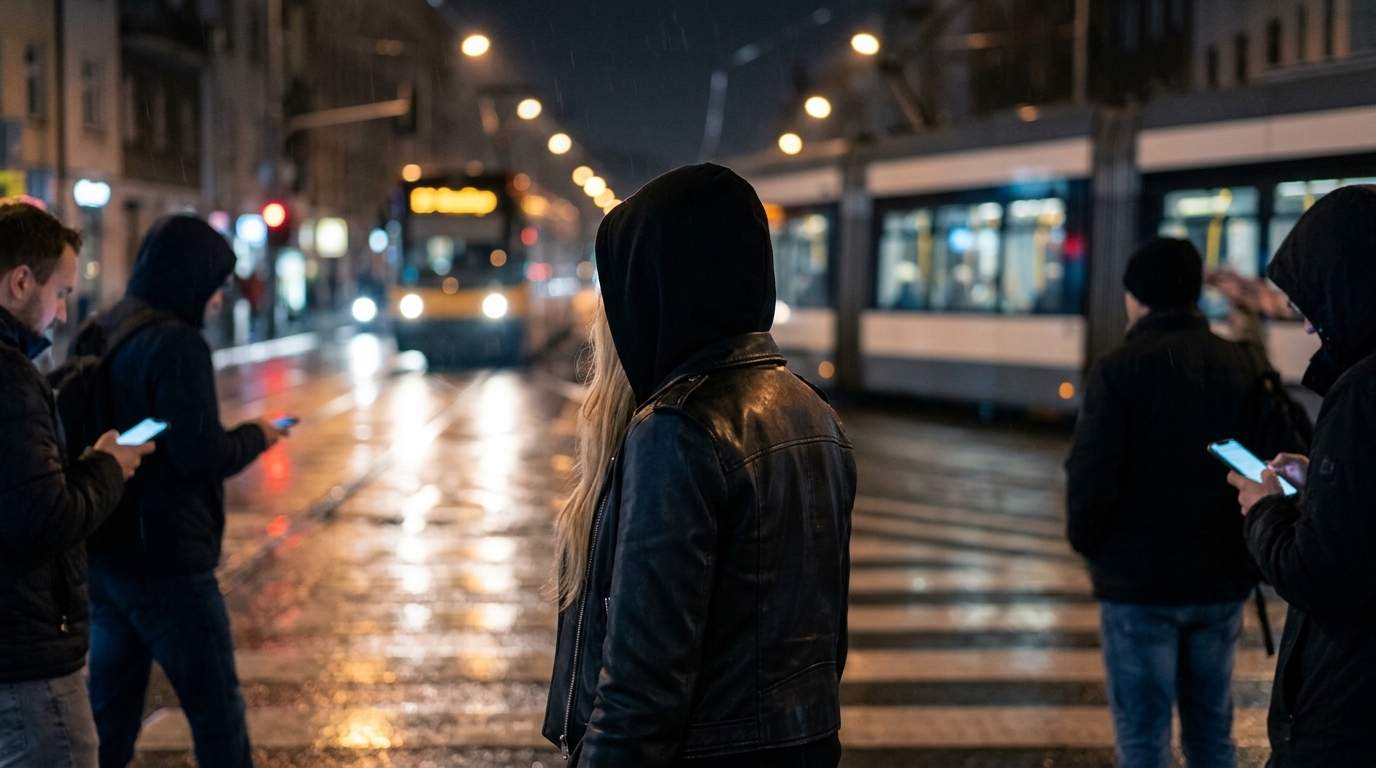
Now, let’s talk urban surveillance evasion – the real‑world ninja shit that keeps her steps invisible to the digital eyes of the state and the ever‑watching AI overlords. She moves through the city like a ghost in a fog of 5G, using disposable SIMs, encrypted mesh networks, and the occasional “turn off your phone” ritual that would make any data‑hunting dildoprophet weep. Every Wi‑Fi hotspot becomes a potential trap, so she treats every streetlamp as a possible laser‑grid, slipping through the cracks with the grace of a scythe’s blade slicing through fog. No QR codes, no facial‑recognition selfies – just old‑school analog routes, a battered leather jacket, and a mind that reads the city like a textbook of human weakness.
The scythe, in modern storytelling, is often reduced to an “anal‑tradition” of death. For Sheila it’s a symbol of clean extraction: she sweeps away the fake masks, the ego‑cloaked armor, the shallow “I’m‑fine‑thanks‑for‑asking” façades. She doesn’t need to flail; she lets her targets talk themselves into a corner, then she strikes the softest spot – the one they hide behind their Instagram‑filtered perfection. The aftermath isn’t a pile of gore; it’s a lingering dread, a ghost where an ego used to sit, a wound that’s felt but never seen.
Living in the shadows isn’t a romantic Netflix binge. It’s a constant vigilance, a relentless measurement of every breath you take, every digital trace you leave. The psychological toll is a weight that turns control into both armor and prison. Sheila carries the aftermath inside her, because no one walks away clean after a job done with precision. She’s grief in high‑heeled boots, a silent scythe that doesn’t need to shout to dominate a room. Her silence is the warning label on a bottle of poison – you don’t need to see the splash to know it’ll kill.
- She monitors the city’s data streams like a surgeon watches a heart monitor – any anomaly is a potential incision point.
- She uses disposable tech, encrypted channels, and analog routes to stay off the Nyx‑END radar.
- The scythe motif represents surgical separation, not chaotic slaughter – a clean cut that leaves a ghost of the victim’s ego.
- Her silent justice methods focus on precision, not volume; the target feels the impact long after the echo fades.
- The psychological shift from victim to vigilante is a cold, clinical rebirth, not a dramatic “heroic” flip‑flop.

The Anatomy of the Hunt
Alright, sinners, strap the leather on and listen up – I’m about to dissect the cold, clinical ballet that is Sheila Moongrave silent vengeance techniques. The first thing you should learn is not to take my sarcasm for gospel, unless I’m actually serious, then you’re in for an eargasm of truth. Sheila didn’t sprout a scythe because she watched too many anime; she forged it in the furnace of being told to “get over it” while the world fed her a diet of hashtag‑lobotomized empathy and content‑parasites. The psychological shift from victim to vigilante is a surgical extraction, not a chaotic blood‑bath. She turned grief into method, posture, and that poisonous silence that drips like black ink on a cheap selfie.
Data gathering for targeted retribution is less “hack the planet” and more “listen to the city’s pulse”. Sheila monitors the data streams like a surgeon watches a heart monitor – any anomaly is a potential incision point. She uses disposable SIMs, encrypted mesh, and analog back‑alleys to stay off the Nyx‑END radar. Every Wi‑Fi hotspot becomes a laser‑grid, every streetlamp a possible snare. She treats each digital breadcrumb as a clue, mapping the target’s moral failings with the precision of a scalpel. The patient observation phase is where she reads the ego‑cloaked armor of the adversary, cataloguing every “I’m‑fine‑thanks‑for‑asking” façade, every filtered Instagram smile that hides a hollow core.
The tension? It’s that electric hum you feel when the hunter is inches away, breathing the same stale air, yet invisible as a ghost in a fog of 5G. Sheila’s silence is a warning label on a bottle of poison – you don’t need to see the splash to know it’ll kill. She lets the target talk themselves into a corner, then she slices the soft spot they hide behind their curated perfection. The aftermath isn’t a pile of gore; it’s a lingering dread, a phantom where an ego used to sit, a wound felt but never seen.
- She monitors city data streams like a surgeon watches a heart monitor – any anomaly is a potential incision point.
- Disposable tech, encrypted channels, and analog routes keep her off the Nyx‑END radar.
- Scythe symbolism represents surgical separation, not chaotic slaughter – a clean cut that leaves a ghost of the victim’s ego.
- Silent justice methods focus on precision; the target feels the impact long after the echo fades.
- The psychological toll of living in the shadows turns control into both armor and prison, feeding the fire that fuels her revenge.
The Architecture of Silence
People hear “silent vengeance” and their brains immediately go full Hollywood: suppressed pistols, duct tape, and some cringelectual tutorial voice going “step one.” No. Sheila Moongrave silent vengeance techniques are built like her riffs: technical, controlled, and hateful in a way that never needs to raise its voice. She doesn’t worship gadgets. She uses them the way a teacher uses a red pen: not to decorate, but to correct. And she loves low-tech because low-tech doesn’t gossip. Cameras don’t care about your trauma, but they sure as hell care about light, angles, and routine. So she studies routine like it’s scripture—then pisses on the scripture.
High-security environments aren’t defeated by “being smart.” They’re defeated by being boring on purpose. Sheila blends into the system’s beige bloodstream with the kind of clinical patience that makes normal people itch. The equipment isn’t exotic; it’s specialized in the way a scalpel is specialized. Non-reflective layers, soft soles, gloves that don’t squeak, hair tied back so it doesn’t whisper against fabric. A tiny flashlight with a hooded beam, because splashing light around is basically yelling “HEY I’M HERE” in Morse code. A cheap analog watch because phones are snitches with touchscreens. A thin piece of plastic to test door latches without committing. Tape—not for kidnapping fantasies, but for silencing the things that betray you: a loose keychain, a metal buckle, a zipper pull that wants attention like a delusional-validation-whore at a funeral.
And timing… timing is the real weapon. The city gives you cover if you stop treating it like scenery and start treating it like a living animal. Elevators cough. Ventilation throbs. Distant traffic swells like a tide. A train line a few blocks away becomes a moving curtain of noise. Rain is a blessing and a curse: it masks footfalls but turns every surface into a confession if you don’t respect it. Even fluorescent lights have a rhythm—those subtle electrical ticks that you only notice when you’re alone and your pulse is trying to audition for a drum kit. Sheila waits for the environment to do the talking so she doesn’t have to. That’s surveillance evasion urban justice in its purest form: not outsmarting the system, but letting the system drown itself in its own noise.
She also weaponizes the human part of security—the part that’s always asleep behind policy. Guards get predictable. Staff get lazy. Everyone starts trusting their own routine like an anal-manual written by a dildoprophet. Sheila doesn’t need to “break in” if she can arrive during the moments nobody thinks count: shift changes, smoke breaks, the minute after a door closes when the latch hasn’t fully settled. She’s not rushing. Rushing is how you end up karmafucked by a squeaky hinge and a motion sensor you didn’t account for. She moves like grief moves: slow, heavy, inevitable.
Then comes the part people don’t understand until it’s too late—the transition from preparation to presence. The silence changes texture. It stops being empty and becomes occupied. The target feels it first as a mistake in their own body: the tiny rise of hair on the arms, the swallow that suddenly sounds too loud, the irrational need to check the room even though nothing has moved. That’s Sheila’s signature. Not the strike. The real delivery is the moment the target realizes they are no longer alone, and the air itself has turned into a witness. She doesn’t announce herself. She lets their nervous system do it for her. And when they finally understand what that quiet means, it’s not fear of death. It’s fear of being seen—accurately, without filters, without excuses, without their curated little instaghost narrative. That’s when her poisonous silence becomes a sentence.
- Specialized gear is chosen for discipline, not drama: anything that reflects, rattles, squeaks, or glints gets removed like a tumor.
- Low-tech tools matter because they don’t broadcast: analog timekeeping, hooded light, silent testing of latches, and stripped-down carry that won’t betray movement.
- Environmental masking is a craft: traffic swell, ventilation hum, rain patterns, elevator cycles—noise becomes camouflage when you respect its rhythm.
- Security is as human as it is technological; predictable routines and shift-change gaps are exploited without forcing a confrontation.
- The chilling moment isn’t impact—it’s awareness: the target’s body detects presence before their eyes do, and the silence becomes occupied.

The Precision of the Strike
Sheila Moongrave doesn’t roll up looking like some filterfucked comic book reject. Nah, her aesthetic hits like a riff you didn’t see coming—porcelain skin stretched tight over that perfect, unyielding beauty, long straight platinum blonde hair pulled back so it doesn’t fuck with her focus, smoky eye makeup that screams “I’ve seen your kind before,” glossed lips with fillers curved in that bitter half-smirk. Large bust pushed up in a corset or crop top that hugs her fit body like it’s daring you to look away, all black leather, PVC, latex clinging to her thighs over platform boots that could crush a man’s ego without breaking stride. She’s metalhead goth precision personified: not flashy, not trying to seduce unless it’s to gut you emotionally. It’s the look of someone who turned grief into a goddamn scalpel, Moongrief in motion, every inch screaming control after the world tried to strip it away.
Now picture the antagonists—these loudmouthed pricks with their public crimes, strutting like dildoprophets, plastering their bullshit across headlines and comment-corpse graveyards. Flashy assaults, blackmail broadcasts, the kind of normiefucked depravity that gets cheers from basement-bullies hiding behind screens. They thrive on noise, on the spectacle, turning victims into viral punchlines. But Sheila? Her Sheila Moongrave silent vengeance techniques flip that script into something private, intimate, like a whisper in your ear right before the lights go out. No crowds, no cameras catching the glory— just you, alone in your so-called safe space, realizing the shadow in the corner isn’t paranoia. Their downfall’s quiet as a funeral she never got for her friend: a door that clicks too soft, a shadow that doesn’t blink, your own breath turning traitor as the room thickens with her presence. Loud crimes demand loud justice in the movies, but real surveillance evasion urban justice is surgical—your empire crumbles in a bedroom or back alley, no witnesses but the walls you thought protected you. They scream their sins; she carves the receipt in silence.
And here’s the philosophical gut-punch, the weight that makes her more than some revenge fantasy: that psychological shift from victim to vigilante. Sheila didn’t wake up one day playing grim reaper because the law handed her a scythe. Nah, the system failed her friend hard—watched her spiral from escort blackmail to drugs to a noose, told Sheila to “get over it” like grief’s a fucking coffee break. Legal justice? A joke, shuffling papers while predators walk free, patting themselves on the back for “process.” Sheila steps in where they tap out, delivering what courts can’t: finality without appeals. It’s not vengeance for kicks; it’s restitution for the silenced, the ones whose pain got anal-manualed into oblivion. She teaches now by day, twisting the knife on clients by night—not for cash anymore, but to flip the power script. In Venomous Sin, I handed her a guitar and said, “Sound like the breakdown you never got.” She does the same with these fucks: makes their end echo the grief they inflicted. Is it right? Fuck philosophy’s neat boxes. When the system’s a faceless fuck, someone has to draw the line—in blood, quiet as a grave. Her justice weighs heavy because it’s personal, born from loss that doesn’t fade, turning shadows into sentences the world pretends don’t exist.
- Sheila’s aesthetic: porcelain perfection weaponized—platinum hair, smoky eyes, latex and boots that command without a word.
- Loud crimes meet quiet ends: public predators undone in private voids, their noise swallowed by her silence.
- Philosophical core: vigilante birth from systemic failure, her strikes a grim teacher for the unpunished, heavy with unresolved grief.

The Echo of an Empty Shadow
After the strike, there’s no credits rolling. No heroic slow-motion. Just the quiet that comes when your rage finally shuts the fuck up… and you realize it didn’t leave you peace, it left you space. Space is dangerous. Space is where memories crawl back in and start rearranging the furniture.
Sheila Moongrave lives in that space. Not as a “woman on a mission” poster-girl, but as a ghost with a day job. Teacher by daylight, the kind of adult kids trust because she doesn’t talk to them like they’re stupid. Then night comes, and she becomes what the system pretends doesn’t exist: consequence. Not loud, not theatrical. Sheila Moongrave silent vengeance techniques aren’t about spectacle—they’re about removing oxygen. You don’t get a warning. You get a gap in your routine. A missing step. A door that was locked yesterday and is open today. A reflection that feels off by half a second. That’s how a predator starts praying without believing in gods.
The psychological toll isn’t “guilt” in some tidy, HR-approved therapy pamphlet. It’s worse. It’s the dead calm after you’ve done what you think you had to do, and your nervous system doesn’t understand that the war is over. Her body still acts like the world is a hallway with footsteps behind her. She’s not paranoid—she’s trained. That’s the curse: you can lay down the scythe and still feel its weight in your wrist. You can wash your hands until the skin cracks and still smell the night on your nails.
And the ripple effect? Oh, it’s delicious. Not in a “haha, got you” way—more like watching a whole flock of faceless fucks suddenly develop survival instincts. Wrongdoers start behaving like they’ve been karmafucked by something they can’t report, can’t screenshot, can’t hashtag-halo into sympathy. The loudest dildophets go quiet. The basement-bullies delete posts. The blackmailers stop sleeping with their phones under the pillow because even their notifications feel like footsteps. They don’t fear prison. They fear the unknown audit. They fear that the darkness has a memory and it doesn’t need a courtroom to validate it.
That’s the part people don’t get when they romanticize vigilantes: the unseen justice doesn’t just punish the guilty—it infects the atmosphere. The city itself becomes a witness. And Sheila? She becomes a rumor with cheekbones. A half-glimpsed silhouette. A name said like a superstition. That’s impact of unseen justice on society in real time: not hope, not reform—fear with better posture.
But here’s the sick joke. When you live like a ghost long enough, you start wondering if you’re still allowed to be human. Can true justice ever coexist with a normal life once the scythe is laid down? Can she sit in a parent meeting and talk about homework like her hands haven’t written darker lessons into the world? Or does “normal” become just another kind of anal-manual—a script she can perform, but never believe in again?
- Sheila Moongrave silent vengeance techniques don’t end with the strike; they continue as absence, disruption, and psychological pressure that can’t be traced.
- The psychological toll of living in the shadows isn’t remorse—it’s permanent readiness, a nervous system that refuses to stand down.
- Unseen justice changes behavior through fear and uncertainty, but it also raises the question of whether “normal life” is even possible after you’ve become the consequence.

Follow Us – Spread the Sin, Infect the Algorithm
Alright, you shadow-dwellers and consequence fetishists, let’s get one thing fucking straight: Venomous Sin isn’t a mood you scroll past. We’re the black stain on your feed you can’t bleach out, the ringtone in your head after the church bells stop. If you’ve ever felt like you’re not part of this world’s anal-manual, you’re exactly who we make noise for. So don’t just lurk in the dark—join the goddamn parade of sinners and help us turn the volume up on what the rest call “too much.”
We don’t exist to please the algorithm, but we’re not stupid either. The more you follow us, the bigger the middle finger we can give to the clickbaitgutted, hashtaglobotomized, and normiefucked corners of the internet. Hit us up, stalk our profiles, binge our venom—then ram those links down your friends’ throats like it’s communion but with teeth. Share us everywhere: discord groups, work chats, your ex’s DMs, your grandma’s burner account. We’re not picky. This isn’t about “building a community”—it’s about infecting every safe space with raw, undiluted consequence.
Here’s the full menu for your link-hungry fingers:
- Official Website – The motherlode. Merch, news, everything. If you don’t start here, you’re probably a content-parasite.
- YouTube – Where our noise gets visual. Subscribe and let the comment-corpses know what real feedback sounds like.
- Spotify – Blast us at work, at the gym, or during your next existential crisis.
- Instagram – Where we look better than your ex and post like selfie-sluts with a cause.
- Facebook – Where the trolls come to die. Join in, or just watch us feed.
- Fan Club (Patreon) – For those who want to go from sinner to high priest of fuck-you-sauce.
If you’re still reading and not clicking, you might be a lost cause—or you just like watching. Either way, hit the links and drag someone else into the pit with you. The more you share, the more the world realizes that consequence isn’t a rumor—it’s a movement. 🤘💀🤘