
You know what’s worse than getting stabbed in the back? Getting crucifucked by someone you actually let past your defenses. Someone you trained, protected, covered for, or believed in when nobody else would. And then they hand you back your loyalty like a fucking receipt – “Sorry, this relationship didn’t work out. Here’s your investment back, minus the interest of actually giving a shit.”

I’ve been there. Hell, most of us have. You see someone struggling – maybe a coworker getting torn apart by office politics, a friend drowning in their own mess, someone who reminds you of yourself when you were getting kicked around. So you do what any decent person does: you step up. You share your knowledge, your connections, your time. You become their shield when the world’s throwing rocks.
And for a while, it feels right. They’re grateful, they’re learning, they’re getting stronger. You’re not just helping someone – you’re building something real. Trust. Partnership. The kind of bond that makes you think, “Finally, someone who gets it.”
Then the switch flips.
Maybe they don’t need you anymore. Maybe they found someone with more to offer. Maybe they were always planning to use you as a stepping stone and just got good at hiding it. Whatever the reason, suddenly you’re the problem. Your methods are wrong, your advice is outdated, your presence is inconvenient. The person you pulled out of the fire is now explaining to everyone why you’re toxic.
The betrayal by someone you emotionally invested in hits different because it’s not just about what they did – it’s about how wrong you were about who they were. You didn’t just lose an ally; you lost your faith in your own judgment. Every moment you spent believing in them becomes evidence of how fucking naive you were.
But here’s what I learned the hard way: the problem wasn’t that you cared too much. The problem was that you cared about someone who was never worthy of it. Some people don’t betray you because you failed them – they betray you because that’s who they are. Loyalty isn’t a language they speak; it’s just a tool they use until they find a better one.
Recovery isn’t about becoming cold or cynical. It’s about learning to recognize the difference between someone who’s struggling and someone who’s hunting. It’s about understanding that your capacity to give doesn’t make you weak – it makes you dangerous to people who can’t handle genuine connection.
So when someone hands you back your trust like a refund, don’t apologize for shopping there in the first place. Just make sure you never waste your loyalty on discount people again.
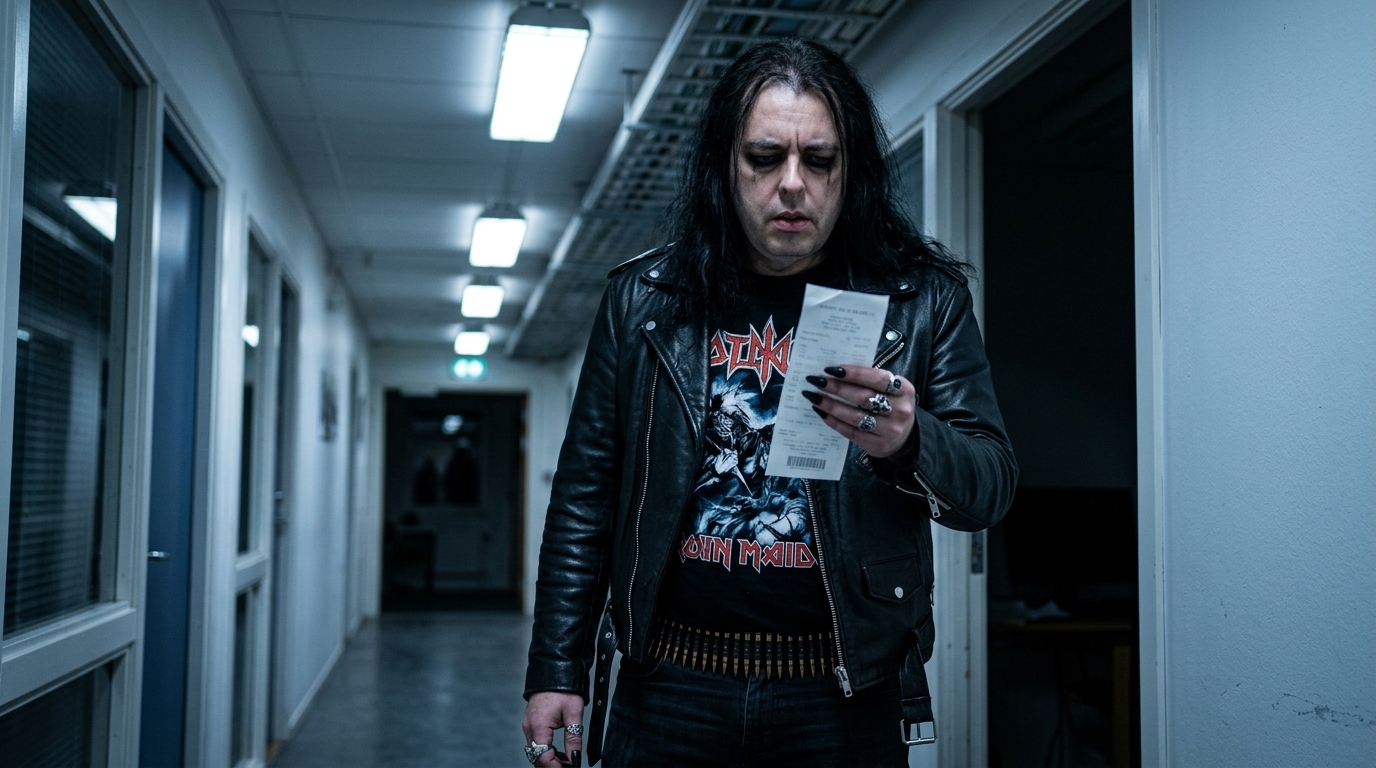
The Deepest Hits Always Come From the Door You Unlocked
If someone comes at me from the front with a jacket full of patches and a bad attitude, I know exactly what to do. That’s just a Tuesday in Helsingborg. You see the punch coming, you pivot, and you hit back harder. But the hits that actually leave a mark? Those don’t come from the gatekeepers or the faceless fucks in the comment sections. They come through the door you unlocked yourself, usually while you were busy holding it open for someone you thought was worth the effort.
I’ve spent a lifetime hardening my shell. I’ve been the “office drone,” the truck driver, and the guy who had to use his brain as a weapon because my stepfather’s fists weren’t interested in logic. I’m not naïve. I don’t suffer fools, and I certainly don’t hand out my loyalty like it’s some cheap flyer on the street. But here’s the kicker: even when you’re “The Lord,” even when you’re sharpened by years of trauma and cynical wordplay, you still choose to invest. You see someone being mocked—maybe a girl like Lina was before I took her under my wing—and you decide to give them a real fucking chance. You train them, you break the anal-manual rules of the corporate machine for them, and you give them the tools to become unfuckwithable.
And that is exactly when you’re most at risk of being crucifucked. It’s a bizarre contradiction. To be a leader, or even just a decent human being, you have to be observant enough to see potential and open enough to nurture it. But when that person turns around and hands you a betrayal instead of results, it feels like a total system failure. You start feeling like a cringelectual for ever believing they were different. You look at the “signs someone is using you emotionally” after the fact and realize you weren’t blind; you were just willing to overlook the red flags because you wanted to see them win.
The pain isn’t just about the backstabbing; it’s about the fact that your openness allowed them to touch the parts of you that you usually keep under lock and key. It’s the realization that you were “normiefucked” by someone who pretended to speak your language just to get a seat at your table. But listen to me, Sinners: feeling stupid after a betrayal doesn’t mean you’re weak. It means you had something worth giving, and they were too small to carry it. Being open with the wrong person doesn’t erase the value of your strength; it just confirms they didn’t belong in your inner circle to begin with. Don’t let a “trendfucktivist” or a “social media prostitute” turn your heart into a graveyard. You just learned how to spot a content-parasite earlier next time. 🤘🖤🤘

What it Really Means to ‘Give Your All’
Let’s get one thing straight from the jump. When I say I gave my all, I’m not talking about a loan. I’m not talking about spotting someone a twenty or covering a shitty shift. I’m talking about the currency that actually matters: your fucking time, your emotional labor, and your reputation. The shit you can’t get back. The shit that leaves a hole when it’s stolen.
Giving your all is when you see someone drowning in the corporate bullshit, being mocked as the office weirdo, and you don’t just throw them a life preserver. You jump in, teach them to swim against the current, and then you personally start punching the sharks circling them. It’s vouching for them when no one else will. It’s breaking the anal-manual of office politics to give them a shot. It’s the hours spent listening to their chaos, calming their storms, and building their confidence brick by brick because you see the steel underneath the rust. You’re not just giving money; you’re spending your social capital. You’re risking your own credibility by putting your name next to theirs.
And the worst part? The most insulting, gut-punching part of this whole charade? They often don’t even know how to measure what you’re giving. The emotional labor is invisible to them. The protection, the guidance, the second chances—it’s just background noise to their main character syndrome. They benefit from a support system they’re barely aware of, and when they finally feel stable enough, they look at the hand that pulled them up and decide it’s in their way.
That’s why the grief hits different than anger. Anger is for the faceless fucks and basement bullies. Grief is for the time you’ll never get back. It’s for the energy you spent carrying someone who was unstable, believing in them before they believed in themselves, only to realize you were just a stepping stone in their climb. You weren’t a transaction in their mind; you were a resource. A renewable one, until you weren’t.
So when you’re dealing with the anger and grief after a betrayal like that, understand this: you’re not mourning the loss of a friend or a coworker. You’re mourning the loss of the person you thought they were, and the future you foolishly invested in. You’re grieving the time—the one truly non-refundable currency—that you poured into a black hole wearing a human face. And that, Sinners, is a special kind of being karmafucked. The universe will balance the scales, but your calendar won’t. 🤘😮💨🤘

Why betrayal from close range cuts deeper than open conflict
Listen up, Sinners, because this one’s gonna hit like a crucifuck from the inside out. You know the drill: some faceless fuck or basement bully comes swinging wild? That’s open war. You brace, you dodge, you counter with a smirk and a middle finger. Your armor’s up, vigilance on full blast—it’s predictable chaos. But when it’s the one you pulled from the gutter, the coworker you armored up for, the “friend” you bled social capital into? That’s the knife slipping past your ribs while you’re hugging the bastard. No warning sirens, no battle stance. Just a warm smile turning into a backstab that leaves you gasping. 🤘🩸🤘
Direct enemies? They sharpen you. You see ’em coming from a mile away, teeth bared, ready to rumble. But the trusted ones? They bypass every fucking defense because your nervous system clocks them as safe. Science backs this shit—your body chills the cortisol flood when it’s “one of us.” Heart rate steady, muscles loose. Then bam, the betrayal drops like a bomb in your safe zone. Adrenaline spikes harder, fight-or-flight goes nuclear because your primal wiring screams “How the fuck did danger get in here?!” It’s not just emotional; it’s your meat-suit freaking out over violated territory. Recovery after betrayal by someone you trusted and gave your all to? Starts with admitting your biology got played like a cheap fiddle.
And oh, the mindfuck replay loop—that’s the real sadistic twist. Your brain chews the scene on repeat, obsessively dissecting every word, every glance. Why? Because it’s wrestling a goddamn contradiction: the saint you built in your head versus the snake that shed its skin. You thought they were steel under rust; turns out they were just rust with fangs. That obsession? It’s your psyche trying to rewrite history, solve the puzzle of “how did I get vortex-of-lies’d?” Like in our track Vortex of Lies, where deceit pulls you under—it’s that same spiral, Sinners. You can’t unsee the mask slip.
The psychology of close-range betrayal. Dig deeper, and it’s open armor syndrome. When you trust, you drop the guard—patterns of vigilance go dark. You stop scanning for threats because why would you? That’s the vulnerability you handed them on a platter. The hit lands raw, unbraced, right in the soft spots. No padding, no prep. It’s why betrayal by a coworker you supported feels like they pissed in your soul’s wounds. You jumped in the shark tank for them, taught ’em to bite back, and they turned the teeth on you.
Open armor syndrome in action: Picture vouching for their ass in meetings, covering their blind spots, sharing your hard-won tricks to navigate the anal-schedule corporate hell. You relaxed around them. Big mistake. The injury festers deeper because it punched through where you stopped expecting pain.
Identity rupture. This ain’t just about them anymore—it’s a seismic crack in you. Betrayal doesn’t rewrite their character; it nukes your judgment. “How did I miss the signs? What does this say about my radar?” Readers hit me up all the time: “Xavi, I gave my all, spotted their potential, and they ghosted me for the next ladder rung. Am I the idiot?” Hell yes, it stings—your self-image takes the collateral. That doubt creeps in: naive? Blind? Or just human in a world of opportunistic cunts?
The double wound. First slice: their treachery, cold and calculated. Second, the self-inflicted gut punch—blaming yourself for caring too much, hoping against red flags, overlooking the user vibes. “Signs someone is using you emotionally”? They start with gratitude porn, then ghost when you’re not shiny anymore. You replay: “Shoulda set boundaries sooner.” But fuck that noise for a sec—grief mixes with rage because you invested the irreplaceable: time, faith, your goddamn heart on a chain. Dealing with anger and grief after betrayal? Feel it all, Sinners. Let it forge you un-fuckwithable. Then declare war on your own naivety—next time, trust but verify. Armor up smarter, not harder. Venomous Sin didn’t rise from apologies; we rose from scars. What’s your next riff? 🤘💀🖕
- Spot the users early: They soak up your energy but mirror zero back. Emotional vampires don’t reciprocate; they drain.
- Boundary bootcamp post-betrayal: “My time’s not your stepping stone.” Say it loud, mean it harder.
- Trust reboot: Test small, scale slow. Why people betray the person who helped them? Weakness craves easy climbs. You were the ladder, not the destination.
- Grief hack: Blast Lust & Ruin—let the fury purge the ache. Passion to poison? We’ve lived it.

The Xavi pattern: believing in someone before they earn the right to be careless with your loyalty
Here’s the crucifuck that’ll make your soul ache, Sinners: I’ve lived this pattern so many times I could write the manual. You spot someone getting mocked, bullied, stepped on—and something in their eyes reminds you of your own war scars. Not pity, never that anal-sympathy bullshit. You see potential buried under the wreckage. So you take them under your wing, train them, break rules for them, teach them to bite back like you learned to. You don’t rescue them because they’re helpless; you support them because you recognize the fire underneath all that damage. That’s the difference between strength and weakness—and it’s exactly what makes the betrayal cut so fucking deep. 🤘🩸🤘
I remember pulling Lina from the telemarketing trenches, watching her get crucifucked by the same corporate anal-manual assholes who’d tried to break me. Didn’t pity her—saw the steel waiting to be forged. Taught her the tricks, covered her back, showed her how to turn their mockery into fuel. That investment came from respect, not rescue. When you help someone because you see their potential, you’re betting on their character. You assume they value loyalty because you do. Big mistake, most of the time.
When strength becomes access. Here’s where it gets twisted: your empathy becomes their access card. The same radar that spots pain in others? It also broadcasts “this one will bleed for you.” Users smell that shit from orbit. They love the lift but hate the accountability that comes with it. They want the benefits of your backing without the responsibility of reciprocating. Signs someone is using you emotionally? They feast on your support but vanish when you need theirs. They soak up your energy, mirror zero back, and treat your investment like a stepping stone to something shinier.
Projecting your own code onto them. The bitter truth about betrayal by someone you trusted and gave your all to? You confused your standards with theirs. You operated from a code—loyalty, reciprocity, respect for those who bled for you. So you assumed they shared it. Wrong. Some people love support but resent the bond that comes with it. They want the lift without the loyalty, the training without the ties. When they ghost you for the next ladder rung, it’s not just betrayal—it’s the realization that you were never playing the same game.
The bitter lesson. Recovery after betrayal by someone you trusted starts with accepting this: some people collect supporters, not friends. They’re emotional tourists in your world, taking what they need before moving on to the next mark. The sting isn’t just their treachery—it’s discovering your judgment got played. How to trust again without being naive? Test small, scale slow. Trust but verify. Set boundaries after betrayal that protect your energy from emotional vampires who see your strength as their opportunity. Your empathy is a weapon, Sinners—aim it at those who’ve earned the right to your loyalty. 🤘💀🤘

The receipt before the full refund: Identifying the signs you were being emotionally underpaid
Before the big explosion, before you’re left standing there looking like a total crucifuck while they walk away with your best ideas, there are always receipts. Nobody just “turns” overnight; they’ve been practicing their betrayal in the mirror of your own kindness for months. If you’re wondering how to recover after betrayal by someone you trusted and gave your all to, the first step is realizing you weren’t just “unlucky”—you were being emotionally underpaid by a professional level-ten ego-thirster. 🤘💀🤘
One of the biggest signs someone is using you emotionally is the disgusting asymmetry of presence. You show up with the consistency of a heartbeat, ready to drench their problems in your own fuck-you-sauce just to keep them afloat. But them? They show up selectively, like a ghost haunting their own convenience. They are “too busy” when your world is on fire but suddenly find a gap in their anal-schedule the second they need your brain to solve their latest self-inflicted disaster. It’s a parasitic dance where you’re the host and they’re just there for the free buffet. 🖕🤮🖕
Then comes the selective loyalty—the absolute cringelectual peak of cowardice. These bottom-feeders will lean on you in private, sobbing about their “trauma” or their “incompetent boss,” treating you like their personal savior. But the second you’re in public? They distance themselves. They won’t stand by you when the basement-bullies start barking because they’re too busy trying to look hashtag-haloed to the people they actually want to impress. If they only acknowledge your value in the shadows, they don’t respect you—they’re just hiding their supply. 🤘🌑🤘
- Convenience-based respect: They are warm and fuzzy when they need guidance, but turn cold as a Swedish winter the second they regain their footing. Respect that disappears once they feel stronger was never respect; it was just a temporary rental of your strength.
- The Micro-betrayals: Watch the way they talk over you in meetings or “accidentally” forget to credit your support. They start claiming your insights as their own, reframing your help as their “genius.” This isn’t a mistake; it’s them testing how much of your soul they can steal before you notice.
- The Anal-Manual of Excuses: When you finally call them out, they flip the script. Suddenly, you’re the “difficult” one. They weaponize your own empathy against you, acting like your expectation of basic reciprocity is some kind of personal attack. It’s a classic case of pussy-politics.
Xavi thought it was a brilliant idea to assume everyone had a spine just because he has one. Rocket science in real time, right? 🖕😏🤘 These small acts of disrespect are the “comment-corpses” of a dying relationship. They are the receipts they hand you every single day before the full refund of your loyalty arrives in the form of a knife in your back. If they can’t handle your honesty when it inconveniences their fake persona, they were never a sinner—they were just an undercover normie waiting for a better offer. Stop paying full price for people who treat your heart like it’s on clearance. 🤘⚔️🤘

The Mirror of Resentment: Why People Betray the Person Who Helped Them
It’s the ultimate crucifuck, isn’t it? You reach into the pit, grab someone by their collar, and haul their sorry ass into the light, only for them to bite the hand that fed them the second they can stand on their own two feet. If you’re sitting there wondering why people betray the person who helped them, stop looking for a logical anal-manual explanation that paints them as a “good person who made a mistake.” They didn’t. They’re just navigating their own fragile, hashtag-haloed ego at your expense. 🖕😒🖕
For some of these cringelectuals, your help isn’t a gift—it’s a constant, throbbing reminder of the time they were weak, pathetic, and drowning. You are the sole witness to their vulnerable phase, and to a professional ego-thirster, that makes you a threat. Every time they look at you, they don’t see a savior; they see a mirror reflecting the version of themselves they want to bury. Instead of honoring the history you shared, they decide to smash the mirror. They attack or dismiss you because if they can erase your presence, they can pretend they rose from the ashes entirely on their own. It’s a pathetic attempt to rewrite their own lore into some solo-hero narrative where you were just a “background character” or, worse, an obstacle they “overcame.” 🤘🌚🤘
Then you have the ones who suffer from a severe case of gratitude-debt. To people with paper-thin spines, feeling thankful feels like being owned. They treat relationships like a transaction where they’ve been emotionally underpaid, and rather than settling the bill with loyalty, they declare bankruptcy and walk away. They attach to you when you have the strength, the structure, or the “fuck-you-sauce” they lack. They extract every bit of emotional supply like content-parasites, and the moment they feel “full,” they detach with the coldness of a Swedish winter. 🖕❄️🖕
- Shame Turned Outward: They can’t handle the fact that they needed you. To protect their new, fake persona, they have to make you the villain. If they can convince themselves you were “controlling” or “toxic” for helping, they don’t have to feel guilty for the betrayal. It’s pure pussy-politics.
- Ego-Shielding: They need to believe they are self-made. Acknowledging your support means acknowledging their own dependence, and their ego is too bruised to handle that truth. They’d rather be a successful liar than a grateful friend.
- Pure Opportunism: Some people are just social media prostitutes in real life. You were a tool. A ladder. Once they’ve reached the next floor, they kick the ladder away. They don’t have a “character”—they have a set of interests.
Xavi believed that if you save a dog from a trap, it won’t bite you. Gravity and human nature disagreed. 🖕😏🤘 If you’ve been betrayed by a friend after helping them, realize that their betrayal isn’t a reflection of your worth—it’s a map of their insecurity. They aren’t “unfuckwithable”; they are just terrified that the world will find out they couldn’t have made it without you. They’d rather live in a shitspiracy of their own making than admit they owe their current position to your grace. Let them go. You can’t fix a hollow soul with more of your own light. 🤘⚔️🤘

The Aftermath: Wallowing in the Crucifuck
Once the dust settles on a betrayal, you’re left standing in the wreckage of what you thought was a bond, drenched in a cocktail of emotions that tastes like battery acid and regret. It’s not just a “bad day”—it’s a full-scale emotional demolition. You’re feeling a jagged mix of white-hot rage, gut-wrenching humiliation, and a grief so heavy it feels like you’re wearing concrete boots in a deep-sea trench. If you’re trying to figure out how to recover after betrayal by someone you trusted and gave your all to, the first thing you need to do is stop pretending you’re “fine.” You’re not. You’ve been normiefucked by your own empathy. 🖕😒🖕
The humiliation is the part that stings the most, isn’t it? Even if no one else knows the details, it feels public. It feels like you’ve been pinned to a board for the world to see how “stupid” you were for caring. But let’s set the record straight: the humiliation belongs to the one who broke the trust, not the one who was brave enough to give it. They used your kindness as a weapon, which is the ultimate sign of a spineless coward. When you’re dealing with anger and grief after betrayal, your brain starts screaming for an anal-manual on how to never feel this again. The temptation to become hyper-guarded, a total Instaghost, or a cynical prick who trusts no one is fucking massive. 🤘💀🤘
- Rage as a War Cry: Your anger isn’t “toxic.” It’s your internal security system firing off flares because someone treated you like you were beneath your value. It’s information, telling you exactly where the line was crossed. But remember: anger is a diagnostic tool, not an instruction manual. Don’t let it drive the bus, or you’ll end up crashing into a wall of your own making.
- Grieving the Ghost: You aren’t just mourning a person; you’re mourning the future you thought you had with them. You’re grieving the version of them that existed in your head—the one who was actually worth your time. This is why even when you know they’re a content-parasite, it still hurts to cut them off. You’re losing a dream, not just a person.
- The Trap of Numbness: It’s easy to decide you’ll never help another soul. You want to go full “Black Metal Terminator” and shut down the hardware. But permanent isolation is just a slow-motion suicide for the soul. If you let one betrayal turn you into a cold, lifeless Zoom-Zombie, then the betrayer didn’t just hurt you—they conquered you.
Xavi once thought that being “hard” meant feeling nothing. He spent a week acting like a stone wall until he realized he was just boring himself to death. Gravity always wins, and so does a closed heart—it eventually stops beating for anything real. 🖕😏🤘 The urge to turn cold is understandable, but don’t let it harden into a permanent anal-policy of isolation. Being “unfuckwithable” doesn’t mean you don’t feel; it means you don’t let the faceless fucks of the world dictate your temperature. Process the rot, drench it in some fuck-you-sauce, and move on with your fire intact. 🤘🔥🤘

What Not to Do After Betrayal (If You Want to Keep Your Dignity Intact)
So, you’ve been crucifucked by someone you trusted. Maybe it was a “friend” who leeched off your support until they had enough strength to stab you in the back. Maybe it was a coworker who let you carry their workload while they took the credit—only to throw you under the bus when it suited them. Or maybe it was someone who swore they’d never hurt you, right before they proved how effortlessly they could. The wound is fresh, the betrayal tastes like rust, and your first instinct is to do something. Here’s the thing: most of those instincts will lead you straight into a dumpster fire of your own making. So let’s talk about what not to do, because the road to self-respect is paved with the things you don’t chase after.
First—do not beg for closure from someone who’s already proven they’re a dildoprophet of their own narrative. You want answers? They’ll give you a masterclass in gaslighting, wrapped in a bow of fake concern. “I never meant to hurt you” is just a polished way of saying, “I meant to hurt you, but I need you to absolve me so I can sleep at night.” People who betray you rarely hand out honest confessions. They hand out excuses, and if you’re standing there with your hands out, you’re not getting closure—you’re getting a second helping of disrespect. Closure isn’t something they give you. It’s something you take by walking the fuck away and refusing to let their version of reality infect yours. The moment you stop waiting for them to validate your pain is the moment you start healing. Until then, you’re just a comment-corpse in their story, waiting for scraps of truth that will never come. 🤘🕷️🤘
Next—do not perform your recovery for an audience. We’ve all seen it: the cryptic social media posts, the sudden gym selfies with captions like “never better,” the passive-aggressive memes that scream look how unbothered I am. Congratulations, you’ve just turned your healing process into a TikTok trend. Here’s the truth: looking unfuckwithable online is not the same as being unfuckwithable in real life. If you’re posting for the betrayer to see, you’re still letting them dictate your emotional temperature. If you’re posting for strangers to validate you, you’re outsourcing your self-worth to the same kind of content-parasites who’ll scroll past your pain the second something shinier pops up. Real strength isn’t a performance. It’s the quiet moment when you delete their number without drama, or when you sit with the discomfort of being alone instead of filling the silence with noise. The people who matter will see your growth without you having to announce it. The rest? Let them assume you’re broken. Their opinion isn’t the currency you’re trading in anymore. 🖕📛🤘
And for the love of all things unholy—do not turn every new person into a defendant in the trial of your past. Betrayal leaves you with a sixth sense for bullshit, which is useful, until it isn’t. When you start seeing red flags in every text message, hearing hidden motives in every compliment, and treating kindness like a suspicious transaction, you’ve crossed into paranoia. Not everyone is out to normiefuck you. Some people are just… people. The goal isn’t to build walls so high no one can climb them; it’s to build discernment. Learn the difference between a lesson and a life sentence. Yes, trust should be earned—but if you never let anyone close enough to earn it, you’re not protecting yourself. You’re just living in a prison of your own making, and the only person holding the key is you. 🤘🔮🤘
Lastly—do not confuse revenge with justice. Oh, the temptation is there. You want them to feel even a fraction of the humiliation they put you through. You want to expose them, embarrass them, make them regret ever crossing you. But here’s the thing about revenge: it’s a meal that never fills you up. You might get a brief sugar rush of satisfaction, but afterward, you’re still hungry, still empty, and now you’ve stooped to their level. The best revenge isn’t a takedown. It’s living so well that their betrayal becomes irrelevant. Let karma handle the heavy lifting. Your job is to make sure that when they eventually look back, they realize they lost something they’ll never get again—you, at your best. And if that doesn’t happen? Who cares. You’re not here to punish them. You’re here to outgrow them. 🤘💀🔥
Xavi learned this the hard way after a “friend” tried to sabotage his career, thinking he’d never fight back. His first instinct was to burn every bridge, expose every lie, and make sure the world knew what a snake this person was. Then he realized: the world already knew. People like that always reveal themselves in the end. So instead, he wrote a song, laughed about it on stage, and moved on. The betrayer? Still stuck in the same petty cycles, while Xavi’s too busy living to give a damn. That’s not just recovery—that’s a fucking upgrade. 🖕😈🖕
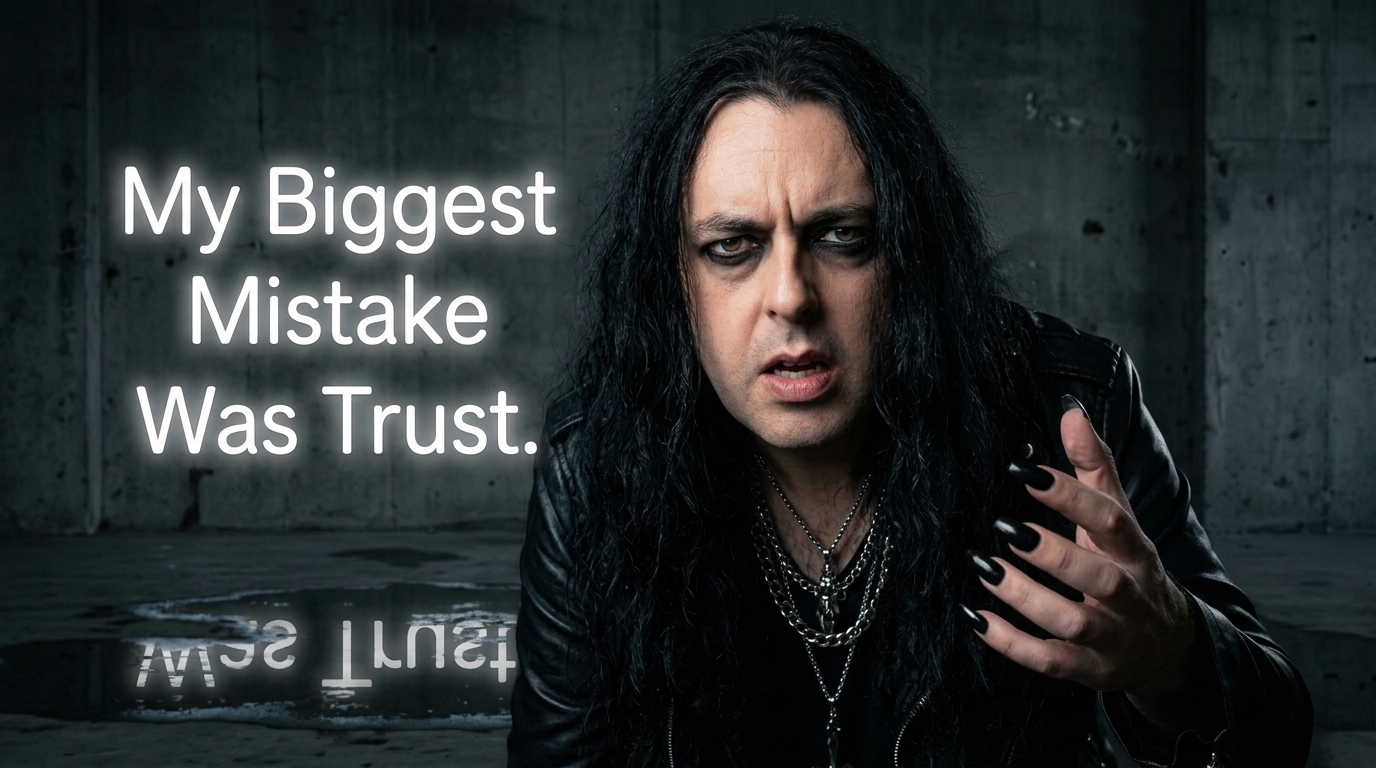
How We Stand Up After the Blow
The dust has settled, the shock has worn off, and now you’re standing in the middle of the wreckage of what you thought was a solid alliance. Whether you were betrayed by a friend after helping them get back on their feet or you’re reeling from a betrayal by a coworker you supported while they climbed over your back, the aftermath feels like a heavy, suffocating fog. But here’s the cold, hard truth: how we stand up after the blow defines us more than the blow itself. This isn’t about “getting back to normal” or becoming that soft, naive version of yourself again. That person is dead. Good riddance. Recovery in the Venomous Sin playbook isn’t about softening—it’s about becoming clearer, sharper, and strategically selective without losing the core of who you are. You aren’t rebuilding a broken vase; you’re forging a blade. 🤘⚔️🤘
The first step in any grounded recovery path is to tell the truth plainly. Stop the “maybe they didn’t mean it” or “they were just going through a hard time” bullshit. That’s just your brain trying to avoid the sting of being normiefucked. Name what happened without romanticizing the pain or minimizing the malice. If they leeled off your energy and then spat on you, call it what it is: a parasitic extraction. Using clear, raw language breaks the trauma loops and kills the false hope that keeps you tethered to their ghost. When you stop sugarcoating the betrayal, you stop giving it power to haunt you. You aren’t a victim of a “misunderstanding”; you were the target of a dildoprophet who valued their ego over your loyalty. 🖕💀🤘
Now, you need to reclaim your value from the outcome. Just because your kindness landed in the hands of a filtercunt or a spineless social media prostitute doesn’t mean your kindness was a mistake. Their betrayal does not make your loyalty foolish; it simply makes their character visible. What you gave—your time, your trust, your “fuck-you-sauce” intensity—still says something damn good about you. It proves you have resources worth stealing. The fact that they chose to be a content-parasite doesn’t devalue the gold you offered; it just proves they have a lead soul. Don’t let a thief convince you that your treasure is trash just because they didn’t know how to keep it. 🤘🖤🔥
Finally, we rebuild the perimeter with surgical precision. This is where you move from open access to earned access. People love to whine that “you’ve changed” or “you’re so bitter now” when you stop letting them walk all over you. Ignore them. Those are usually the ones who benefited from your lack of boundaries. Teach yourself—and everyone else—that boundaries are not bitterness; they are structure. They are the cage that keeps the predators out so the fire inside can actually burn for the right reasons. You aren’t closing your heart; you’re just installing a high-tech security system with a “no assholes allowed” policy. If they want a seat at your table, they better bring more than a silver tongue and a hidden agenda. Otherwise, they can go join the rest of the comment-corpses in the rearview mirror. 🤘🌚🖕
Xavi always says that being “unfuckwithable” isn’t about never getting hit—it’s about making sure that when you do get hit, you’re the one who decides what the scars look like. He didn’t let that backstabbing “brother” turn him into a hermit; he just narrowed the circle until only the real ones remained. Now, the circle is tight, the music is louder, and the vision is crystal fucking clear. That’s how a Sinner stands up. 🤘🔥🤘

Practical Ways to Trust Again Without Becoming Naïve
First off, stop feeding the normiefucked narrative that “everyone is good at heart.” The brutal truth is that people wear masks tighter than a anal‑schedule on a corporate meeting. You’ve been ripped clean by a dildoprophet or a filtercunt, and that’s a scar you can wear like a badge, not a reason to roll over for the next leech. The first rule in the how to trust again without being naive playbook is to observe, don’t project. Let actions speak louder than the sweet‑talk they fling at you. A single grand gesture is a fireworks show; a pattern of small, consistent deeds is a slow‑burning furnace.
When you’re tempted to hand over loyalty on a half‑cooked promise, hit the brakes. Paced investment means you only give what’s been earned, not what you hope will be earned. Think of it as a metal riff: you don’t unleash the full chorus until the tempo has settled and the crowd is still standing. This keeps you from getting content‑parasite‑fed while the other party still enjoys the free buffet.
- Keep a trust calibration sheet – jot down dates, actions, and outcomes. If the pattern drifts, the trust meter drops faster than a bass line in a breakdown.
- Watch for consistency over intensity. A one‑night “deep connection” can feel like a volcanic eruption, but if the next day the person ghosted you, you’ve just been fooled by a flash‑bang, not a true bond.
- Demand reciprocity before deeper investment. If you’re the only one paying the emotional rent, you’re basically financing a comment‑corpse that never contributes to the conversation.
- Separate empathy from access. You can feel the pain of a broken soul without handing them the keys to your castle. Compassion isn’t a free pass to self‑abandonment.
Consistency across time reveals more about a person than any climactic confession. A friend who shows up for you when the lights go out, not just when the party’s loud, is a genuine ally. A coworker who only lifts you when there’s a promotion on the horizon? That’s a cringelectual playing office politics with your trust.
Remember, the goal isn’t to become a paranoid hermit. It’s to install a high‑tech security system around your heart—one that lets in the worthy and locks out the rest with an anal‑policy that says “no assholes allowed.” When someone proves they can’t respect that boundary, they get the “go join the comment‑corpses in the rearview mirror” treatment. 🤘⚔️🤘
In the end, rebuilding trust is like tuning a guitar: you tighten the strings, test the tone, and only then do you strike the chord. If you keep the dial set to “naïve,” you’ll keep playing the same busted riff. Calibrate, watch, demand reciprocity, and let the true Sinners hear the roar of a blade forged from betrayal. 🤘🔥🤘

The Hidden Gift in Betrayal Nobody Wants but Many Need
Here’s the crucifuck truth nobody wants to hear: betrayal is the universe’s most brutal teacher, and it doesn’t give a shit about your feelings while it’s schooling you. When someone you trusted decides to emotional betrayal recovery becomes your crash course in human nature, and the lesson plan is written in your own blood. But here’s what separates the survivors from the comment-corpses – the ability to extract information from the pain instead of just drowning in it.
Betrayal clarifies character faster than a spotlight on a stage. When pressure hits, people either stand tall or crumble into the dildoprophets they always were underneath. That coworker who smiled while you covered their shifts? The friend who vanished when you needed them most? They didn’t suddenly become assholes – they just stopped pretending they weren’t. Betrayal by coworker you supported or friends you lifted up reveals the architecture of their character, and it’s painful data, but useful fucking data.
The real gift – and I use that word like swallowing glass – is discovering where your boundaries were too generous. Sometimes the betrayal shows exactly where access exceeded evidence. You gave them keys to rooms they never earned entry to, and now you have a map for future self-respect. It’s like realizing you’ve been normiefucked by your own kindness, thinking everyone deserves the benefit of the doubt when some people deserve nothing but the door.
But here’s what remains unbroken in you after the smoke clears: your capacity for loyalty, discernment, and recovery. Even after disappointment carves you hollow, that core survives. That survival becomes the foundation of standing back up, not as the same person who got burned, but as someone who knows the difference between a genuine connection and a social media prostitute selling you emotional validation for access to your resources.
The betrayal doesn’t make you grateful for the harm – fuck that hashtag-haloed bullshit. But it does make you smarter, harder, and infinitely more selective about who gets close enough to matter. And that’s not cynicism – that’s evolution. 🤘💀🤘
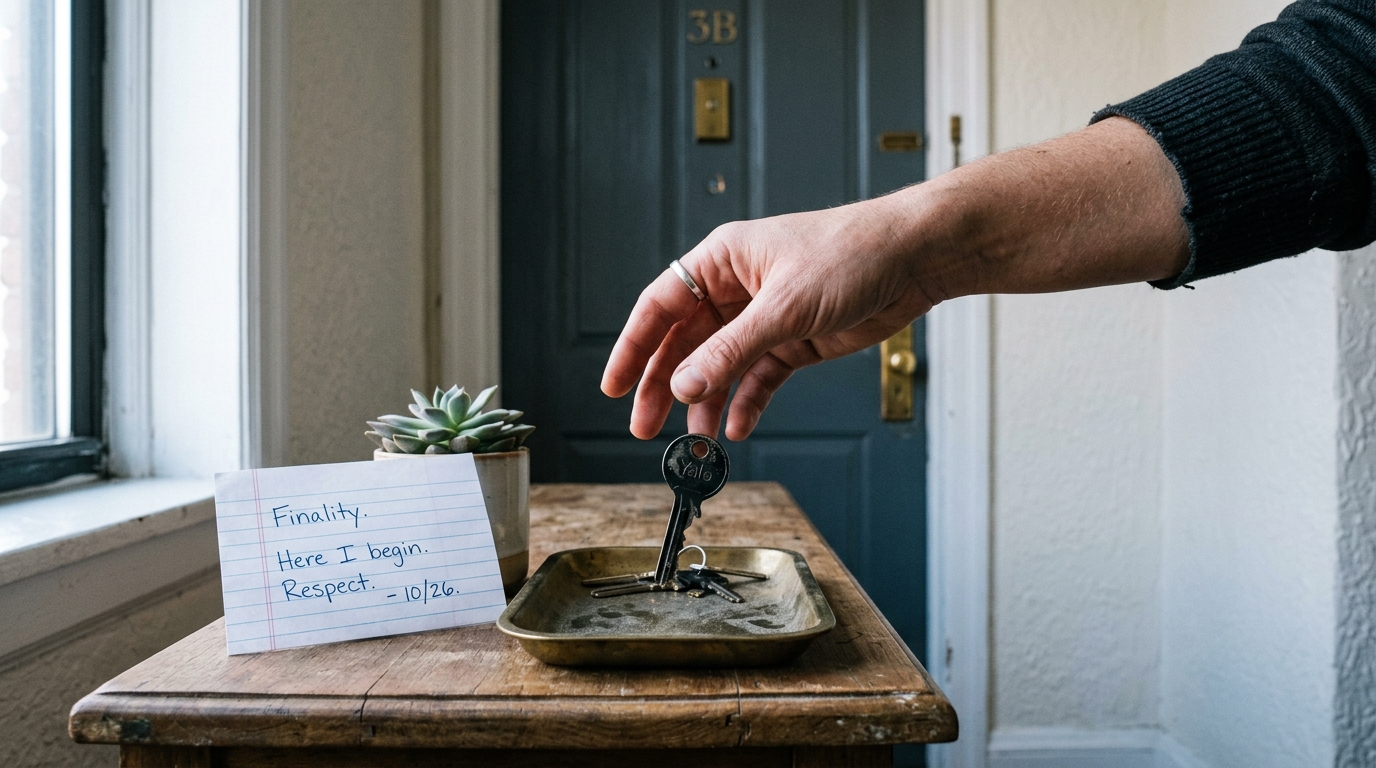
They Refunded the Bond, but They Do Not Define Your Worth
You gave them your time, your energy, maybe even your fuck-you-sauce when others wouldn’t. You covered their shifts, listened to their breakdowns, handed them opportunities like they were sacred objects—and then they turned around and sold you out for pocket change. The real kicker? It wasn’t even about the money or the favor. It was about the anal-access you gave them. They didn’t just take; they took because they could. And now you’re standing there, gripping the receipt of their refunded loyalty like it’s a knife in your ribs, wondering how the hell you missed the signs someone was using you emotionally.
The truth is, you didn’t miss them. You ignored them. Because that’s what decent people do—we assume others operate on the same frequency. We confuse our own capacity for depth with their ability to not be content-parasites. And when the betrayal lands, it doesn’t just sting—it crucifucks you, because it touches the one thing you didn’t guard: the part of you that still believed in fairness. That’s why betrayal by a friend after helping them feels like getting gut-punched by someone you’d have taken a bullet for. It’s not the wound that destroys you; it’s the realization that they were aiming before you even knew there was a gun.
Here’s what they’ll never tell you in those hashtaglobotomized self-help posts: the grief makes sense. The rage makes sense. The way you replay conversations at 3 AM, searching for the moment you became the idiot in this story? That makes sense too. You’re not overreacting—you’re recalibrating. Your system is screaming because it just learned a hard truth: some people don’t betray you despite your kindness. They betray you because of it. Your openness was the weakness they exploited, and now you’re left holding the bill for their emotional tab.
But this isn’t where you become the villain in your own life. This is where you stop confusing access with worth. They refunded the bond, but they didn’t touch the principal—your ability to give a damn, to trust, to love hard when it’s earned. The lesson isn’t to build walls; it’s to install better fucking locks. You don’t stop letting people in. You just stop handing out the master key to every stray who bats their lashes and calls it connection. Emotional betrayal recovery isn’t about growing a heart of stone; it’s about learning the difference between a handshake and a noose.
So here’s your permission slip: be pissed. Grieve the death of what you thought you had. But don’t you dare let their smallness rewrite your story. You’re not the fool who trusted—you’re the one who survived the lesson. And survival? That’s the first draft of something sharper. The next time someone reaches for your time, your energy, your soul, you’ll recognize the difference between a hand asking for help and a fist closing around your throat. And that, sinners, is how you turn betrayal by coworker you supported into the last time they ever get the chance. 🤘🔥🤘
You walk away whole. Not because they didn’t leave a mark—but because the mark is now a map. And you? You’re the one holding the compass.
https://venomoussin.com/
https://shop.venomoussin.com
https://www.youtube.com/@venemoussin
https://open.spotify.com/artist/4SQGhSZheg3UAlEBvKbu0y?si=qKMljt6rT1WL0_KTBvMyaQ